

A spoiler-free review of an adaptation of “Mindhunter”
Everyone has been obsessed with death at one point or another in their life. Whether it was a flash obsession with war crimes as a teen or an ongoing true crime binge. Some find solace in the internet’s dark corners, delving into unsolved mysteries, while others explore the morbid curiosity that death and crime can awaken within us. But something that fascinates us just as much as death, is the cause of death.
When the cause of death is human motive, it shocks us. How could someone in their right mind do this? And that’s the thing, most crimes are done in moments of passion, a momentary lapse of judgment. That was the established norm by policing agencies until the late 19th century when serial killers became acknowledged by authorities in the US. With a surge in what seemed motiveless crimes, no greed, jealousy, or revenge to be gained from the victim’s death, the solution rate for murders began to plummet. Police had no idea of what was going on and nobody was brave enough to ask until John E. Douglas did. Without further ado, let’s not leave things hanging.
The first “Mindhunter”:

The book Mindhunter: Inside the FBI’s Elite Serial Crime Unit is an autobiographical account of former FBI agent John E. Douglas. He takes his readers on a journey through his time at the FBI (in the ’70s) interviewing multiple killers (what later became known as serial killers) and developing methodologies to help catch these multiple killers. He starts with his early life story and how his experiences developed him into the right person for the right job at the FBI. You experience through his eyes what it means to hunt down serial killers.
“Mindhunter” is a journey into the minds of serial killers, and it’s not in the same way as your run-of-the-mill true crime tale. It’s written by John E. Douglas, a former FBI agent, and Mark Olshaker, and it’s got this unique blend of personal experiences and expert insights that makes it stand out.
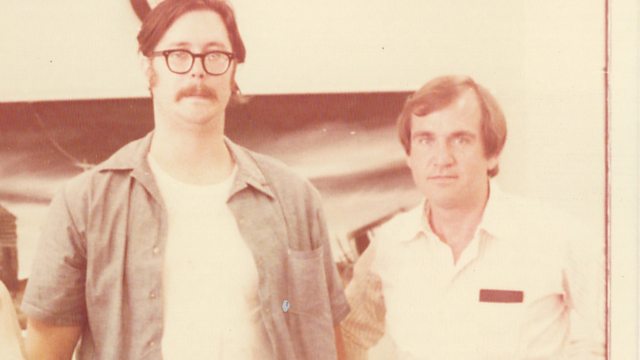
Douglas spills the beans on some of the wildest cases he worked on during his time at the FBI. The book doesn’t shy away from the gritty details of these crimes, it goes deeper. What makes “Mindhunter” cool is the way it dissects the psychology and behavior of these criminals. The FBI tries to figure out why serial killers do what they do, what makes them tick, and how they think.
As you flip through the pages, you get to ride shotgun with Douglas as he navigates the twisted minds of these killers. It’s like you’re right there with him during those intense interviews and mind games. The encounters with infamous criminals like Edmund Kemper, Charles Manson, and John Wayne Gacy are both eye-opening and spine-chilling. You’ll be scratching your head trying to figure out how these folks think.
Evolution of Criminal Profiling:
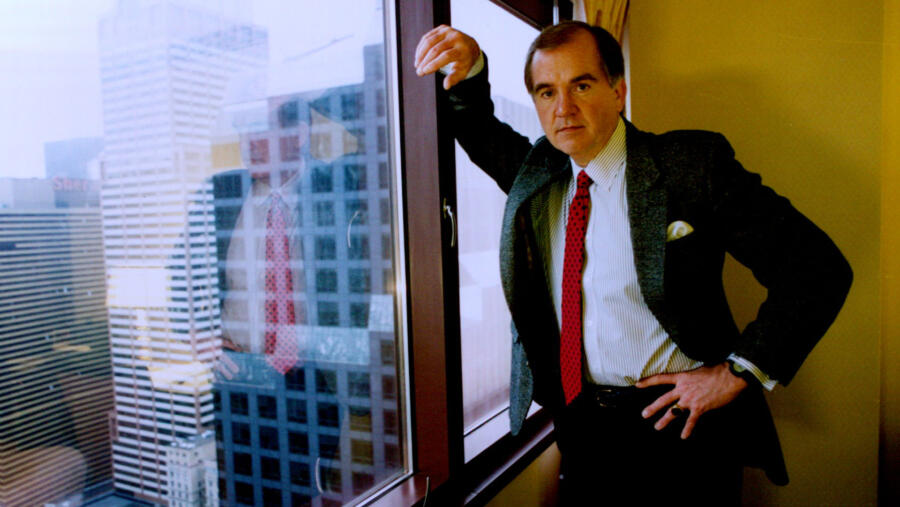
But wait, there’s more! “Mindhunter” isn’t just about crime stories and psychoanalysis and that mumbo jumbo. It’s also a deep dive into how criminal profiling evolved within law enforcement. Douglas and his FBI buddies were the trailblazers here. They used psychology to create profiles of unknown criminals, which totally changed the game for solving cases. This wasn’t just catching crooks; it was like reading their minds. Their innovative approach helped solve some of America’s craziest cases. They are diving into the psyche of an actual person, attempting to understand and anticipate their actions.
In Cliff-clusion:
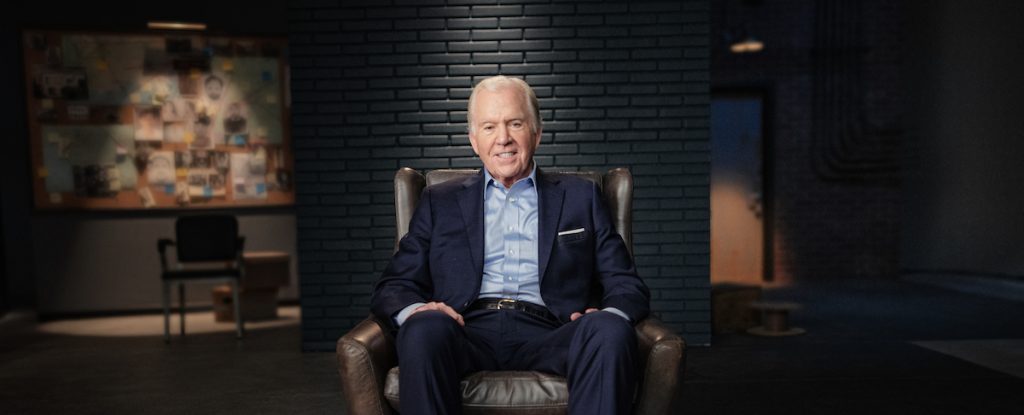
Here’s the deal – “Mindhunter” isn’t your bedtime story. It dishes out the gruesome details of some seriously messed-up stuff, and you might lose some sleep. But that’s what makes it so darn fascinating. This book isn’t just a page-turner; it’s a mind-bender (get it?). It reads like a actual crime investigation, because it it is. The cases are real, the killers are real and the stakes were very real at the time.
So, if you’re into the whole criminal mind thing or just looking for a wild ride through the world of law enforcement, “Mindhunter” is a must-read. It combines the thrill of a true crime thriller with some heavy-duty psychology. John E. Douglas and Mark Olshaker teamed up to give you a front-row seat into the minds of the worst criminals out there, and it’s a ride you won’t forget.
Into the Netflix series:
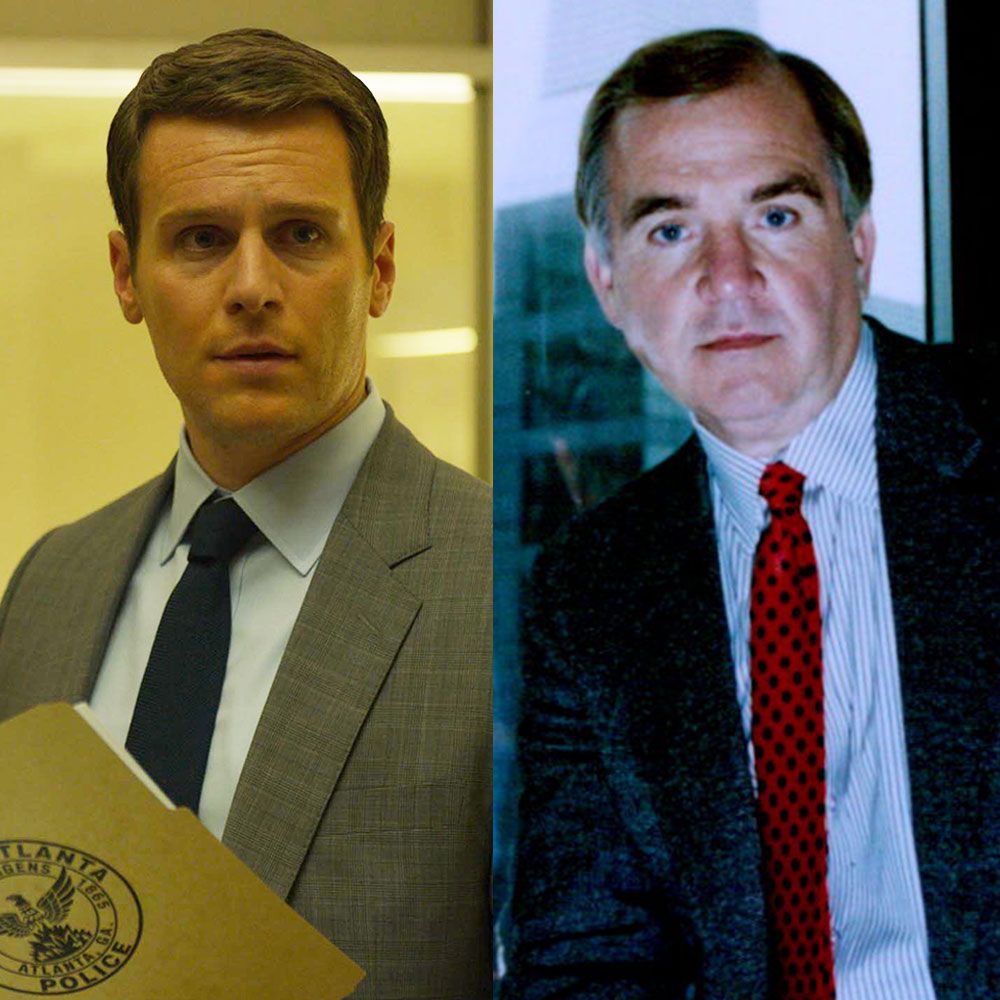
Wow you’re still here, I thought most of you would have left by now to buy the book. Hmm what’s that you want to know more about the Netflix series? Well the first thing you will want to know about the series is that it is based on the book. It makes up characters based on real people. Except for the serial killers, those are very much real.
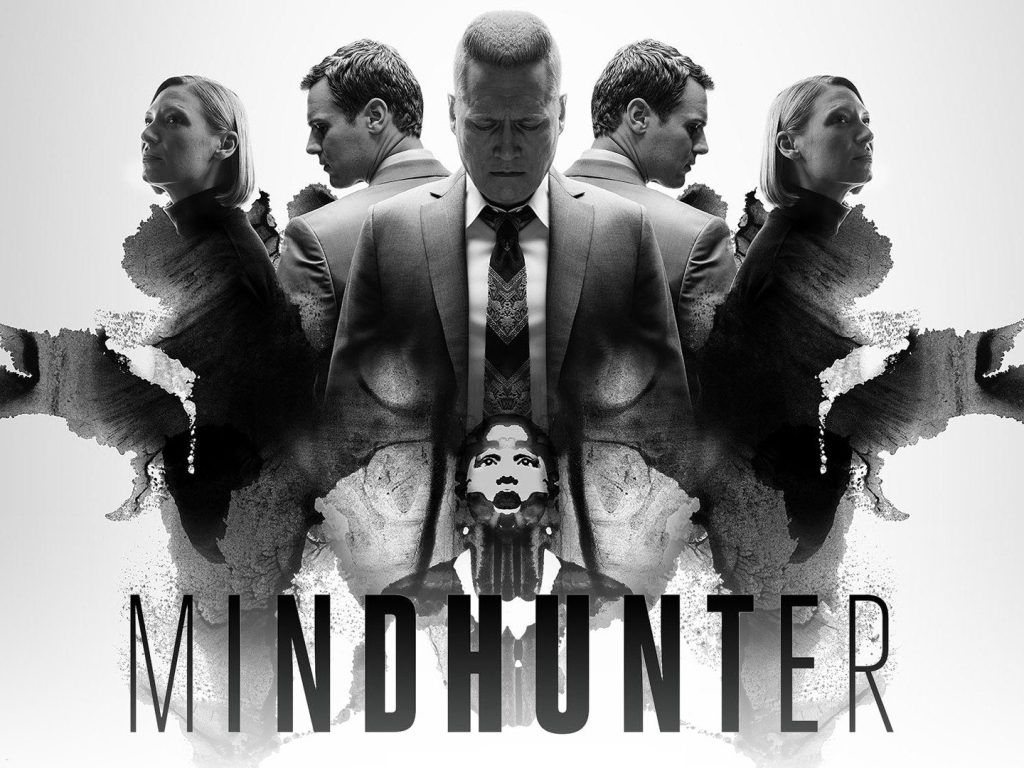
“Mindhunter” takes the twisted serial killers and brings them to life (because some of them are serving for life). Created by Joe Penhall and inspired by the book “Mindhunter: Inside the FBI’s Elite Serial Crime Unit” by John E. Douglas and Mark Olshaker. But you already knew that, what you want to know is if the aries does the book justice, right? Let me tell ya this series is just as gripping to watch as the book is to read.
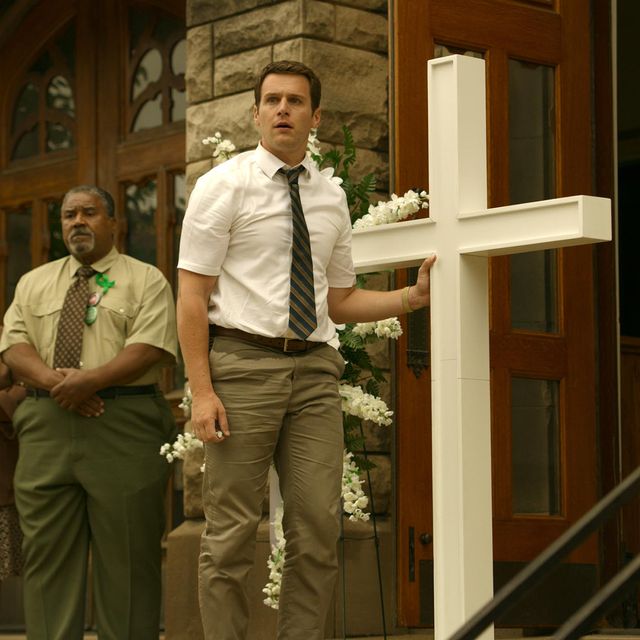
Picture this: it’s the late 1970s, early 1980s, and the FBI is just starting to wrap its head around the idea of criminal psychology. In walks FBI agents Holden Ford (played by Jonathan Groff), Family guy Bill Tench (Holt McCallany), and lesbian psychologist Wendy Carr (Anna Torv). They form the Behavioral Science Unit (BSU), trying to understand the minds of serial killers by talking to the monsters themselves.

Dark and intense? You bet:
If you’re looking for a cozy, feel-good show, “Mindhunter” ain’t it. This series dives headfirst into the darkness of criminal psychology, offering an unapologetic exploration of the creepy world of serial killers. It doesn’t shy away from the gritty details of real crimes, leaving you with a constant sense of unease.
What makes “Mindhunter” stand out is its commitment to real-life accuracy (in other words, the book). Borrowing heavily from actual events, cases, and real psychopaths from the annals of criminal history. It doesn’t include all of the cases in the book because of time constraints. It focuses on the pivotal moments that made the BSU what it is today.
Character Development that packs a punch:
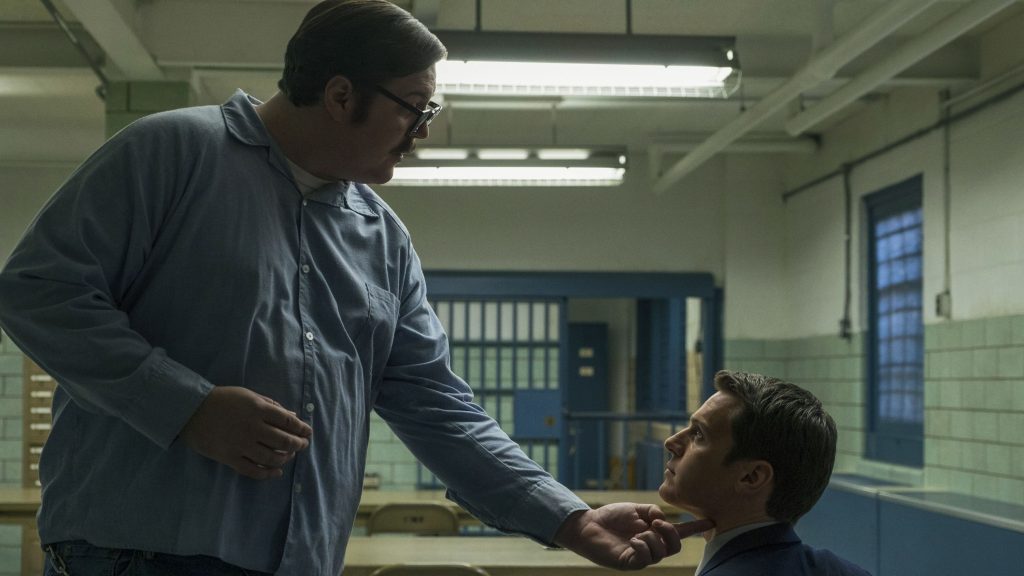
“Mindhunter” excels in character development. You’ll see these characters grow and change right before your eyes. Holden Ford is an idealistic newbie and turns into an obsessed profiler. Bill Tench juggles the horrors of his job with family life in a way that’ll make your heart ache. Wendy Carr brings a unique perspective to the team, with her own share of personal challenges.
The acting in “Mindhunter” is top-notch. Jonathan Groff, Holt McCallany, and Anna Torv deliver performances that’ll knock your socks off. Groff’s portrayal of Ford’s obsession with understanding serial killers is particularly mind-blowing.
The real-life impact of “Mindhunter”:
The series shows us just how influential John E. Douglas and his colleagues were in the world of criminal profiling. It shines a very well lit spotlight on the birth of profiling as a science in law enforcement, demonstrating how it cracked complex cases and put some of America’s worst serial killers behind bars.
The Future of “Mindhunter”:
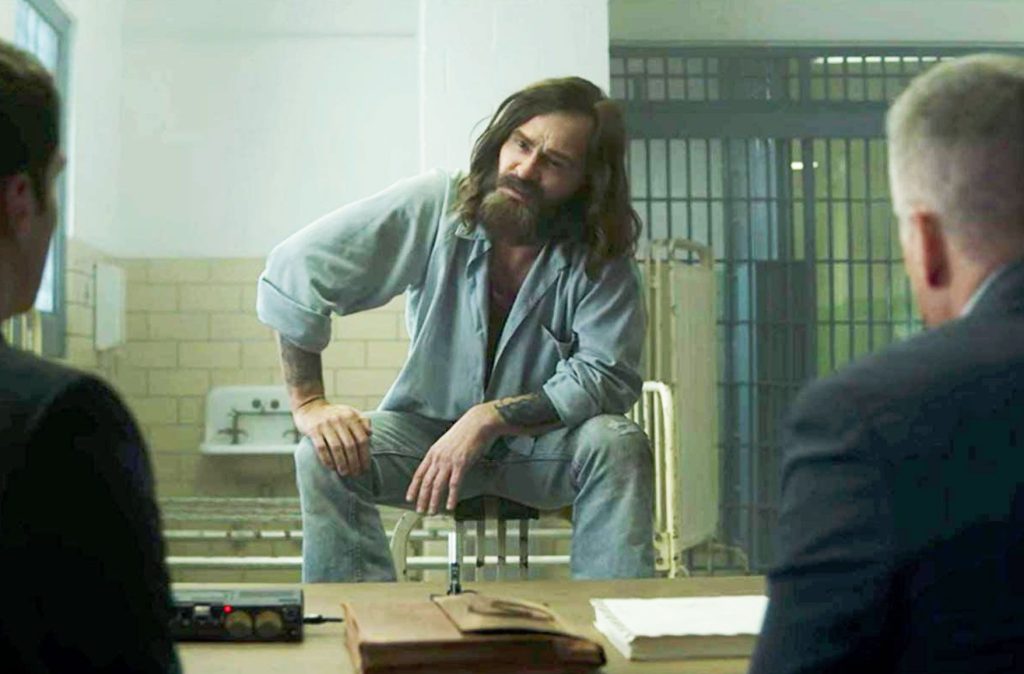
The future of “Mindhunter” was in limbo after the second season ended. It seemed like scheduling conflicts and an exhaustive workload were the main reasons the director decided to end it. The fans still have their hopes up for more serial killer sleuthing.
Was the adaptation good?
The series incorporated all the key aspects that make the book so captivating, the interviews (which were based on recordings of the real deal), the cat-and-mouse dynamic between the killers and the interviewers (the back and forth that could very easily go badly), and the personal anecdotes (they are brought to life on the screen with absolute phenomenal acting and cinematography).
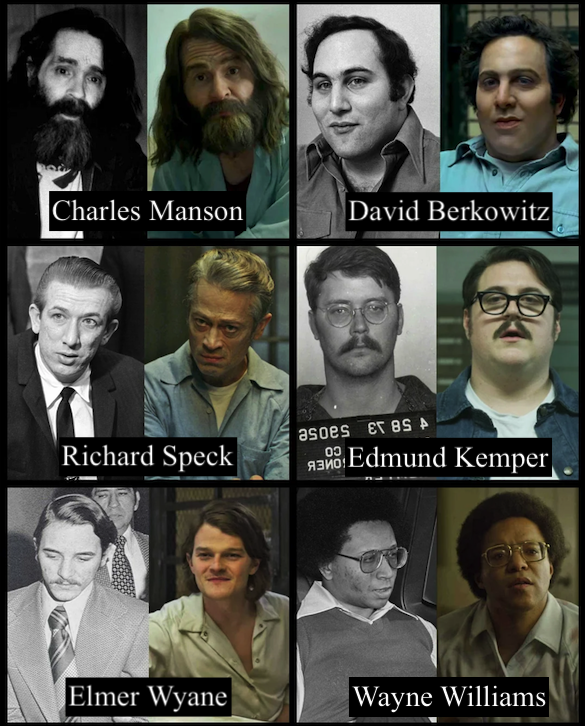
Mindhunter” is set in realism, drawing heavily from real-life events, cases, and interviews conducted by the FBI’s BSU. It recreates the atmosphere of the late 1970s and early 1980s, offering an authentic and immersive experience. The character development in the series is palpable. We see the main characters be shaped by their actions and glean wisdom from their experiences. Viewers get to witness the personal and professional growth of the main characters, particularly Holden Ford, who undergoes a transformation from an idealistic newcomer to a seasoned profiler.
The cast’s performances in “Mindhunter” are a major highlight. Jonathan Groff, Holt McCallany, and Anna Torv deliver outstanding and emotionally charged portrayals of their characters. Groff is lauded for his portrayal of Holden Ford’s obsession with understanding serial killers.
Final Cliff-clussion:
In a world where crime often hides in the shadows, “Mindhunter” emerges as a beacon of insight and revelation. This gripping series shines a light on the evolution of criminal profiling, demonstrating how psychology became a vital tool within the realm of law enforcement. It unflinchingly navigates through the darkest corners of the human psyche, bravely tackling gruesome details and the unsettling behavior of criminals. If that sounds up your alley go ahead and give it a watch.