
If you were raised as a young girl in the 21st century, chances are you had at least some sort of exposure to Disney movies, and more specifically, ones starring a princess. These enchanting tales captivated many through their castles, love stories, and happy endings. Children everywhere dreamt of their own fairy tale, including me. I spent countless days imagining a life that paralleled that of a Disney princess, hoping that an ounce of that magic was possible in real life. However, once I got older, my perception of the enchantment I felt when watching these movies changed.
The Portrayal of Princesses AND Villains
In the past, the princesses in Disney movies were constantly “made whole” once they found a love interest. Many of whom were portrayed as the typical “damsel in distress” until they found a male counterpart. The issues within this trope run deep. They range from the lack of autonomy that some of the beloved princesses were stripped of (think Aurora and Snow White, and how the only ways they woke up from eternal sleep were being kissed), all the way to the young women being subjected to harmful stereotypes, including never-ending housework (think Cinderella and Snow White rarely getting breaks from cleaning).
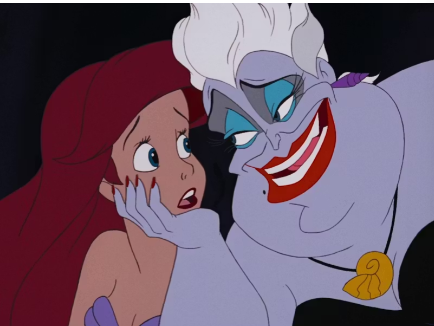
Unfortunately, the issues do not end there. The treatment and portrayal of women who do not fit into these traditional roles also show a noticeable trend. Have you ever noticed how Disney’s female villains are portrayed as non-conventionally attractive and, by default, undesirable? The majority of Disney’s female villains are motivated to commit evil acts based on beauty, potentially due to the fact that Disney finds it impossible for a woman to have motives that run deeper than vanity. Ursula (The Little Mermaid), the Evil Queen (Snow White and the Seven Dwarves), and Lady Tremaine (Cinderella) all have features that conventional beauty standards would deem unattractive. Whether that be body type, unusual physical features, or age, they all differ greatly in comparison to their princess counterparts.
Revisiting Princesses: Ditching the “Damsel in Distress”
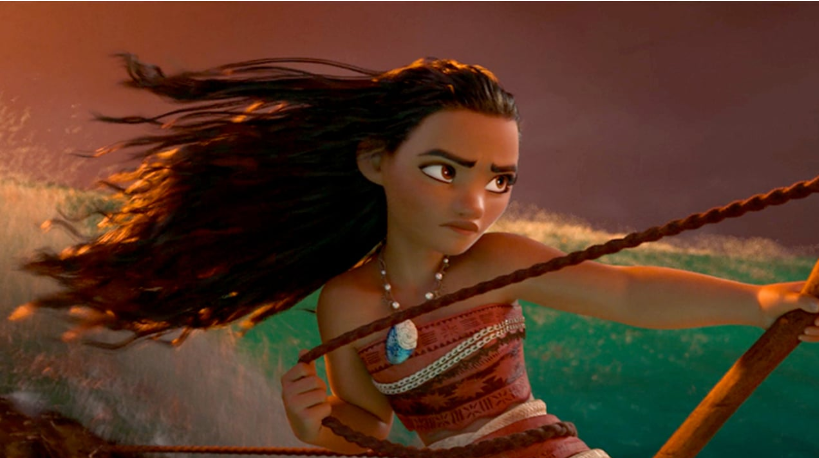
Fortunately, recent portrayals of princesses have changed pretty dramatically in terms of modern ideas of gender and femininity. New storylines are focusing less on romantic interests and instead on themes of family, independence, and coming-of-age storytelling. Moana, Brave, and Frozen are all examples of main female characters holding power without being at the mercy of a man. These stories present a new level of nuance to the stereotypical princess “way of life” and allow for broader representation.
Criticism: Constructive or Not?
Of course, with any piece of media will come criticism. People on the internet love to complain about anything, so it is no surprise that many gave these movies their fair share of critiques. Brave was the first Disney princess movie without a love interest for the protagonist, Merida, and many found ways to twist this narrative. Internet users claimed that she was selfish, rash, and immature. A similar phenomenon occurred with Elsa in Frozen, and many disregarded key aspects of her character because of her personality. It begs the question of whether or not we as a society are truly ready to stray away from the harmful, stereotypical love stories and continue to uplift stories like Frozen and Brave, or if we are too unwilling due to the familiarity of traditional tropes, as well as the patriarchy still holding power over many.
Rewriting the Narrative
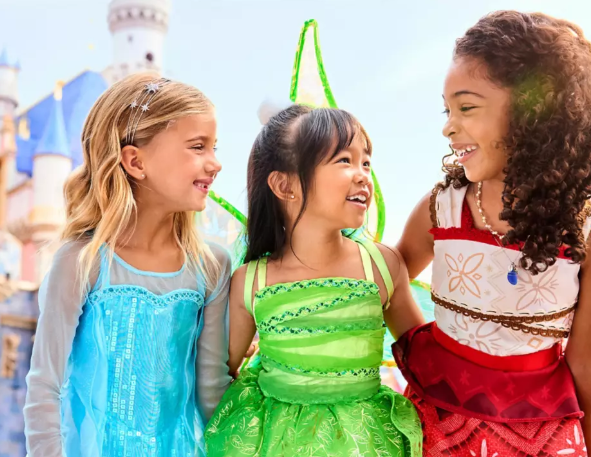
Can we make room for female characters that can defy the gendered norms of Disney? Yes! We need to move forward and continue fighting for diverse representation that uplifts women and does not rely on a male love interest whisking them away from their terrible lives. Children from all backgrounds deserve fairytales that encourage individuality and strength. When it really comes down to it, there will always be people who are unwilling to see the positive in movies like Frozen. However, we can see the impact when children dress up as the characters and continue to sing “Let It Go” over a decade after its release. For generations, happily ever after has come on “his” terms. Upcoming generations deserve stories of their own to dream about.
Leave a Reply