
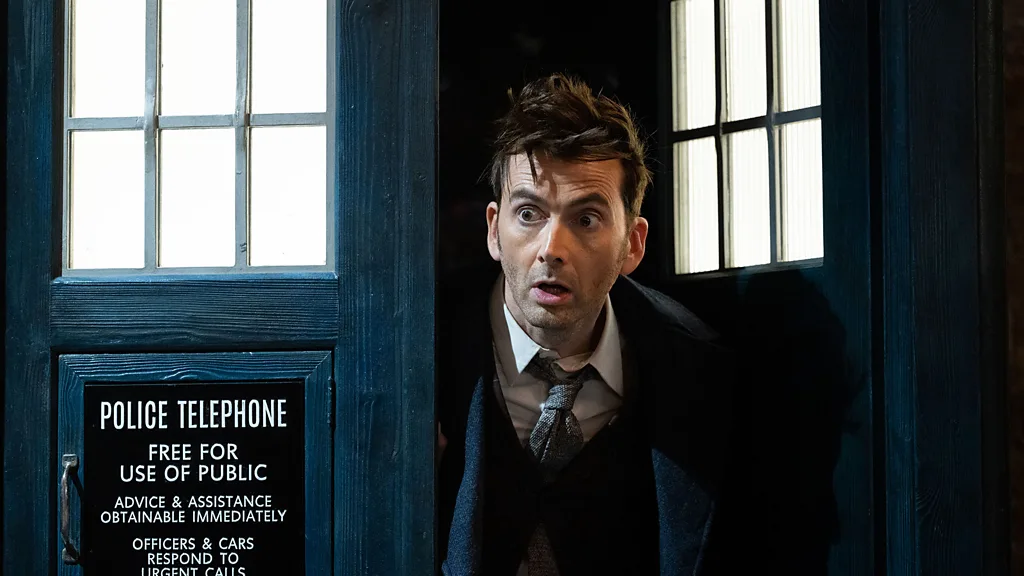
Sci-fi, like any media genre, has its…problems, especially when talking about gender. Gender is a complex topic to write about. Portraying gender in a way that is not only correct but is respectful to the parties involved can be challenging. With sci-fi you have endless possibilities for character creation. I mean, we are talking about the infinite possibilities of space and time. I think whether this species wants to be called with they/them pronouns are the least of our worries. But unfortunately, people end up still having a problem with it.
Doctor Who expands this idea tenfold and deals with gender in many different ways. Having the main character be from a different planet where, instead of dying, they regenerate into a completely new person with new features and personality, yet still is the same person as before. Just the Doctor has such a new and somewhat complex idea of gender that the west doesn’t fully understand or subscribe to. I’ll be going through the era’s of Doctor Who and talk about the differences between how they dealt with gender, both with humans and the Doctor themselves.
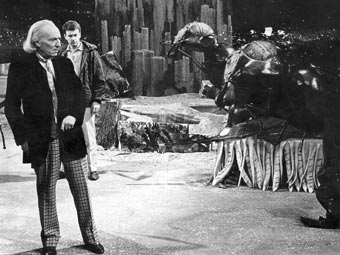
Classical Era (Old Who)
Early seasons of Doctor Who were, let’s say, not the greatest in terms of how they treated their female companions. Doctor Who, especially the Old Who Era (1963-1989), has a “Hero Doctor” and a “Damsel Companion” dynamic. The companions “job” was to ask “what’s going on, Doctor!” so the Doctor can have his moment. The female companions would be dressed and written in a way that was demeaning to women. No matter the scenario, they would be dressed in a short skirt and heels. Or in some cases, in a leotard with a low neck line like Leela. Need I remind you that this is a family show.
The directors were asked why they would dress the women in this way. They said that it was “for the dads watching.” Which I find insane. You are making a show that is entertaining (and informative) for the whole family, and your response to someone asking why the women are dressed inappropriately is that? WHAT? Isn’t this a crazy statement to say?
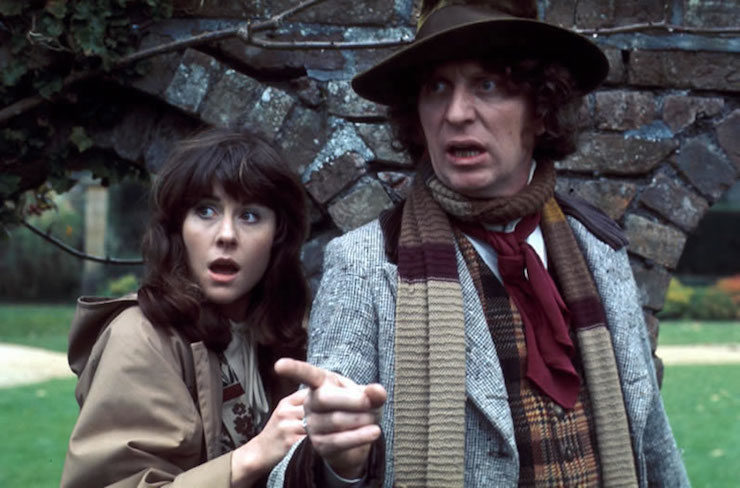
Sara Jane Smith was the first one to break this cycle. She would wear less revealing clothing and be more of a central role for the show. Sara Jane was a journalist, making her character more involved in the story rather than being a damsel. Sara Jane Smith even reappeared in the Revival of Doctor Who in the Early 2000s.
Revival Era (Nu Who)
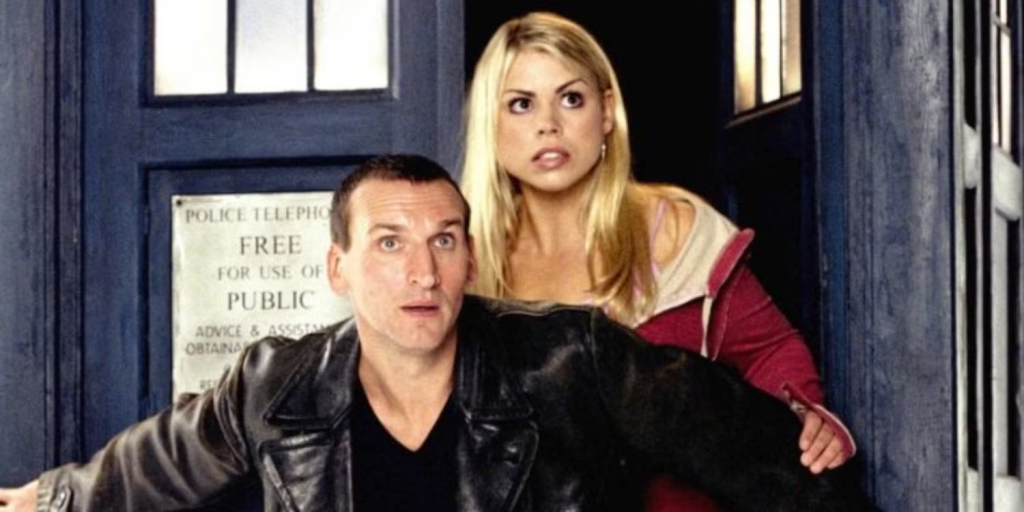
Russell T. Davies
In the early 2000’s, Doctor Who got a new style. The show had a 16 year hiatus and in 2004 BBC rebooted the show. Christopher Eccleston was the new face of the Doctor along with Billy Piper as the main companion. But this was slightly different from the Old Who. The dynamics of the doctor and companion began to change. The companion, Rose Tyler, was a 19-year old working class girl, a very relatable character to the main audience of the show. Rose dressed in comfortable pants, a zip-up jacket, and natural looking makeup. The only time they sexualized her was when she was not in control of herself (Season 2, Episode 1: New Earth) or when other side characters would sexualize her (mostly Captain Jack in Season 1, Episode 9: The Empty Child).
Companions from Davies season where written in a similar manner. Martha is a smart and go-getting woman who ends up being a central part of U.N.I.T, a task force that helps the Doctor when things get too big for one man to control. Donna, my personal favorite, never let anyone disrespect her or others, she helped the doctor be more empathetic and stopped him many times when he would go “too far.” The Doctor also would have more lines talking about their gender. In Season 4, Episode 2: The Fires of Pompeii, The Doctor would make a comment saying “it’s just us girls.” The Doctor would make small comments just like this one that made fans wonder about the Doctor’s gender.
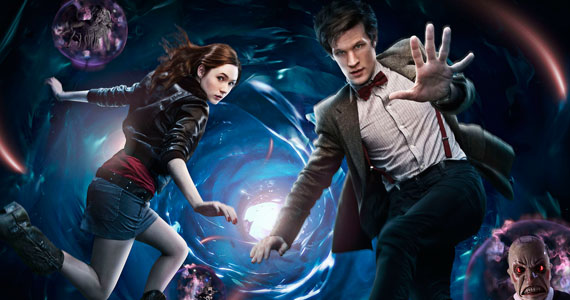
Steven Moffat
One reason Doctor Who has run for so long is because not only do they switch actors for the Doctors, but also switch writers. In 2010, Steven Moffat was announced to be the writer for the next few seasons. Steven Moffat’s way of writing, specifically female characters, has gotten a lot of backlash in the media. Many fans of Doctor Who and BBC’s Serlock call his writing misogynistic as well as calling him a misogynist.
In Season 5, Episode 1: The Eleventh Hour, we are introduced to a young child named Amy Pond. For the first few minutes of the show we are seeing the Doctor through young Amy’s eyes. In awe of but also confused by this weird man. How he acts, what he eats, the funny words he says. It’s all very playful. Later in the episode, we are introduced to Amy Pond grown up. She is in a short skirt and tights and our first look of her is a pan from her feet to her head. This makes her body the focal point of the shot, not herself or her character. This way of filming sexualizes her.

Moffat never understood why people would say he was misogynistic. Moffat has the idea that because a woman is sexy, strong, and powerful, that meant that he was lifting up women. We see this from the very beginning of Moffat’s season with adult Amy’s introduction to the audience. There are many other female characters that Moffat does this to. River Song is a fun and mysterious character. Rivers main personality trait is flirting with the Doctor. I’m all for sex-positive women, just not when it’s her only personality trait. She creates a love interest for the Doctor that is not Amy.
Matt Smith’s seasons of Doctor Who were the most loved seasons of the show. But with popularity comes criticism. I would like to hear more perspectives of this, what are your thoughts on gender in Doctor Who?
Gender in Doctor Who
If you couldn’t tell already, Doctor Who is very dear to me, it was one of the first shows I remember watching with my brother. We were able to connect in a way that we hadn’t before and I adored that. But even with this love for this goofy show, I can admit that it has its faults, especially with how it handles gender and sexuality.


Leave a Reply