Author: agriffith28

  • Sinister with Style: The Evolution of Disney’s Queer-Coded Villains

    Sinister with Style: The Evolution of Disney’s Queer-Coded Villains

    Queerness in History

    Travelling back almost one hundred years, we begin with characters that include LGBTQ+ subtext, or in other words, are queer-coded. Explicit queerness was unable to take place without repercussions, so Disney famously curated the “queer-coded villain.” Before and throughout this, movies made in the United States had to adhere to the Hays Code. The Hays Code is a set of guidelines that writers followed to keep films from being “unacceptable” from 1934 until 1968. This specifically included those that included “sexual perversion,” which homosexuality fell under. Alas, we come upon the queer-coded villain. Any form of queerness was not culturally normalized at this point, so movies still took it upon themselves to include queer features in characters, but did so by making them antagonists with no redeeming traits. Let’s dive into some of the most beloved queer villains we know.

    Cheshire Cat, Alice in Wonderland, 1951

    Portraying the anti-villain of the story, the Cheshire Cat is very seductive and alluring, as well as flirtatious in a feminine way, leading many to believe he was one of the earliest characters of the queer-coded villain era.

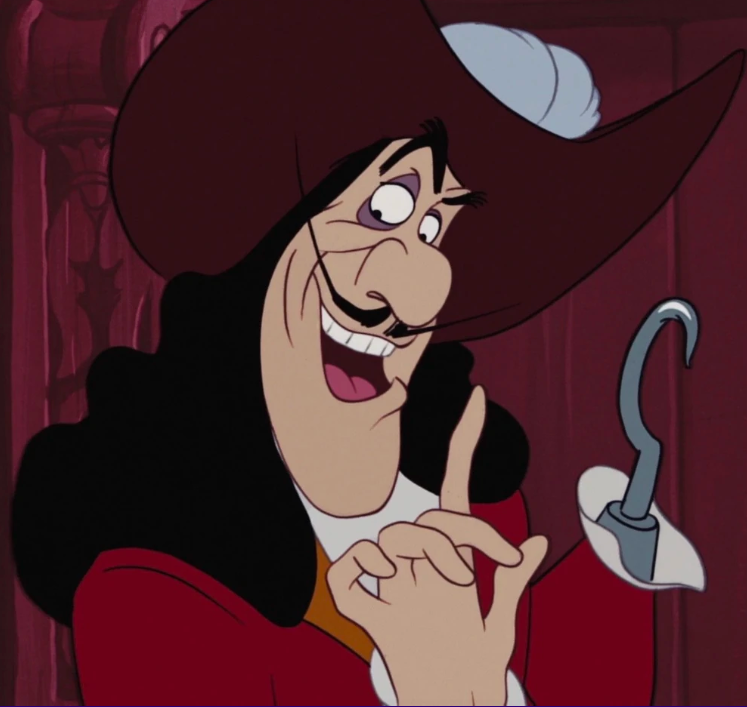
    Captain Hook, Peter Pan, 1953

    Many perceive Captain Hook as a bit effeminate, and he has a very close relationship with his assistant, Mr. Smee. His over-the-top personality also makes him subject to queer-coding speculations.
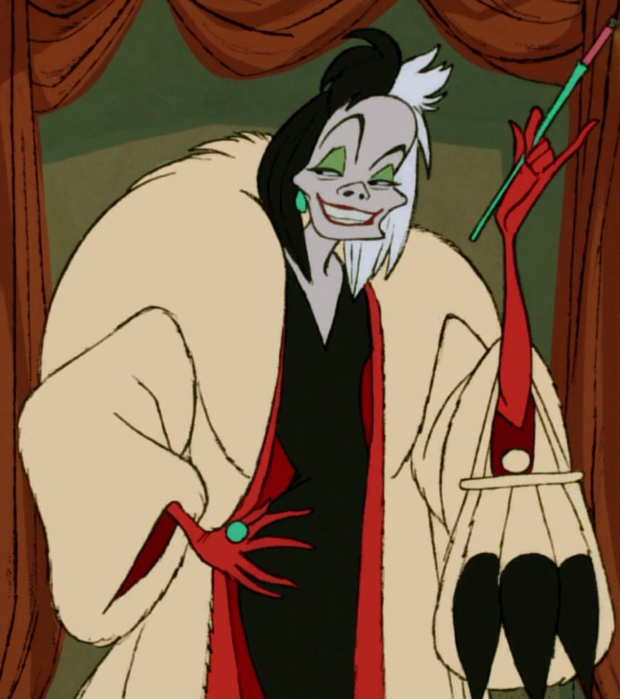
    Cruella De Vil, One Hundred and One Dalmatians, 1961

    While many ignore her character traits due to her overbearing, evil persona, Cruella De Vil depicts the materialistic, theatrical, over-the-top personality that parallels other queer-coding examples. Both her appearance and way of life portray a direct opposite of the norm.

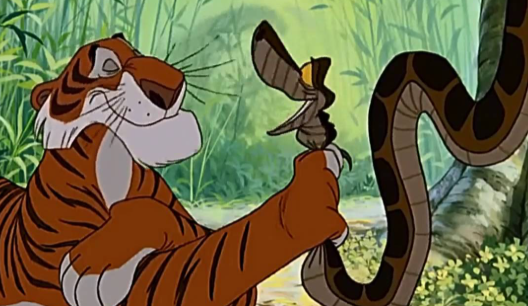
    Shere Khan and Kaa, The Jungle Book, 1967

    The film shows the two villains in this beloved classic together on screen for only a short time, but they make up for it with their interactions. They give a dramatic performance that left many wondering about the true nature of their relationship.
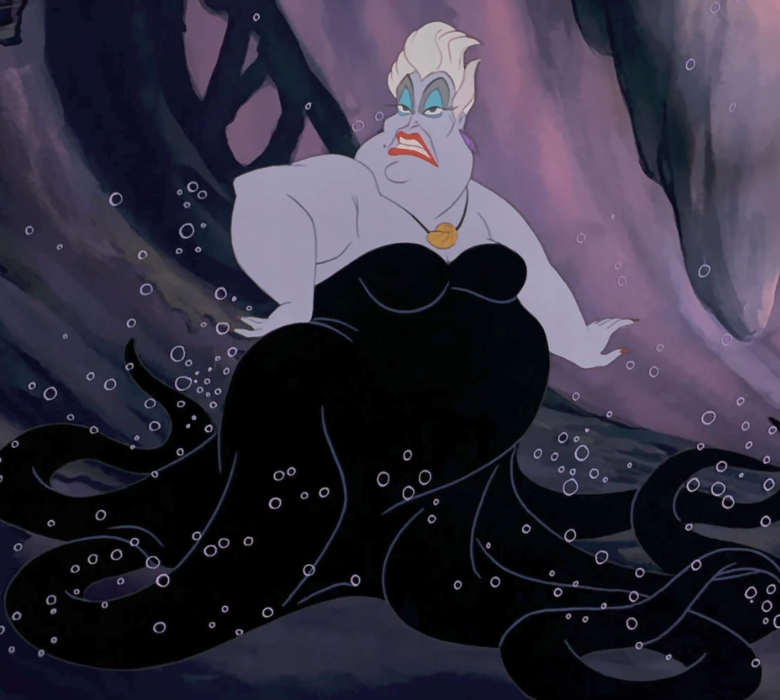
    Ursula, The Little Mermaid, 1989

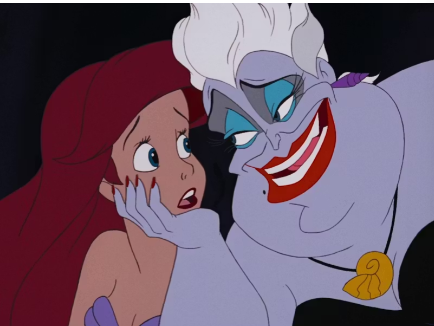
    Inspired by the famous drag queen Divine, Ursula is, without a doubt, one of the pioneers of the queer-coded villain era. The drag queen many people love inspired her bold makeup, voluptuous figure, and confident personality.

    Gaston, Beauty and the Beast, 1991

    Gaston’s sidekick LeFou appears to be head-over-heels for his superior, shown through the lasting stares and loyalty. Gaston’s loud, bold, and rash personality equated him with many gay stereotypes in his time.

    Jafar, Aladdin, 1992

    Accentuated features that look like makeup, as well as being brought to life by openly gay animator Andreas Deja are only some of the many features that lead viewers to place Jafar in the queer-coded villains arc.

    Scar, The Lion King, 1994

    Like Jafar, Scar was also animated by the openly gay Andreas Deja, leading some to believe he was purposefully queer-coded. He directly opposes his brother and protagonist Mufasa, so audiences do not forget his skinny, sultry, and conniving demeanor. Some have even claimed his ostracization from society was due to his potential queerness.

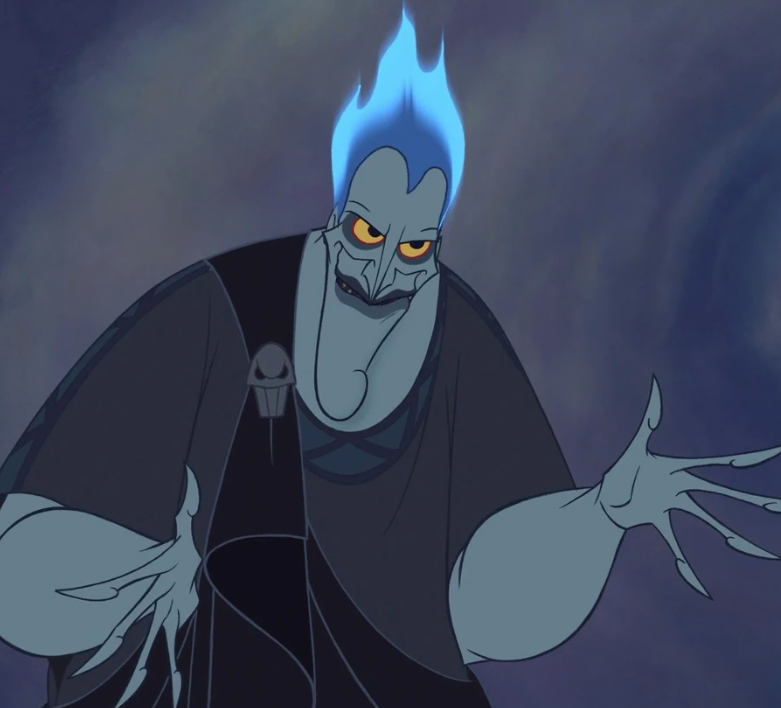
    Hades, Hercules, 1997

    Hades is one of the most outwardly queer villains, as he refers to Hercules as “babe,” and uses many “feminine” terms of endearment in his speech (including sugar, sweetheart, and darling). He even falls into the stereotypical “gay best friend” trope with Meg when discussing Hercules with her.

    Dr. Facilier, The Princess and the Frog, 2009

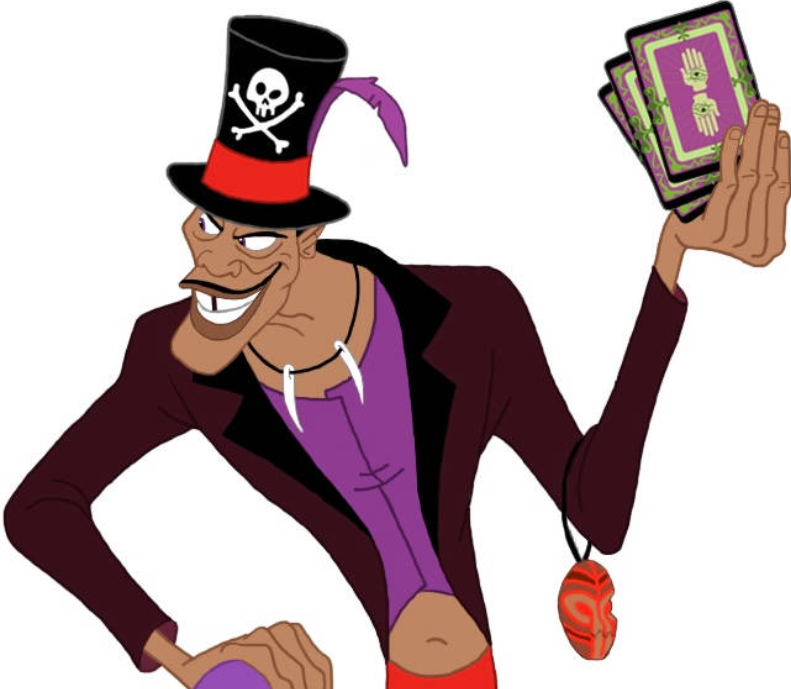
    Between the not-so-subtle lookover he gives Naveen when they first meet and his exaggerated features, it is not very far-fetched to say that Dr. Facilier was one of the latest portrayals of a queer-coded villain. Not to mention his fierce purple crop top.
  • Lights, Culture, Action: Kid’s Movies that Celebrate Cultural Diversity

    Lights, Culture, Action: Kid’s Movies that Celebrate Cultural Diversity

    Children’s movies allow for a place to foster imagination, develop critical thinking skills, and learn about life lessons. However, these are not the only positives of kids’ movies. In recent years, movies have been a way for children to see cultural diversity and authentic representations of all kinds of people. 

    Why Representation Matters

    The importance of representation runs deep. Children deserve genuine, authentic representation and acknowledgement. Kids can always benefit from discovering stories that do not directly reflect their own. These stories teach acceptance and inclusion, and allow for a better understanding of the world around them. There was never room for problematic portrayals of any group, so we must not let those that did slip through the cracks continue to flourish. Instead, we should uplift movies that are made with good intentions and feature ethnic and cultural diversity. Here is a list of some of the best culturally representative children’s and family films of the 21st century.

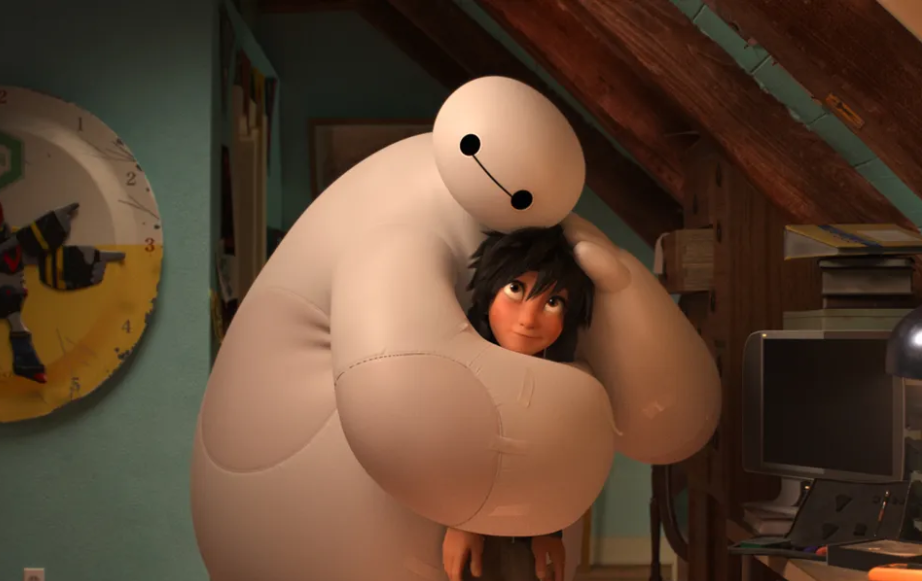
    Big Hero 6 (2014)

    Big Hero 6 is a 2014 film that follows Hiro Hamada, a boy living in San Fransokyo, (the fictional hybrid of San Francisco and Tokyo). Elements of both cities are present, with many Japanese features being highlighted. This film follows themes of found family, overcoming loss, and empathy. 

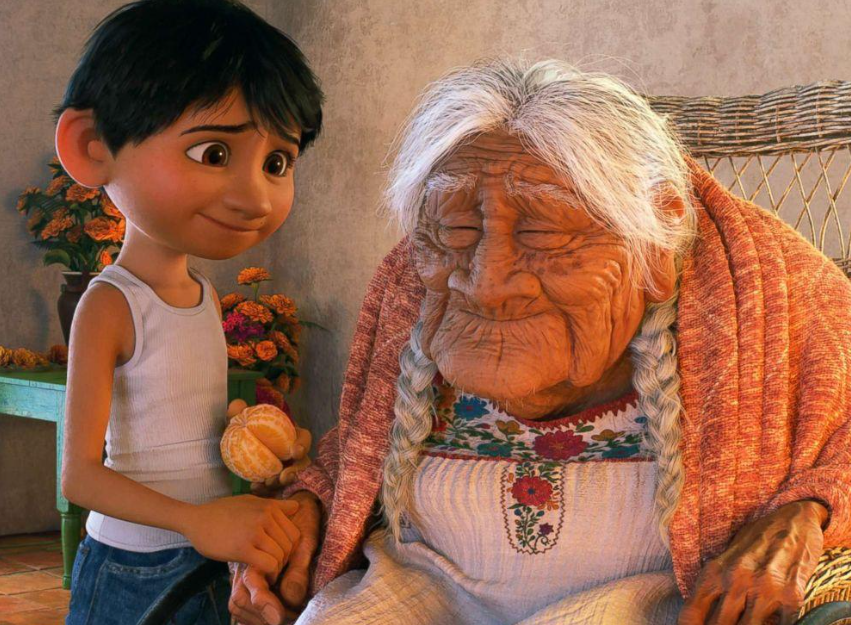
    Coco (2017)

    Coco is a fantasy movie that gives its audience a fun, yet heartwarming portrayal of familial love, relationships, and the importance of tradition and honoring your loved ones. It centers Dia de los Muertos, and is set in Mexico.

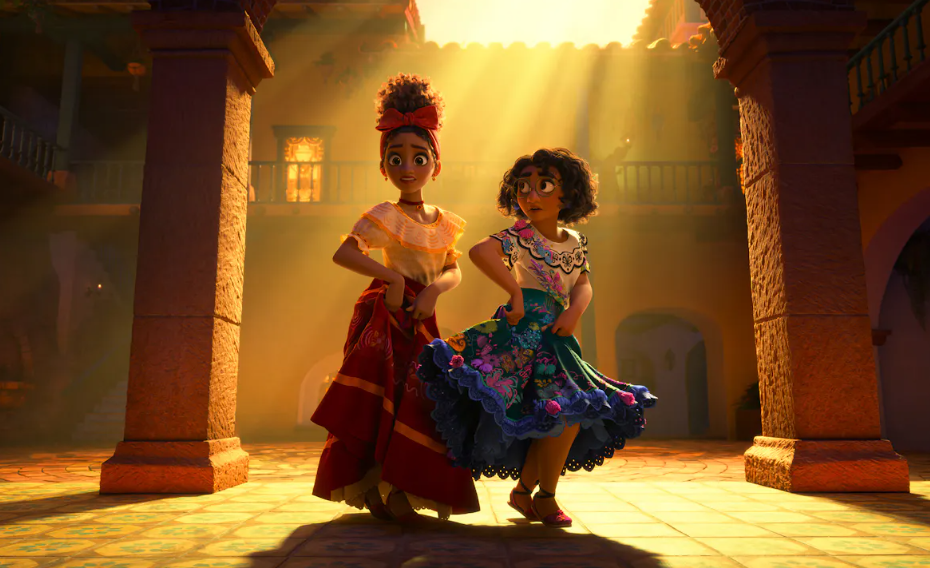
    Encanto (2021)

    This musical Disney movie appeals to children through its bright colors, singing and dancing, and immersive experience. However, it is so much more. Encanto explores themes of Colombian culture through the importance of music, family, and celebration. 

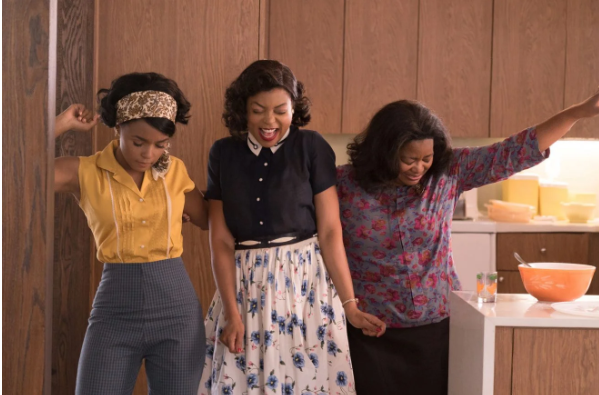
    Hidden Figures (2016)

    This 2016 film gained traction through its telling of three brilliant Black women who work at NASA, detailing their journey through the exploration of the intersectionality between gender and race. Its key themes center around perseverance, education, and black excellence.

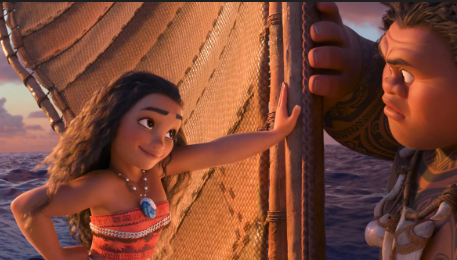
    Moana (2016)

    Moana made a cultural impact through its following of a Polynesian princess. This film depicts the power of determination, following your heart, and identity while also exploring ancestral traditions.

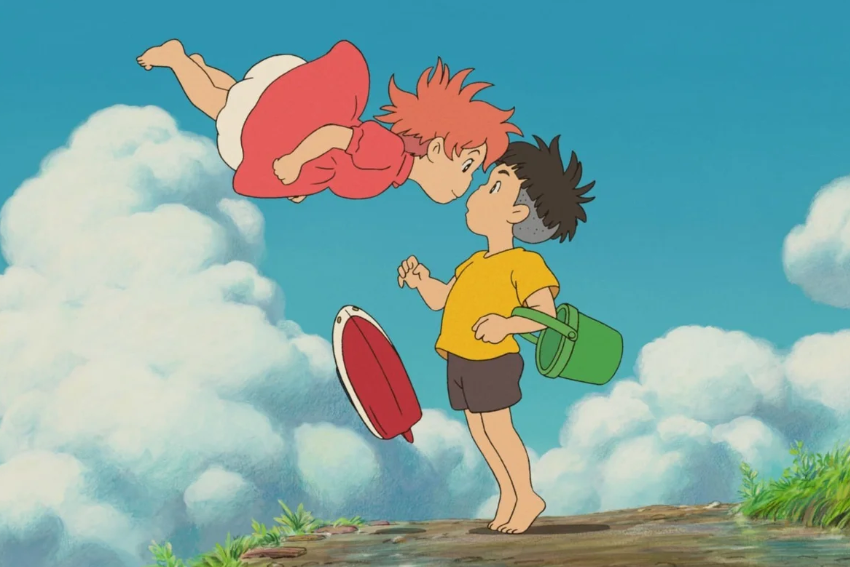
    Ponyo (2008)

    Ponyo is a Studio Ghibli film that features a young goldfish princess who wants nothing more than to become human. This movie takes place in Japan, and themes of Shintoism and Buddhism are present throughout the film. The beloved classic The Little Mermaid inspires this beautiful story.

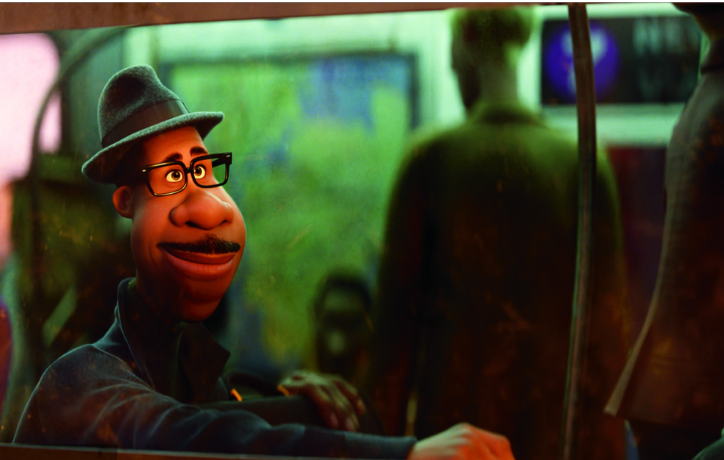
    Soul (2020)

    Soul is a fantasy film that Pixar released in 2020, breaking barriers with its inclusion of the studio’s first black main character. This movie follows Joe through his passion of jazz music, and sets the precedent that we should all live our lives how we please, and enjoy all the moments, big or small.

    Spider-Man: Into the Spider-Verse (2018)

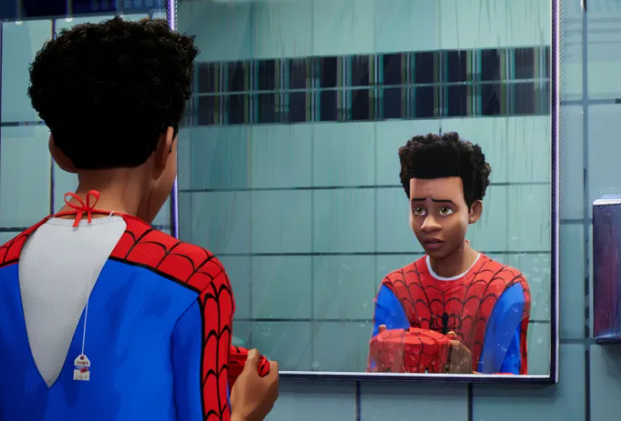
    Spider-Man: Into the Spider-Verse is an action movie that sheds light on important topics like finding your identity, navigating life under pressure, and building individuality. This film executes this while also celebrating the main character, Miles’ Afro-Latino and black identity.

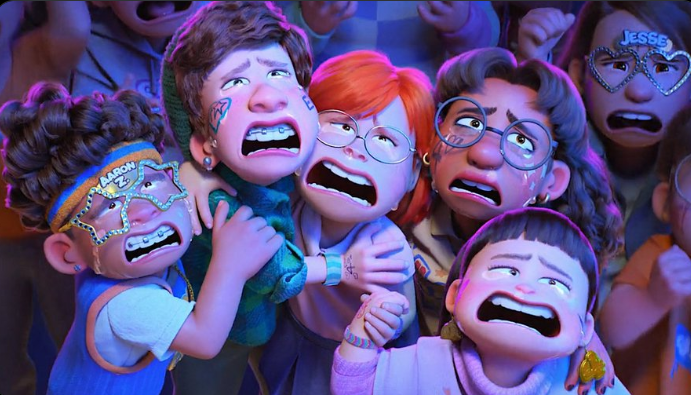
    Turning Red (2022)

    Turning Red is a comedy movie that follows a young girl named Mei, who faces challenges surrounding her identity and her relationship with her mother while she navigates puberty. The film includes Chinese heritage and its implications for the main character, as well as themes of love, friendship, and family. 

    The Direction of Progress

    There is no doubt that these movies are great, but there is always room for more. Continuing to uplift stories with cultural diversity will lead to acceptance, feeling seen, and an understanding for cultures other than your own.

  • Happily Ever After…On His Terms: Sexism in Disney’s Princess Movies

    Happily Ever After…On His Terms: Sexism in Disney’s Princess Movies

    Family watching a Disney movie together

    If you were raised as a young girl in the 21st century, chances are you had at least some sort of exposure to Disney movies, and more specifically, ones starring a princess. These enchanting tales captivated many through their castles, love stories, and happy endings. Children everywhere dreamt of their own fairy tale, including me. I spent countless days imagining a life that paralleled that of a Disney princess, hoping that an ounce of that magic was possible in real life. However, once I got older, my perception of the enchantment I felt when watching these movies changed.

    The Portrayal of Princesses AND Villains

    In the past, the princesses in Disney movies were constantly “made whole” once they found a love interest. Many of whom were portrayed as the typical “damsel in distress” until they found a male counterpart. The issues within this trope run deep. They range from the lack of autonomy that some of the beloved princesses were stripped of (think Aurora and Snow White, and how the only ways they woke up from eternal sleep were being kissed), all the way to the young women being subjected to harmful stereotypes, including never-ending housework (think Cinderella and Snow White rarely getting breaks from cleaning). 

    Unfortunately, the issues do not end there. The treatment and portrayal of women who do not fit into these traditional roles also show a noticeable trend. Have you ever noticed how Disney’s female villains are portrayed as non-conventionally attractive and, by default, undesirable? The majority of Disney’s female villains are motivated to commit evil acts based on beauty, potentially due to the fact that Disney finds it impossible for a woman to have motives that run deeper than vanity. Ursula (The Little Mermaid), the Evil Queen (Snow White and the Seven Dwarves), and Lady Tremaine (Cinderella) all have features that conventional beauty standards would deem unattractive. Whether that be body type, unusual physical features, or age, they all differ greatly in comparison to their princess counterparts.

    Ursula appears with a smug expression while she holds a scared-looking Ariel's chin
    Ursula and Ariel, The Little Mermaid, 1989

    Revisiting Princesses: Ditching the “Damsel in Distress”

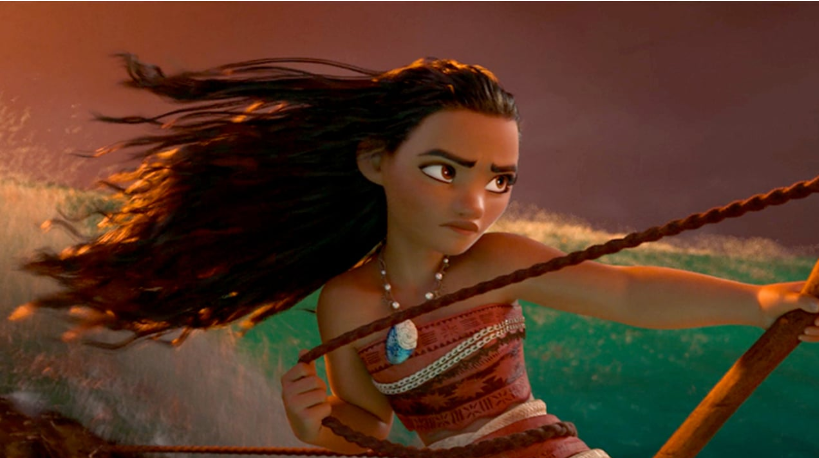
    Fortunately, recent portrayals of princesses have changed pretty dramatically in terms of modern ideas of gender and femininity. New storylines are focusing less on romantic interests and instead on themes of family, independence, and coming-of-age storytelling. Moana, Brave, and Frozen are all examples of main female characters holding power without being at the mercy of a man. These stories present a new level of nuance to the stereotypical princess “way of life” and allow for broader representation.

    Moana is shooting a bow and arrow with a concentrated look on her face, and hair blowing in the wind
    Moana in Moana, 2016

    Criticism: Constructive or Not?

    Of course, with any piece of media will come criticism. People on the internet love to complain about anything, so it is no surprise that many gave these movies their fair share of critiques. Brave was the first Disney princess movie without a love interest for the protagonist, Merida, and many found ways to twist this narrative. Internet users claimed that she was selfish, rash, and immature. A similar phenomenon occurred with Elsa in Frozen, and many disregarded key aspects of her character because of her personality. It begs the question of whether or not we as a society are truly ready to stray away from the harmful, stereotypical love stories and continue to uplift stories like Frozen and Brave, or if we are too unwilling due to the familiarity of traditional tropes, as well as the patriarchy still holding power over many.

    Rewriting the Narrative

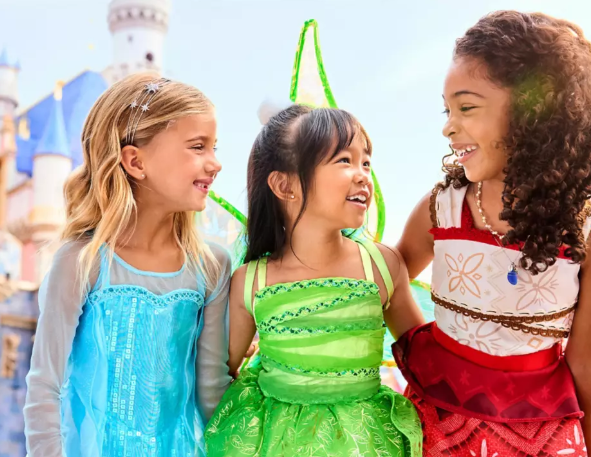
    Can we make room for female characters that can defy the gendered norms of Disney? Yes! We need to move forward and continue fighting for diverse representation that uplifts women and does not rely on a male love interest whisking them away from their terrible lives. Children from all backgrounds deserve fairytales that encourage individuality and strength. When it really comes down to it, there will always be people who are unwilling to see the positive in movies like Frozen. However, we can see the impact when children dress up as the characters and continue to sing “Let It Go” over a decade after its release. For generations, happily ever after has come on “his” terms. Upcoming generations deserve stories of their own to dream about.

    Three young girls looking at one another and smiling while wearing Disney costumes
    Kids dressed as various female Disney characters