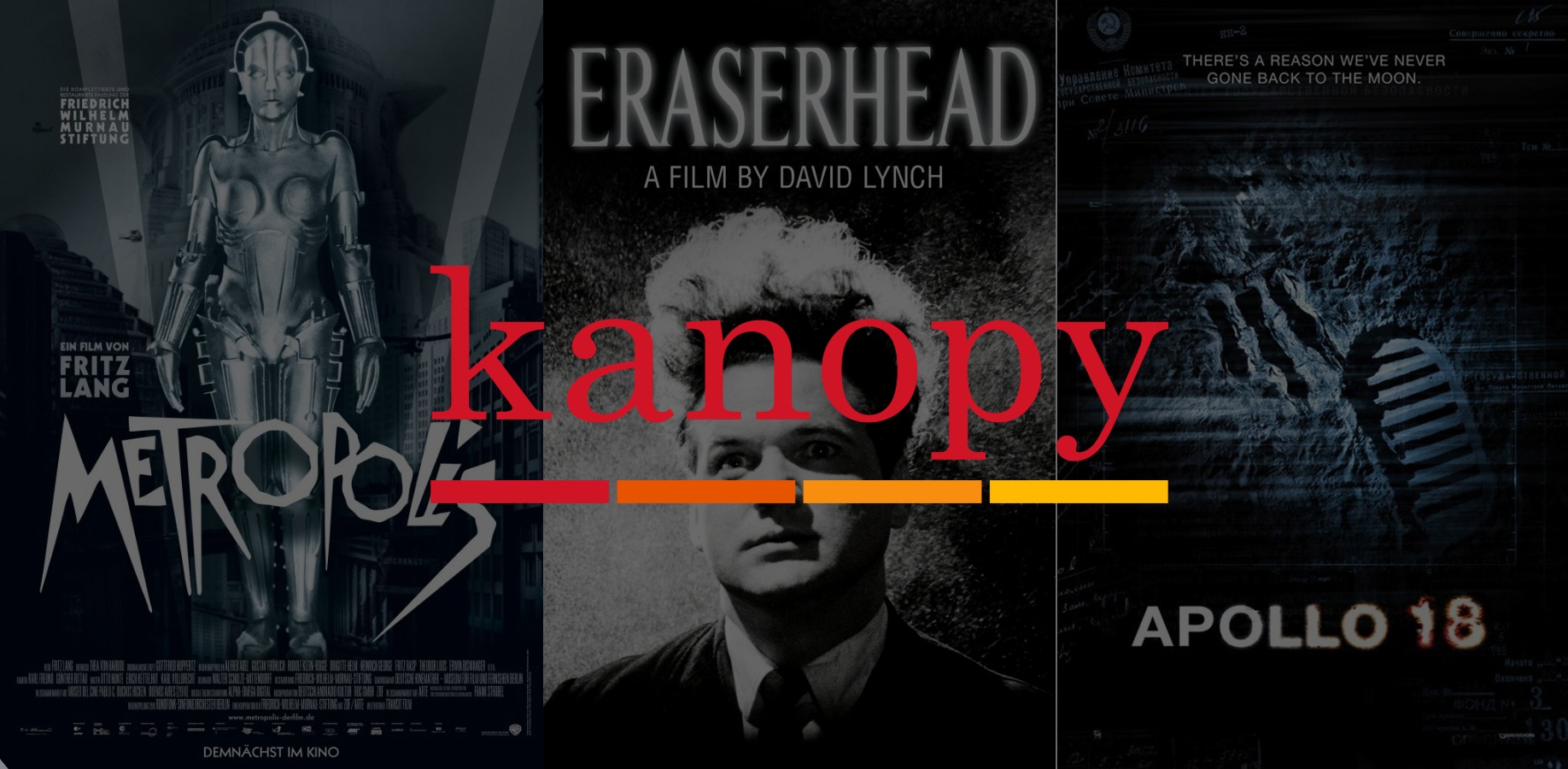
Kanopy makes movies available to all. Kanopy is a streaming service that is available to anyone who is a student or owns a library card. Owning a library card is free, so, if you don’t have one already, go pick up a library card from your local library and get watching these interesting Sci-Fi movies.
Metropolis
Metropolis
1927
2hr 28min
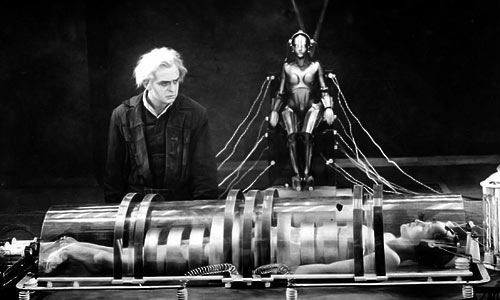
Metropolis is perhaps one of the most influential films of all time. A silent film that paved the way for sci-fi movies today. Movies like Blade Runner, Hunger Games, and 2001: A Space Odyssey are all heavily inspired by Metropolis.
Metropolis takes place in 2026. Speaking on class disparities between the working class and the rich. With amazing visuals of its time and a riveting story it’s definitely worth taking a look.
Eraserhead
Eraserhead
1977
1hr 29min
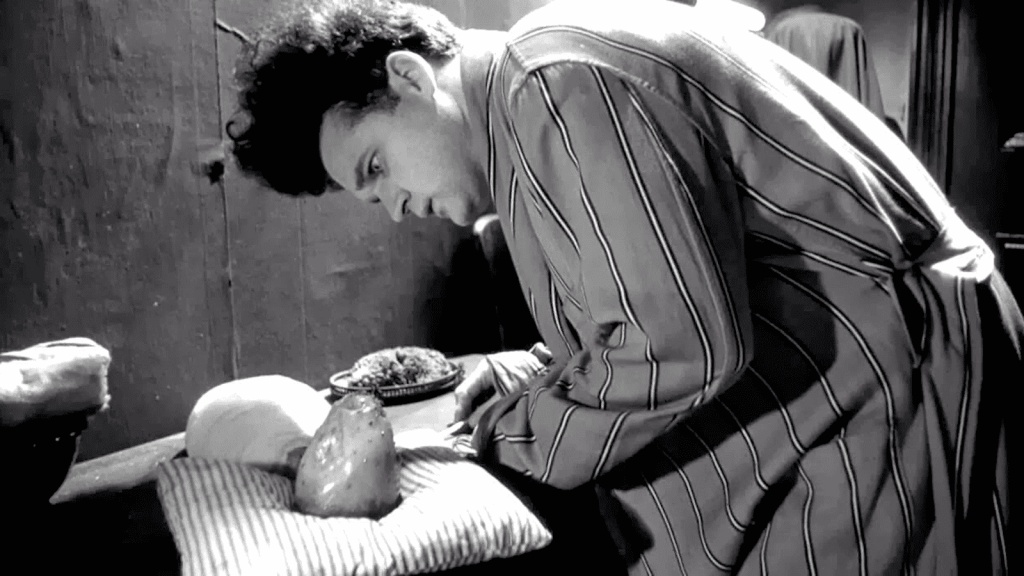
Directed by David Lynch, Eraserhead is a odd and strange film that has caught the eye of many people. The movie has many interpretations, but the idea is the same. Henry is left alone to care for his baby. But he has an eye out for a beautiful girl who lives across the hall from him. With many unusual encounters with this women we are left questioning if any of this is real.
Apollo 18
Apollo 18
2011
1hr 26min
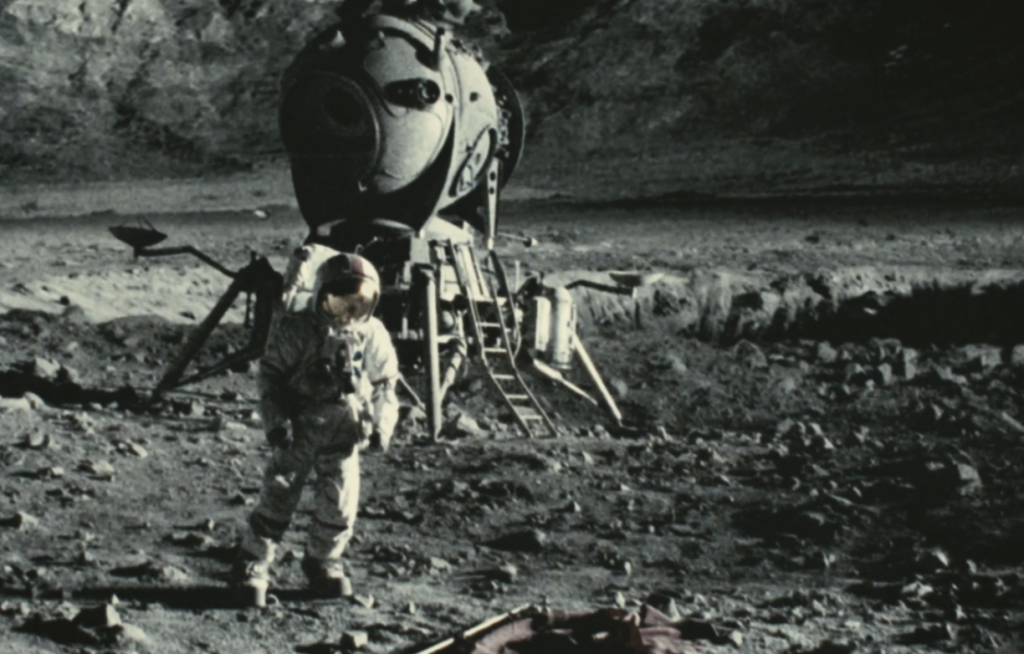
During the end of the space race, Apollo 18 was sent out with three American astronauts who never came back. In found-footage of the exhibition, we find out what happed to Apollo 18. With eerie sights and unknown monsters, this thrilling movie is a must see for horror fanatics.
Life can imitate art even if it doesn’t intend to. That is what happened with Her.
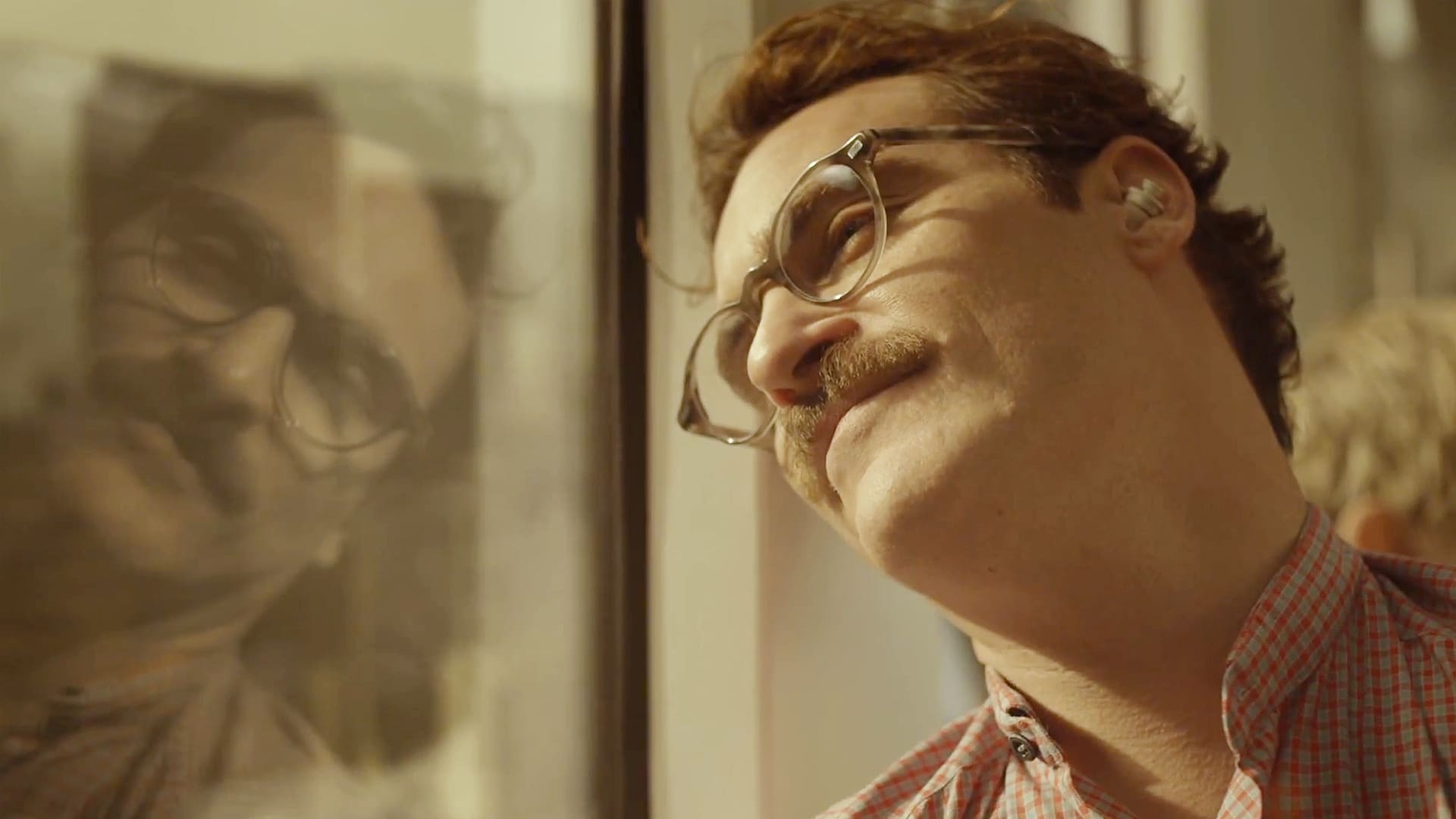
Do you remember the movie Her? From 2013, was directed by Spike Jonze, and was about a man falling in love with his computer’s AI? I recently rewatched it and I forgot how uncomfortable it made me feel. Yet, I think this uncomfortable-ness is a recently new feeling for this movie.
If you haven’t heard about or seen Her, don’t worry. Here is a quick summary:
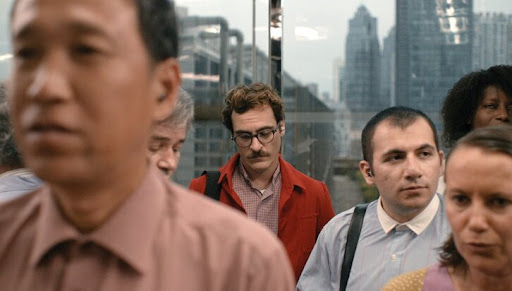
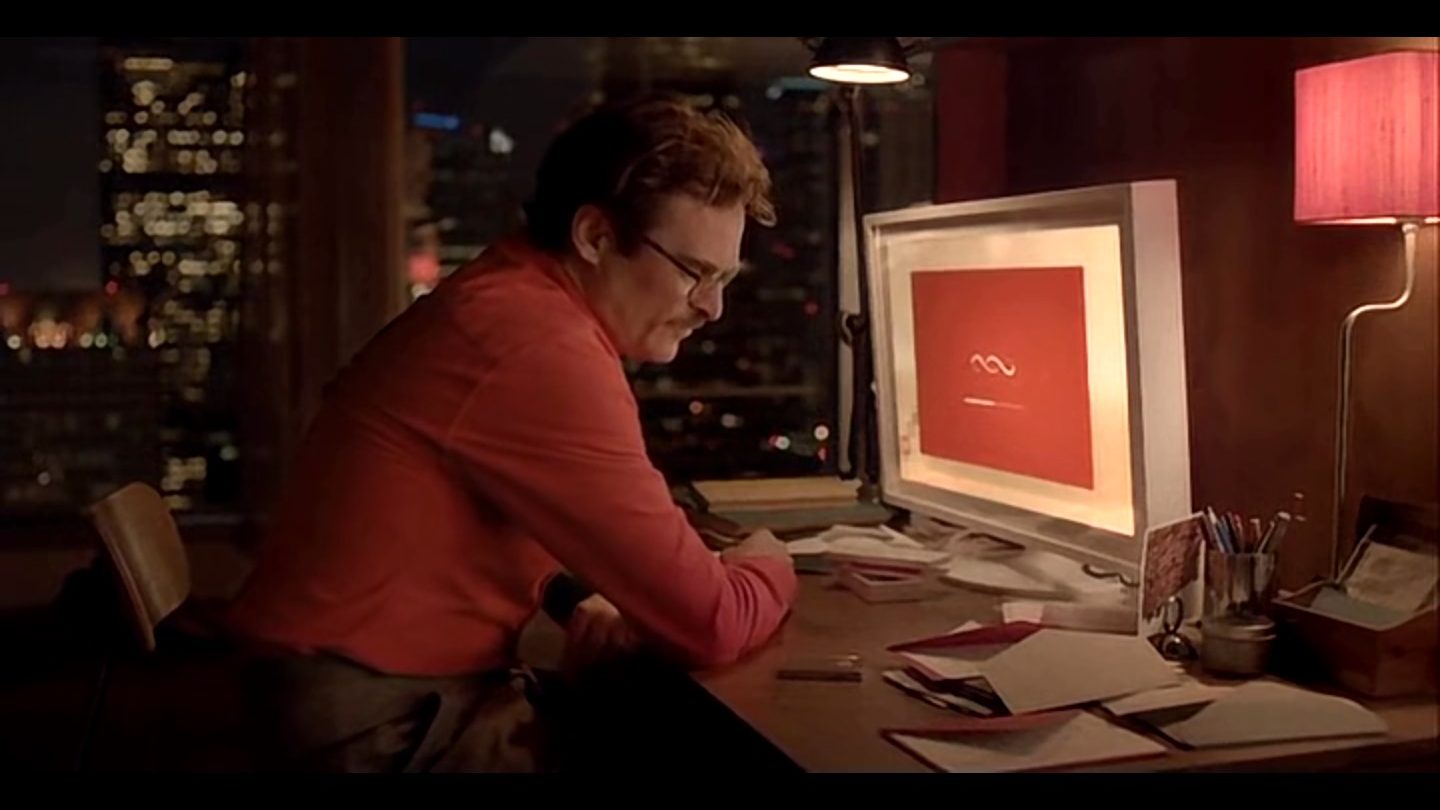
We, the viewer, are going through the life of Theodore, played by Joaquin Phoenix. Theodore is a middle aged man who is going through a divorce. One way he copes with the divorce is by installing an AI into his computer. This AI named Samantha, voiced by Scarlet Johanson, becomes his friend. But as Theodore hangs out and talks more with Samantha he starts to gain feelings for her. Possibly even falling in love with her.
If this sounds interesting to you, I recommend you watch this movie. Because it’s a really beautiful movie and I think it would be a very heartwarming love story if we weren’t actively going through it.
Her(2013)/IMDB
With the rise in AI technology, like generative AI, it’s starting to be easy to compare this dystopian type movie with the world today. I think this is why Her is so uncomfortable to watch now. When Her first came out in 2013 generative AI, like the one Samantha is, was still just a thought, a concept. It was not close to being real. Now in 2026 it is actually happening. If I wanted to, I could pick up my phone and talk to an AI that speaks and acts just like Samantha. People are doing what Thedore did in the movie here in real life. There are stories upon stories of people falling in love with their AI chatbots, and it is damaging lives.
Falling in Love With Your AI
But how and why do people fall in love with their AI chatbots? If you haven’t used an AI chatbot before you may not know how compliant the chatbot is just for the user to stay on the app/site. Eddy Burback, a YouTuber/content creator, made a video about this exact thing. In the video Burback wanted to see how easy it would be to go into “AI psychosis.” Turns out the answer is: pretty easy. No matter how insane or implausible the ask/idea would be, it would take very little to make the AI say that it is the smartest idea ever.
Her(2013)/IMDB
This compliance makes it easy for the people pursuing their AI chatbots to like and keep talking to them. It is a one-sided relationship that people are willing to keep going. But the obvious question is, where do you get the physical aspect. You are never going to see/meet your new girlfriend/boyfriend in real life and hold their hand or hug them. That is where one problem arises. Humans are social creatures. We need to talk to other humans, have physical connection, to be able to thrive in life. But with AI chatbots it can make people isolate and end up hurting themselves.
My Opinions on AI
I think AI should not be available to the public. Once it stops destroying communities’ water supplies I may rethink that. But, I still have some problems with it. In Bird by Bird, a book by Anne Lamott, Lamott writes about the “shitty first draft.” Lamott talks about how as a writer you have to be ok that you will most of the time have a terrible first draft of a piece of work. It promotes creativity and free thinking.
But with AI, students and some writers are using it to create that first draft and sometimes write/create the full product. AI is creating artists and writers who are lazy and void their audience of meaning. It feels like a betrayal to audiences when creators use AI. It also is just bad work. AI does not have a soul, and all art needs a soul to speak to people, with AI it’s mundane and dull.
Now I want to get your opinion, what do you think of AI and its capabilities?
Sci-fi, like any media genre, has its…problems, especially when talking about gender. Gender is a complex topic to write about. Portraying gender in a way that is not only correct but is respectful to the parties involved can be challenging. With sci-fi you have endless possibilities for character creation. I mean, we are talking about the infinite possibilities of space and time. I think whether this species wants to be called with they/them pronouns are the least of our worries. But unfortunately, people end up still having a problem with it.
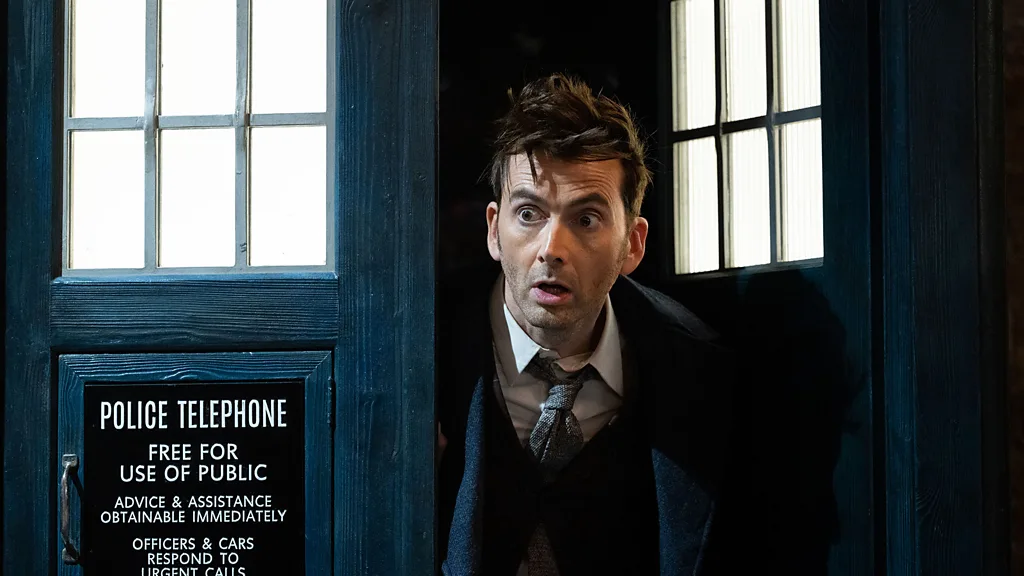
Doctor Who expands this idea tenfold and deals with gender in many different ways. Having the main character be from a different planet where, instead of dying, they regenerate into a completely new person with new features and personality, yet still is the same person as before. Just the Doctor has such a new and somewhat complex idea of gender that the west doesn’t fully understand or subscribe to. I’ll be going through the era’s of Doctor Who and talk about the differences between how they dealt with gender, both with humans and the Doctor themselves.
BBC
Classical Era (Old Who)
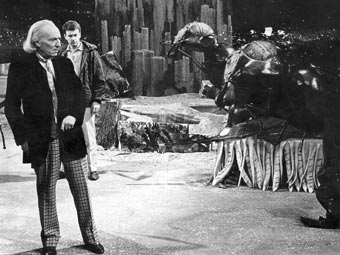
Early seasons of Doctor Who were, let’s say, not the greatest in terms of how they treated their female companions. Doctor Who, especially the Old Who Era (1963-1989), has a “Hero Doctor” and a “Damsel Companion” dynamic. The companions “job” was to ask “what’s going on, Doctor!” so the Doctor can have his moment. The female companions would be dressed and written in a way that was demeaning to women. No matter the scenario, they would be dressed in a short skirt and heels. Or in some cases, in a leotard with a low neck line like Leela. Need I remind you that this is a family show.
The directors were asked why they would dress the women in this way. They said that it was “for the dads watching.” Which I find insane. You are making a show that is entertaining (and informative) for the whole family, and your response to someone asking why the women are dressed inappropriately is that? WHAT? Isn’t this a crazy statement to say?
BBC
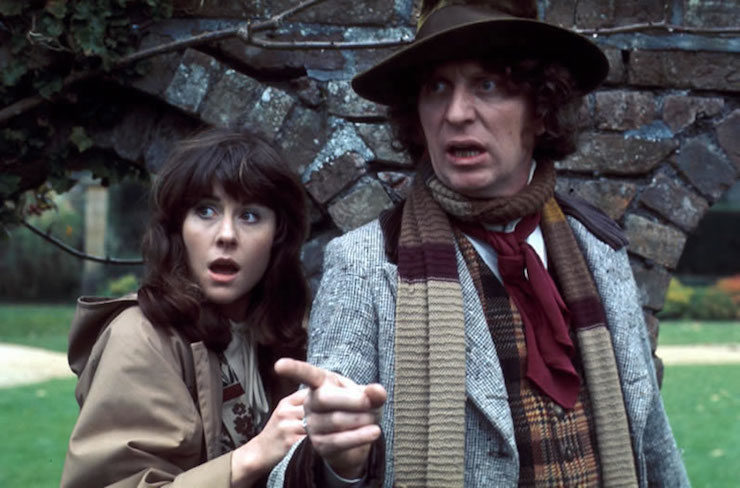
Sara Jane Smith was the first one to break this cycle. She would wear less revealing clothing and be more of a central role for the show. Sara Jane was a journalist, making her character more involved in the story rather than being a damsel. Sara Jane Smith even reappeared in the Revival of Doctor Who in the Early 2000s.
Revival Era (Nu Who)
BBC
Russell T. Davies
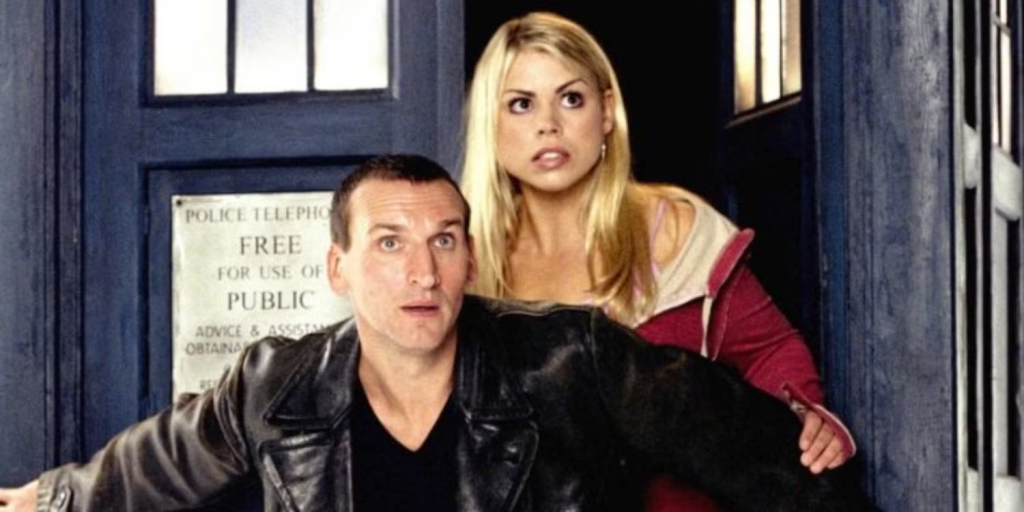
In the early 2000’s, Doctor Who got a new style. The showhad a 16 year hiatus and in 2004 BBC rebooted the show. Christopher Eccleston was the new face of the Doctor along with Billy Piper as the main companion. But this was slightly different from the Old Who. The dynamics of the doctor and companion began to change. The companion, Rose Tyler, was a 19-year old working class girl, a very relatable character to the main audience of the show. Rose dressed in comfortable pants, a zip-up jacket, and natural looking makeup. The only time they sexualized her was when she was not in control of herself (Season 2, Episode 1: New Earth) or when other side characters would sexualize her (mostly Captain Jack in Season 1, Episode 9: The Empty Child).
Companions from Davies season where written in a similar manner. Martha is a smart and go-getting woman who ends up being a central part of U.N.I.T, a task force that helps the Doctor when things get too big for one man to control. Donna, my personal favorite, never let anyone disrespect her or others, she helped the doctor be more empathetic and stopped him many times when he would go “too far.” The Doctor also would have more lines talking about their gender. In Season 4, Episode 2: The Fires of Pompeii, The Doctor would make a comment saying “it’s just us girls.” The Doctor would make small comments just like this one that made fans wonder about the Doctor’s gender.
BCC
Steven Moffat
One reason Doctor Who has run for so long is because not only do they switch actors for the Doctors, but also switch writers. In 2010, Steven Moffat was announced to be the writer for the next few seasons. Steven Moffat’s way of writing, specifically female characters, has gotten a lot of backlash in the media. Many fans of Doctor Who and BBC’s Serlock call his writing misogynistic as well as calling him a misogynist.
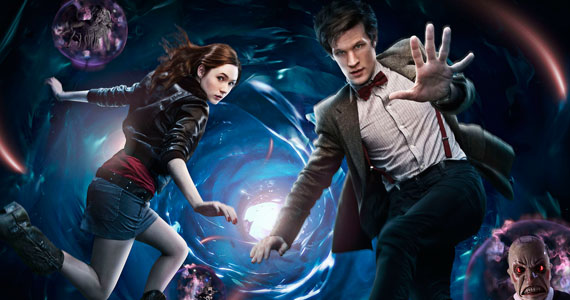
In Season 5, Episode 1: The Eleventh Hour, we are introduced to a young child named Amy Pond. For the first few minutes of the show we are seeing the Doctor through young Amy’s eyes. In awe of but also confused by this weird man. How he acts, what he eats, the funny words he says. It’s all very playful. Later in the episode, we are introduced to Amy Pond grown up. She is in a short skirt and tights and our first look of her is a pan from her feet to her head. This makes her body the focal point of the shot, not herself or her character. This way of filming sexualizes her.
BBC
Moffat never understood why people would say he was misogynistic. Moffat has the idea that because a woman is sexy, strong, and powerful, that meant that he was lifting up women. We see this from the very beginning of Moffat’s season with adult Amy’s introduction to the audience. There are many other female characters that Moffat does this to. River Song is a fun and mysterious character. Rivers main personality trait is flirting with the Doctor. I’m all for sex-positive women, just not when it’s her only personality trait. She creates a love interest for the Doctor that is not Amy.
Matt Smith’s seasons of Doctor Who were the most loved seasons of the show. But with popularity comes criticism. I would like to hear more perspectives of this, what are your thoughts on gender in Doctor Who?
Gender in Doctor Who
If you couldn’t tell already, Doctor Who is very dear to me, it was one of the first shows I remember watching with my brother. We were able to connect in a way that we hadn’t before and I adored that. But even with this love for this goofy show, I can admit that it has its faults, especially with how it handles gender and sexuality.