Category: Action

Get the thrill of action movies…

  • 1917: How Cinematography Makes The Movie

    1917: How Cinematography Makes The Movie

    Introduction:

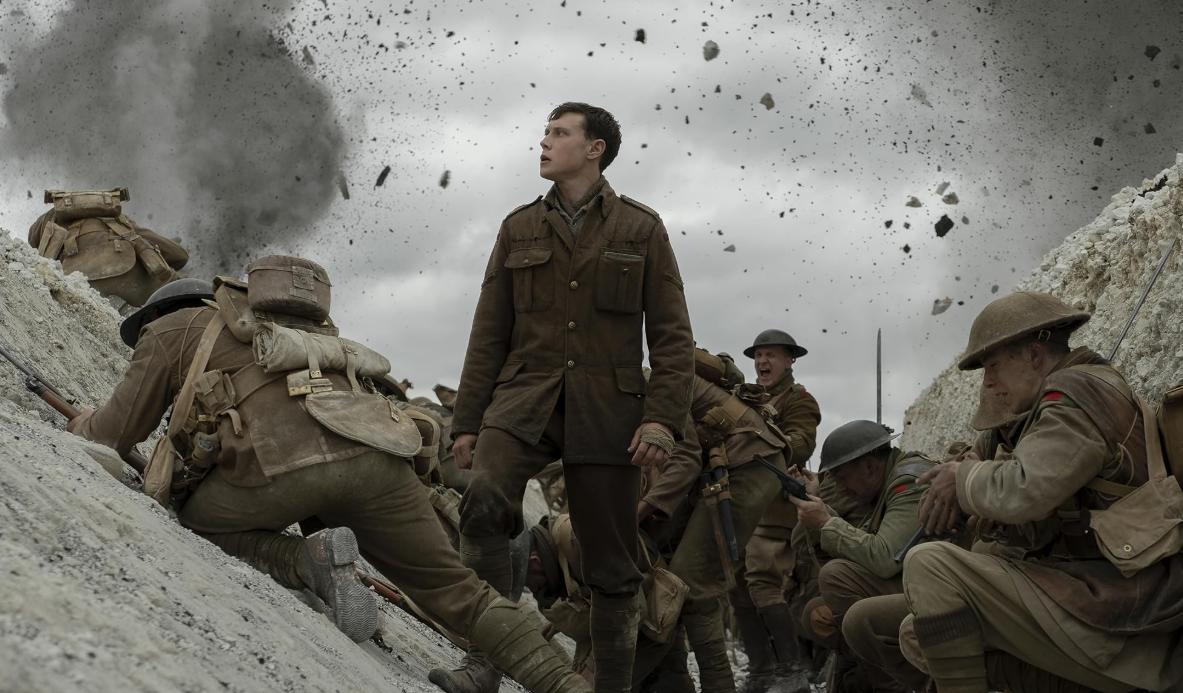
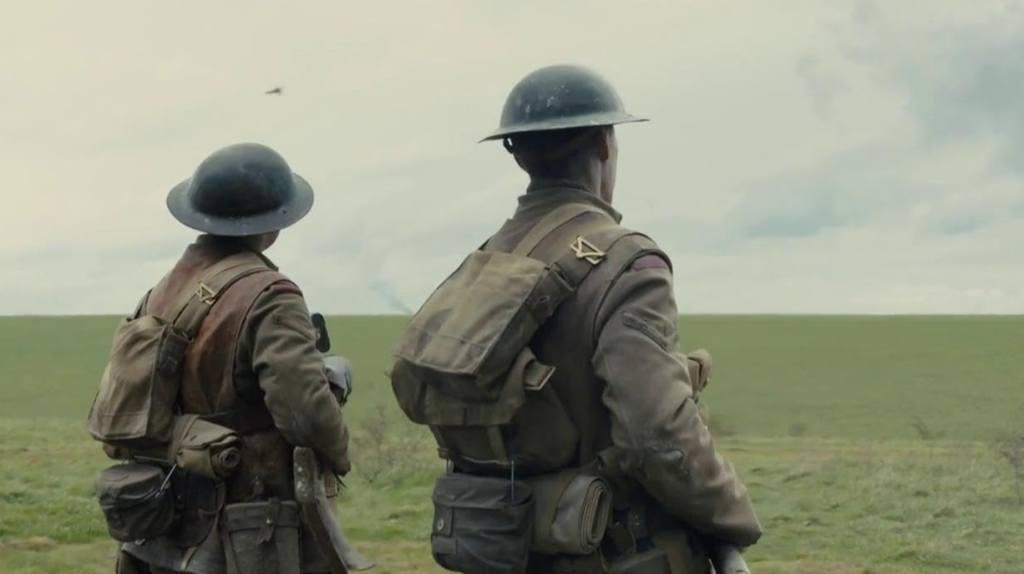
    1917 is a movie where two British soldiers, Lance Schofield and Joseph Blake, must deliver a message that could save thousands of their men in the midst of World War 1. Personally, from the war movies I have seen, I would say they’re just fine. Usually, it’s a soldier, who is just one of thousands of men, who ends up changing the battlefield by some heroic act. However, after watching 1917, there is something distinct about it that sets it apart from any other war film I have seen. The cinematography makes the movie so great, mainly because of one aspect: it’s all filmed in one take.
    1917

    The Story of 1917:

    The movie begins with our main characters sleeping by a tree. They’re called in to complete an assignment to deliver a message to the recipient, a separate battalion of the same force. The two soldiers immediately set off, beginning our adventure. Along the journey, they go across No Man’s Land, German trenches, and plane crash sites. At this point, they help a wounded German soldier, but it immediately bites them in the butt as the German soldier stabs and kills Blake as he is helping him. Schofield takes Blake’s last words and reassures him that he will save the men in the other battalion (and his brother, who happens to be in the same group).

    Schofield continues on, this time solo, traveling along country roads, through the town of Ecoust, where he is hunted, falls into a river, and onto the front lines of the War, where he must run with no cover to get from one end of the trench to the other. Alas, he reaches it and finds the Lieutenant in charge of the battalion, and delivers the message of calling off the attack. He finds Blake’s brother, too, and can conclude his mission. The movie ends with Schofield sitting down at a tree, finally able to relax.
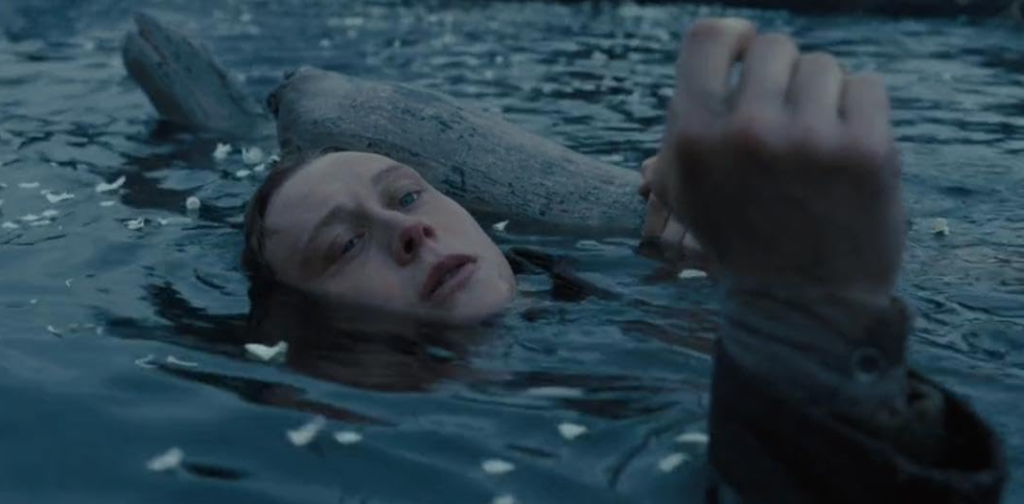
    1917

    How Cinematography Enhances Our Experience:

    Now, everything I described could be argued for the stereotypical war movie I was talking about earlier, but the reason it’s so special is that it was all taken in one shot. When I say one shot, I mean under the illusion of one shot. It’s actually made up of many clever shot transitions to make it all look seamless. I am not very worried about the technical aspects of what makes it a “one shot” or not, but the effect it does give to the audience with the camera techniques pays off immensely. Also, during Schofield’s time in Ecoust, he was knocked unconscious in a gunfight with a German sniper. This provides a cut in the shot, but it makes sense because our main character is not awake.

    The reason the cinematography is so effective is that it feels like we are really there with Schofield. There are no cuts, so we go through every single event along Schofield’s journey, experiencing every detail with him. During the tense moments, like when he is getting shot at by the sniper in Ecoust, he doesn’t know where the sniper is, but neither does the audience, so it puts us on the edge of our seats too. During peaceful moments, like the beginning and the end (primarily the end because it concludes the long stressful journey), we can relax and enjoy the peacefulness. If the film did have cuts, it could have been distracting and pulled us away from being immersed. 1917 has such a better way of connecting its content with the audience than any other war movie.
  • Mad Max: Faith of a War Boy

    Mad Max: Faith of a War Boy

    Introduction:

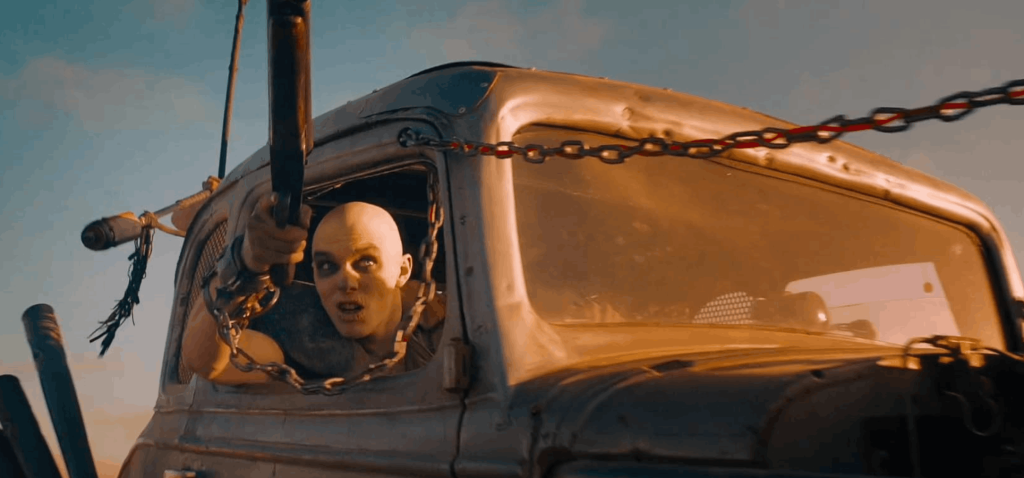
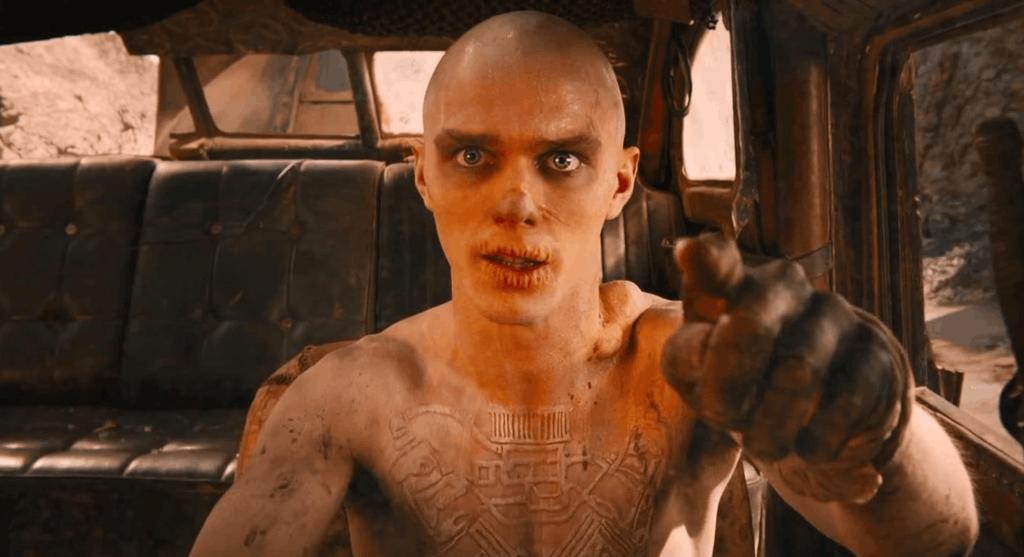
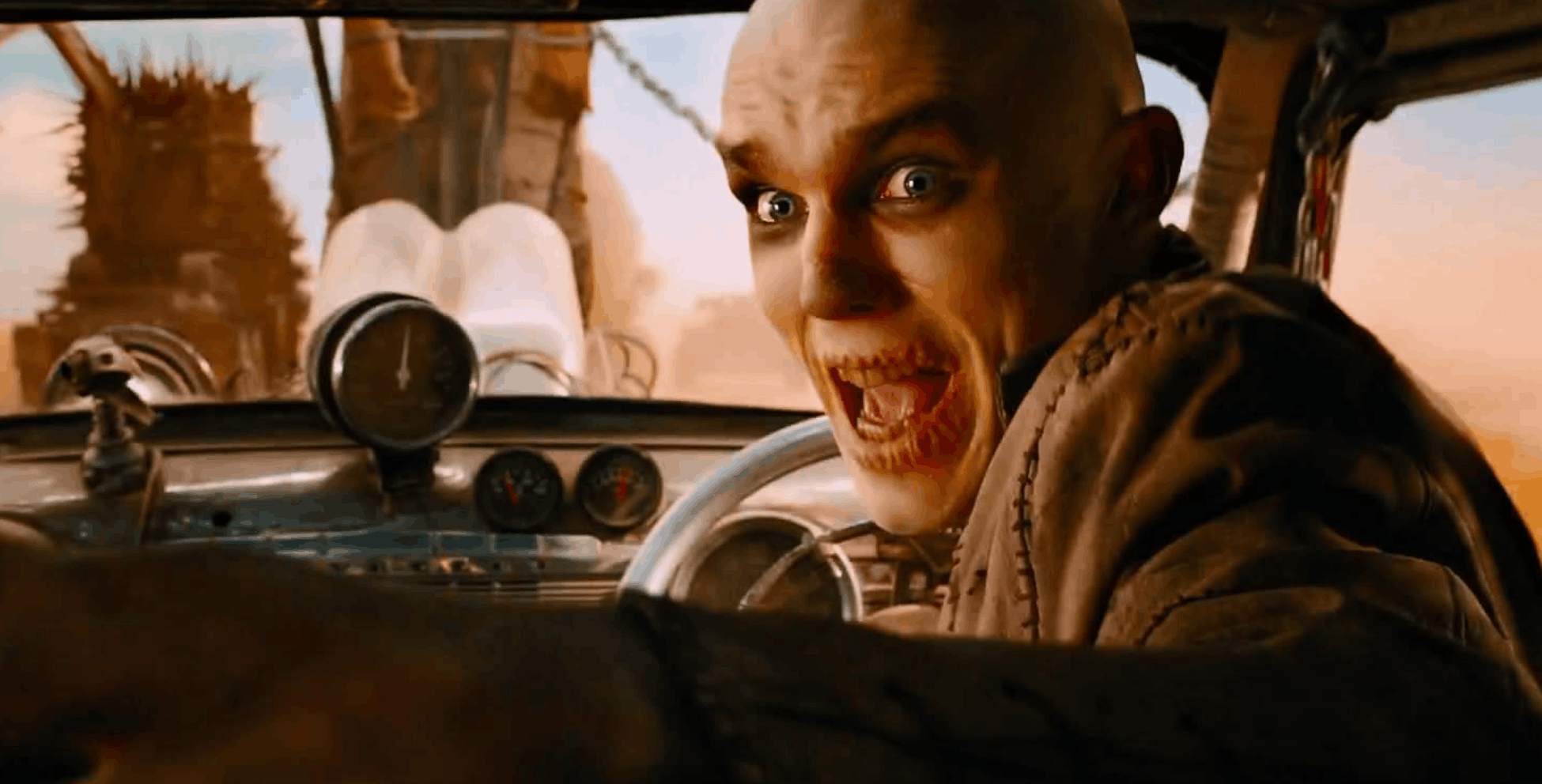
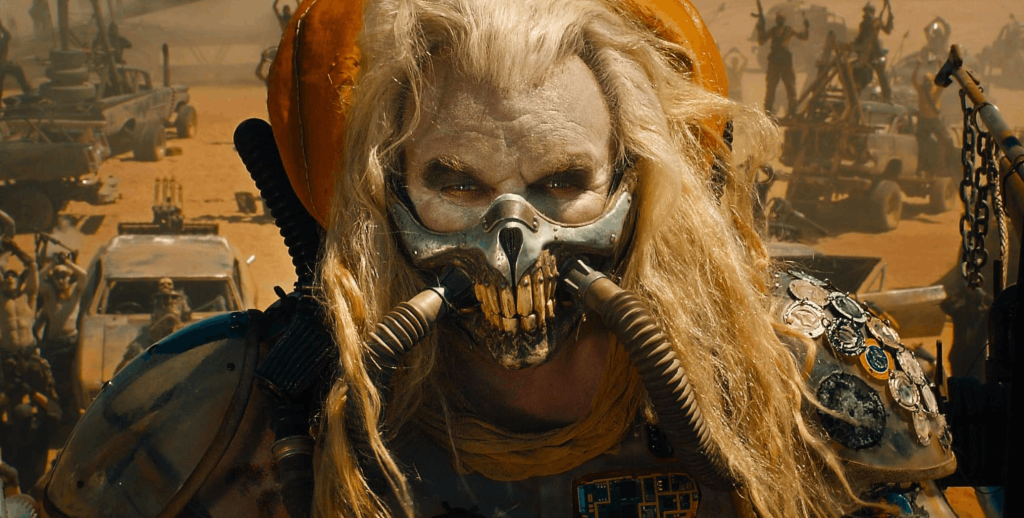
    Within the Mad Max: Fury Road movie, there are a couple of themes that revolve around the character Nux’s journey: religion, politics, and redemption. Nux is one of many “War Boys” who work for the corrupt Immortan Joe, the dictator of the wasteland. After the recent escape of Immortan Joe’s five (yes, five) wives in a recycled oil truck, he rounds up all the War Boys to pursue the vehicle. However, Immortan Joe is a mean and selfish leader, hoarding the water supply from his followers (War Boys included), so how does he stay their leader, and what does this mean for the War Boys?

    Mad Max: Fury Road

    Idea of Valhalla, and Immortan Joe:

    Valhalla is a concept from Norse mythology, which is a place like heaven but for warriors who die in battle. Warriors sent to Valhalla would be granted a Utopia and known as heroes for generations. Immortan Joe’s whole philosophy that he shares with all of his followers is the idea of Valhalla, giving most of the War Boys a purpose. This splits Immortan Joe’s reputation into two: he is a leader of The Citadel (the fortress where he and his followers reside), showing strengths in battle and decision-making, but because he uses the idea of an afterlife to sway his followers, he is also perceived as close to godlike.

    Mad Max: Fury Road

    Nux’s Drive To Be The Best:

    As a result of this, the need to be a great war hero highly affects the War Boys’ behavior. Our main War Boy, Nux, is driven by this philosophy, completely controlling him. According to the comics, Nux was raised with the scraps of the wasteland. In his younger years, his parents died, and he was left to fend for himself. With all odds against him, he proved himself to be a War Boy and devoted his life to Immortan Joe. 

    Throughout the film, Nux attempts to stop Immortan Joe’s wives, but fails every single time. Some of these attempts in front of Immortan Joe, like when Nux could have concluded the hunt, but trips and drops his gun. Immortan Joe becomes very unimpressed with Nux. After Nux’s last attempt to stop the wives, while even sneaking aboard their oil truck, he believes he failed and let down his leader. The amount of embarrassment clears the thought of being allowed to go to Valhalla at all.

    Mad Max: Fury Road

    Redemption:

    One of the wives, “Capable”, finds Nux aboard the oil truck and feels bad for him. She makes him feel better, and Nux, for the first time, feels appreciated and destined to do something great. Now, instead of acting on what will get him to Valhalla on Immortan Joe’s terms, he chooses to do the thing he thinks is right, joining forces with the runaway bunch. With his destiny in his own hands, he fends off the War Boys, helping our main characters. With a new understanding, Nux finds himself in a dangerous predicament and ends up sacrificing himself for the people he had been hunting the whole movie. Not only did this give the wives a chance to escape, but it also gave Nux a purpose he had been looking for his entire life.

    The idea of purpose/fulfillment that Nux brings to the audience is something to learn from. We must have a balance between satisfying others’ needs and our own. I assume that everyone at some point in life has made a decision to prove themselves to others around them. Sometimes this could be destructive because, at a certain point, the actions you commit don’t benefit yourself. Nux teaches us that everyone has the ability to face the majority when necessary.

  • Super-suits: Practical or Vanity?

    Super-suits: Practical or Vanity?

    Introduction:

    When we think of the average “hero/heroine” of an action/adventure film, most would picture a bad-ass character with big muscles and defined features. The casting decisions for these roles are smart artistic choices, as characters with greater-looking bodies make their almost superhuman stunts look a little more believable. For example, if Dwayne Johnson had the ability to power jump hundreds of feet, that would be a bit more believable than if Adam Sandler could. However, while our well-built characters may be very appealing to the audience, is there a line between great looks and oversexualizing our heroes?

    Marvel Comics:

    Marvel Comics

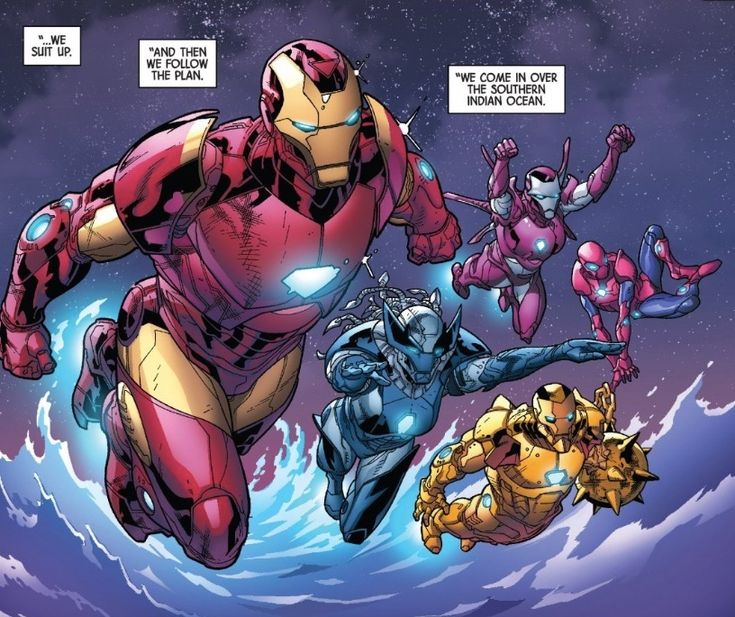
    Marvel’s comics have always had a reputation for making their superheroes look godly. One common feature of most superheroes is their skin-tight costumes, which further enhance their features.  For the typical male Marvel superheroes, no matter the costume, they somehow always make sure that muscles are protruding from their skin. Even Iron Man’s suit of iron is totally jacked. I would also note that most male superheroes have prominent bulges. Typically, female Marvel superheroes, in comparison, have much softer features, but their curves are very accentuated. While this makes our female hero more attractive, is it a practical part of their character?

    The MCU (Marvel Cinematic Universe):

    The Avengers

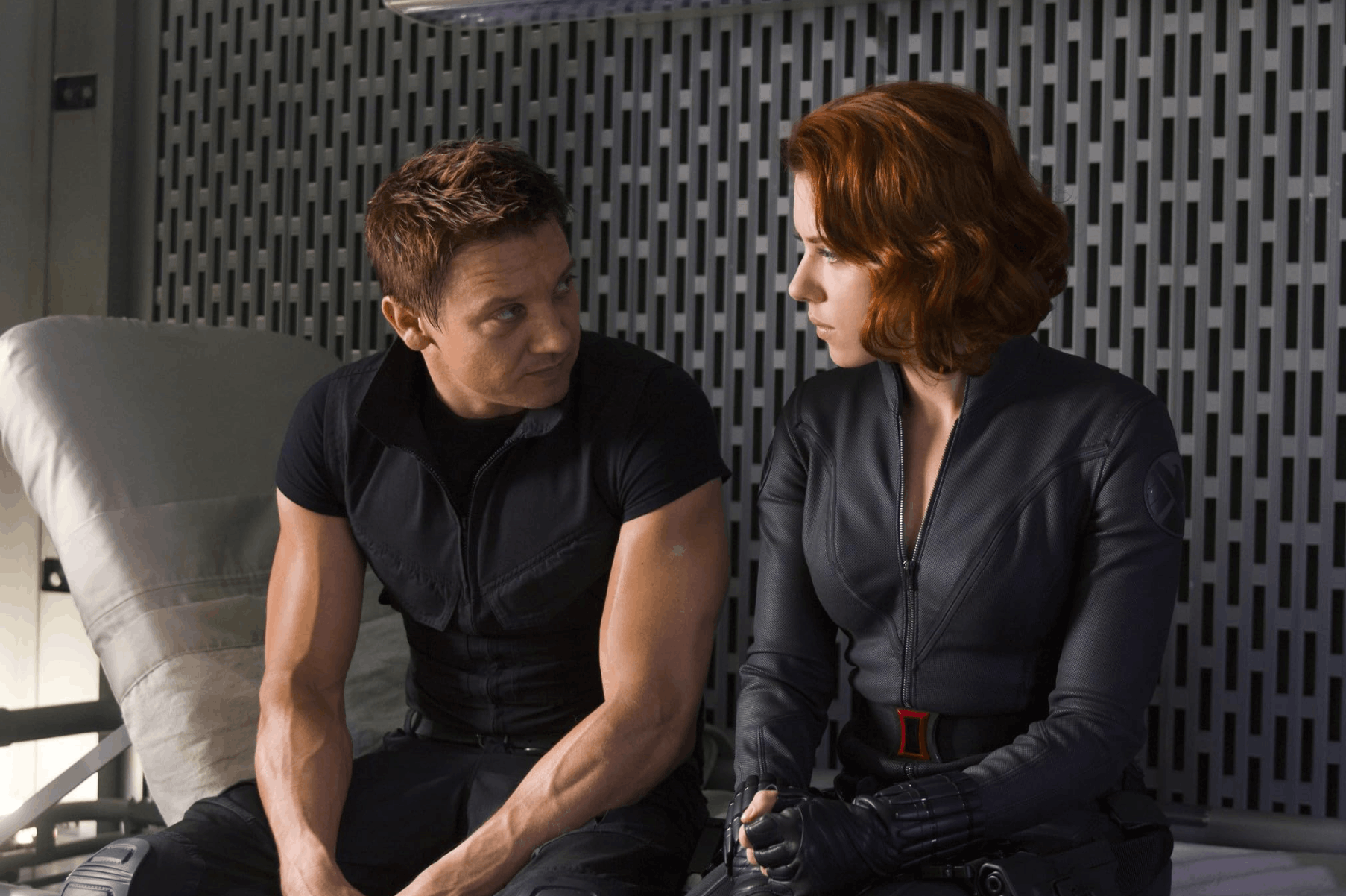
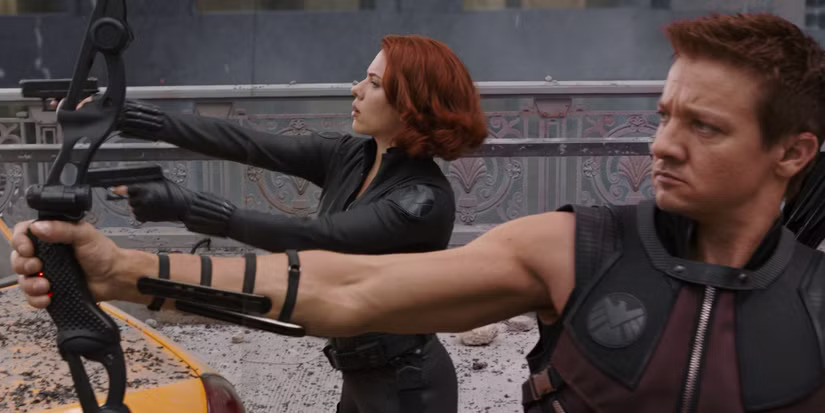
    The same applies to the more modern adaptation: The Marvel Cinematic Universe. While some superhero appearances are dialed way down compared to the comics, this stereotype still exists. For example, Scarlett Johansson’s character, Black Widow, commonly wears a black jumpsuit as their costume throughout the entire series. This seems understandable because the suit is very tactical; you wouldn’t want a baggy outfit if you specialize in martial arts, but then again, it seems way too tight and revealing to be practical. For Jeremy Renner’s character, Hawkeye, his outfit in The Avengers is also impractical. He wears a normal suit of armor (fit for an archer) but has no sleeves. Yes, it does extenuate his muscles, but it keeps his arms extremely vulnerable, especially in the middle of a war.

    Elizabeth Olsen’s Take On The Superhero Image:

    Avengers: Endgame

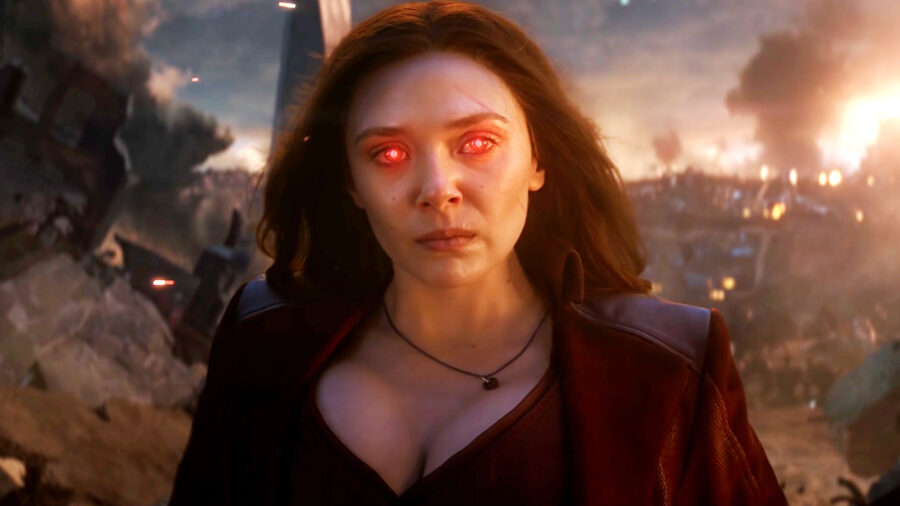
    Elizabeth Olsen (Marvel’s Wanda Maximoff) had expressed discomfort in the past with her character’s outfit. During an Elle Magazine interview, she claimed, “I like corsets, but I’d like it to be higher.” She was a bit baffled at how long her character had been so revealing, too, as Marvel’s characters evolve throughout their movies. She also adds, “I think of the costumes and what we have to wear—it’s more about iconic images, because that’s what these movies are, I think that’s the goal with the costumes, and it’s not representing the average woman.” (Elle, 2018)

    What Olsen says about iconic images is very important. While Marvel (and the action/adventure genre in general) creates these iconic heroic characters, they have to be careful what they suggest about oversexualization. These heroes end up being idols many people look up to. We shouldn’t see our heroes as “he’s very muscular” or “she’s very sexy” because that doesn’t represent the entirety of most characters. Instead, we should be falling in love with our character’s morals and decisions rather than their bodies. I can die happy just as easy without knowing how big Jeremy Renner’s arms are in The Avengers.