Introduction to NIL (Name, Image, and Likeness)
By Elliott Dyrland on February 18, 2026 at 9:00 PM
There is no doubt that college athletics has changed a lot over the past few years. In 2021, the NCAA approved Name, Image, and Likeness (NIL). This allowed college athletes to make money off their name, image, and likeness. Before this, athletes were not allowed to profit at all, even if their jersey was being sold in stores. This was a big change for college sports. Some people think it has made college athletics better, and others think it has made it more complicated.
When NIL first became a thing, it felt like everywhere you looked, there was a headline about some quarterback signing a huge deal. According to ESPN, NIL allows athletes to earn money through sponsorships, social media promotions, autograph signings, camps, and other endorsement opportunities. Schools still cannot directly pay players just to play, but athletes can work with outside companies. This is something that was never allowed before 2021.
My Thoughts on NIL
As a college athlete myself and someone who runs an Instagram account with almost 12,000 followers, I talk to high school and college recruits all the time, where I encounter NIL a lot. From those conversations and my own experience, I see both positives and negatives with NIL. On the positive side, college athletes finally have the opportunity to be compensated for the work they put in. Being able to sign brand deals, promote products on social media, or partner with local businesses is a great opportunity that athletes did not have before 2021.
However, there are also drawbacks. In the past, many programs recruited athletes as freshmen to develop them over all four years of their eligibility. That long-term development model is becoming less common. Now, if a player at a lower-level school without strong NIL opportunities has a breakout season, there is a high chance they will transfer to a school that can offer better financial opportunities and more exposure. Before NIL, this was not as common. Now, we are seeing many of the top programs attract more of the high-earning and high-profile players. In a way, it can feel like the rich get richer, which changes the competitive balance of college athletics.
The Reality of NIL for Most Athletes

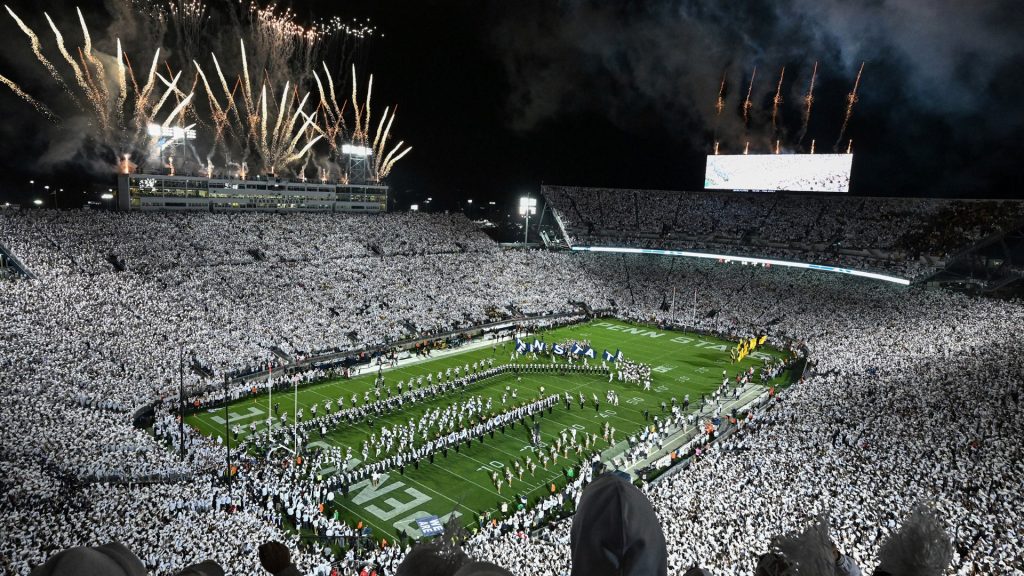
A lot of people think NIL means every college athlete is making a ton of money. That is not really true. While there are definitely some athletes at big Division I schools who are making significant money through NIL, especially football and basketball players at major programs, they represent a small percentage of college athletes. In basketball, programs like Duke, Arizona, Michigan, and UConn consistently receive national attention. In football, schools such as Alabama, Ohio State, and Miami are known for their large fan bases and media exposure.
However, the majority of college athletes are not signing million-dollar deals. For most athletes, NIL looks much different. It might be a smaller partnership with a local business, promoting a product on social media, or running a youth camp in the summer. The opportunity is there, but the scale depends heavily on the school, sport, and overall exposure. This is where perspective matters.
Most college athletes do not play at huge Power 5 schools. Many play at smaller Division I, Division II, or Division III schools. The opportunity is still there, but it is on a different scale and looks very different. A Division III athlete is probably not signing with Nike, but they could get lucky and get sponsored by a local business.
Lawmakers and the Future of NIL
Another thing that is interesting and may impact athletes over the next few years is how much NIL is still changing. According to Fisher Phillips, federal lawmakers have talked about creating national rules to regulate NIL instead of having different rules in every state. This shows that the conversation around NIL isn’t finished. There are still ongoing discussions about how it should work and what the future of college athletics will look like. That can make it confusing for recruits who are trying to make decisions right now.
NIL and the Transfer Portal
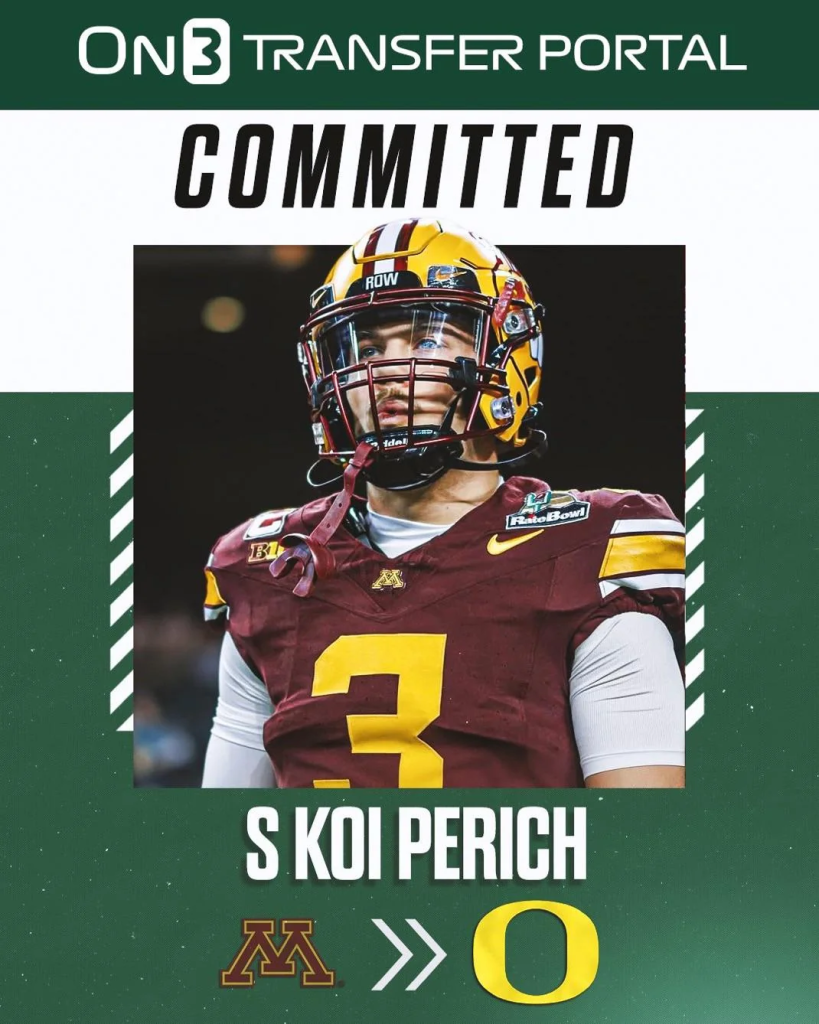
NIL has also affected recruiting and the transfer portal (The transfer portal is essentially a database run by the NCAA that lets athletes say that they are exploring transferring). Athletes now think about market size, social media following, and exposure when choosing a school. That was not really part of the conversation before 2021. Some athletes may even consider transferring to a school with more exposure to increase their NIL chances. But there are also risks with that. Team culture, academics, and relationships with coaches still matter a lot.
NIL and the transfer portal together have created what many coaches would describe as a two-headed monster. With players now able to enter the transfer portal more freely than in the past, and with some schools having strong NIL opportunities to attract talent, the last few years in college athletics have been chaotic, to say the least.
As mentioned earlier, NIL can influence athletes to transfer in search of better financial opportunities and more exposure. When you combine that with updated transfer rules that allow players more flexibility in moving between schools, it becomes much easier for athletes to change programs. This has shifted the way coaches build rosters. Instead of focusing only on long-term development, many programs now have to recruit their own players every year while also competing for transfers from other schools.
Final Thoughts on NIL
Overall, NIL has created opportunities, but it has also added pressure. Athletes now feel like they have to build a brand, grow their social media, and compare deals with other athletes. For some people, this is exciting. For others, it can be stressful on top of school and sports.
NIL is not a guarantee of money. It is an opportunity. Some athletes will benefit more than others. It depends on the sport, the school, the market, and how much effort the athlete puts into building their brand.
College athletics is changing fast, and NIL is a big reason why. It has opened doors that were previously closed, but it has also created new challenges. As college athletes, it is important to understand what NIL really is, not just what the headlines say.
good