
By: Emma Weber
February 22, 2026
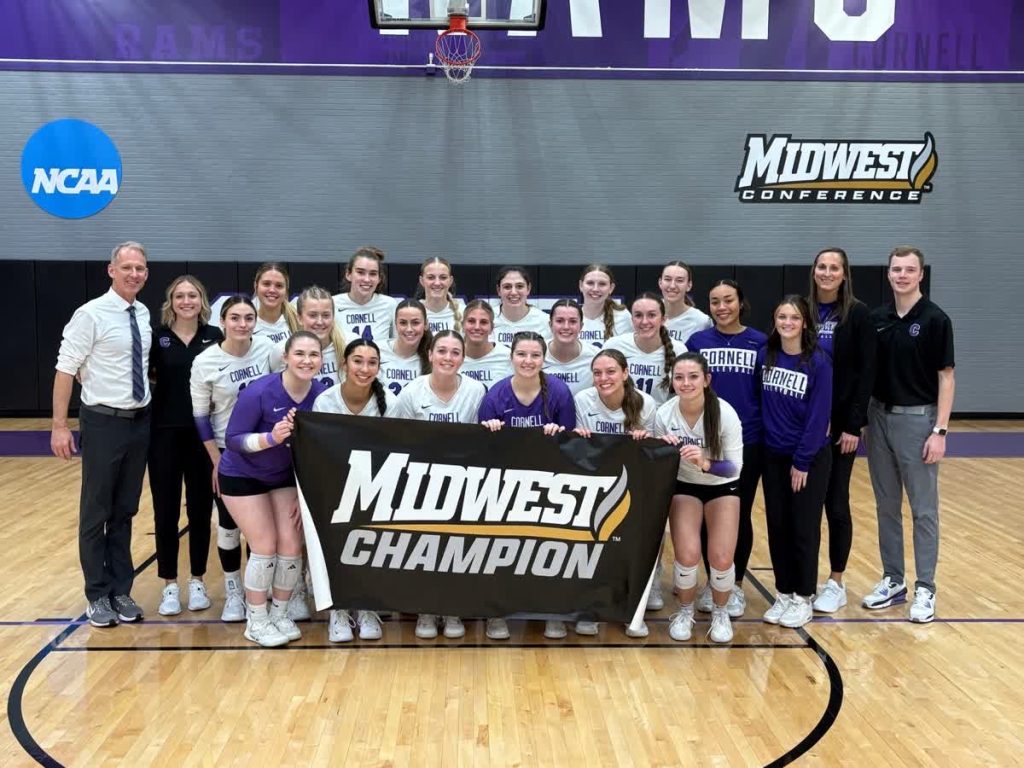
As athletes, we face a variety of challenges that can have a negative impact on our mental health. Whether it be pressure from coaches, competition between teammates, or low self- confidence, the competitive world we live in can really impact our lives if we don’t take care of ourselves. If mental health resources and supports are something you are hoping to find at your college, then look no further. Below, I will go into more detail about what I looked for in a school, what resources might look like, and what questions to ask along the way. My goal is to help you in your journey and find a school and team that feels like a good fit for you!
My story: What mental health resources I looked for in a school
I am a junior on the volleyball team at Cornell College, a Division III school in eastern Iowa. Before making my decision about where I wanted to attend school, I had to take a lot of factors into consideration, and ultimately determine what I was looking for in a program. For example, I knew that I wanted to find a team that was going to make me a better athlete, but also saw me as a person before an athlete. What I mean by this, is that I wanted to find a program where the coaches were supportive and the girls on the team were welcoming. Additionally, I wanted to enter into a successful program, but I didn’t want to join a team where winning a match was a higher priority than my overall well-being. For this reason, I also looked closely at what mental health resources schools had available to students on campus. Mental health is something I am very passionate about and something that I really try to prioritize in my life. If you are hoping to find a college that will help you succeed as a student- athlete, keep on reading!
Does the size of my school affect the mental resources available?
Depending on what level you are hoping to play at, the resources made available to you will vary. For example, at a big Division 1 school, they will have a much larger budget and will likely have more mental health resources readily available for their athletes to use. However, because of my personal experience as a D3 athlete, I am going to focus on the resources available at smaller colleges, in addition to the unique circumstances D3 athletes face, and how that impacts their mental health.

Wikimedia Commons. (2015). NCAA Wordmark Blue. [Photograph]. Wikimedia Commons.
https://commons.wikimedia.org/wiki/File:NCAA_wordmark_blue_notm.svg
What challenges do Division 3 athletes face that affect their mental health?
At the D3 level, student athletes are not eligible for athletic scholarships, so the only way for them to receive scholarships is through their academic abilities. As a result, D3 schools emphasize balancing academics and athletics. However, this balancing act is challenging, and many athletes report feeling overwhelmed and mentally exhausted. Additionally, financial stress, burnout, high expectations, and coaching changes are all among the major stressors D3 athletes are reporting. Studies also find that mental health challenges are the main reason that many D3 athletes step away from their sport. This can lead to more mental health struggles or an identity crisis. So the question is, how as a D3 athlete can I prioritize my mental health to avoid falling into this same hole as so many other athletes have done? Although there is no simple answer or a “one size fits all” approach to follow, there are some specific resources and strategies that I have found helpful. Below, I will highlight some specific things that my college has offered me that have been very effective in helping me manage my mental health and have success both academically and athletically.
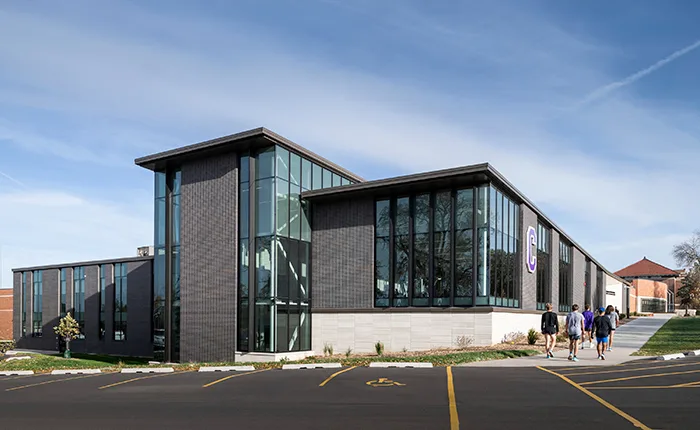
Mortenson. (Acc. 2026). Cornell College Richard and Norma Small Athletic and Wellness
Center (SAW). [Photograph]. Mortenson. https://www.mortenson.com/projects/cornell-college-richard-norma-saw-center
What mental health resources are offered at my college?
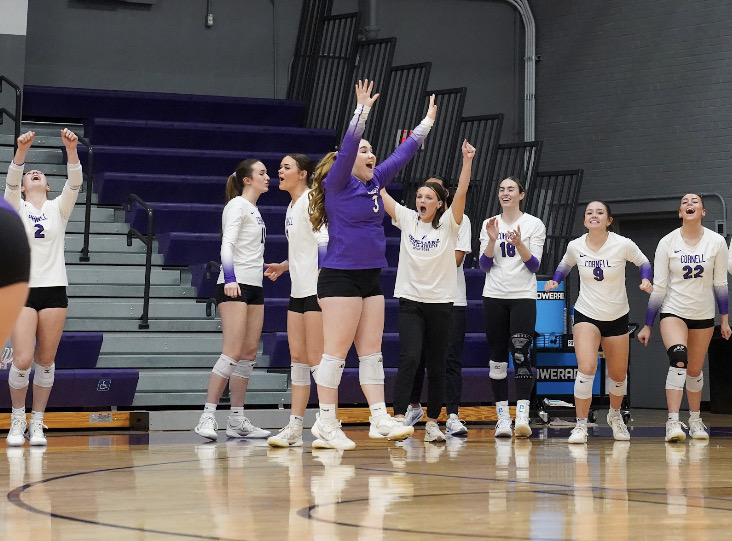
Finding a school that offers counseling services to students is something that I was really looking for in a school, and this is one of the great resources that is available to me at Cornell! The campus health center offers medical care and counseling services, which I’ve used often during my three years at Cornell. Additionally, on the Cornell volleyball team, we work with a sports psychologist during the season. In-season training and games are high-stress for athletes, and meeting with a sports psychologist helps us stay mentally strong and perform our best. According to research, only 10-23% of D2 and D3 schools provide access to a sports psychologist. If a college offers this support, it could be an important factor in your decision. Finally, the team culture has also made my experience at Cornell amazing. My teammates support each other on and off the court, which has been so positive for my mental health. When I was in high school, the negative team culture impacted my love of the sport and mental health. However, after playing at Cornell, I have been able to re-discover my love for volleyball, and I am in a much better place mentally. Not every Division III school will offer these same supports, but asking the right questions can help you evaluate what supports are available.
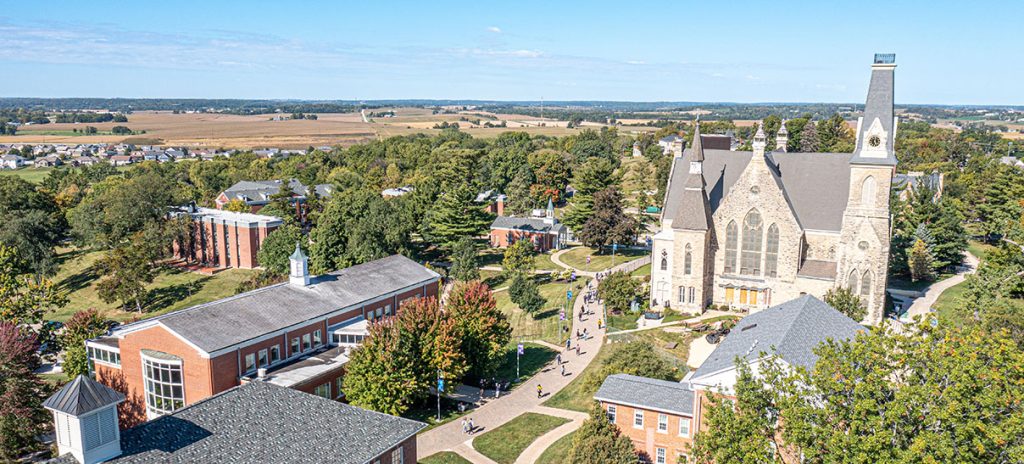
Cornell College. (2026). Where are We- Mount Vernon, IA. [Photograph]. Cornell College.
https://www.cornellcollege.edu/about-cornell/where-we-are/index.shtml
What questions should I ask coaches and players about mental health resources before making my decision?
When you have the chance to talk to the coaches who are recruiting you, this is an amazing time to ask questions about what resources will be offered if you decide to attend the school. Here are a few questions that I asked, and some questions I wish I had asked when I was looking for my college.
- Are there mental health services/ counseling provided on campus?
- How do you support your athletes off the court?
- What does the offseason look like? Are supports and resources still available to me during those times?
- Are there any sports psychologists on campus that the team works with?
In addition to asking coaches these questions, if you have the opportunity to talk to current players at the schools you are interested in, you should definitely take this time to ask them questions too! Here are some questions I would start with.
- Have you been able to find a good balance between prioritizing your school work and your sport?
- What is the culture like on the team?
- Do your coaches care about you as people and support you on and off the court?

Gavin, K. (2021, Jul 29). A Game- Changer for Mental Health: Sports Icons Open Up.
[Photograph]. Michigan Medicine: University of Michigan.
https://www.michiganmedicine.org/health-lab/game-changer-mental-health-sports-icons-
open
Other resources
Overall, there are a lot of different factors that you will need to take into consideration when trying to find a program and school that is good for you, and knowing what questions to ask is a good starting point to begin that journey. Finally, as the talk of mental health is becoming more normalized in our society, there are also a variety of resources that are available online for all student-athletes to access. Below are just a few specific resources that I have found particularly helpful, but so many more are out there. It’s all about trying it out and finding a good fit for you and your needs!