There is no doubt that NIL has changed college athletics. But now that we are a few years into it, a bigger question needs to be asked: Who is actually winning?
When NIL first started, it felt like every headline was about a quarterback signing a massive deal. Social media made it seem like everyone was cashing in. But when you look deeper, the reality is more layered than that. Not every school benefits the same. Not every sport benefits the same. And not every athlete is seeing life-changing money.
According to ESPN, the gap between Power 4 schools and Group of Five programs continues to grow, especially when it comes to recruiting resources and roster retention (ESPN). NIL is a major reason why. Schools with larger fan bases, stronger donor collectives, and more national exposure simply have more opportunities to offer athletes.
Power Conferences vs. Group of Five
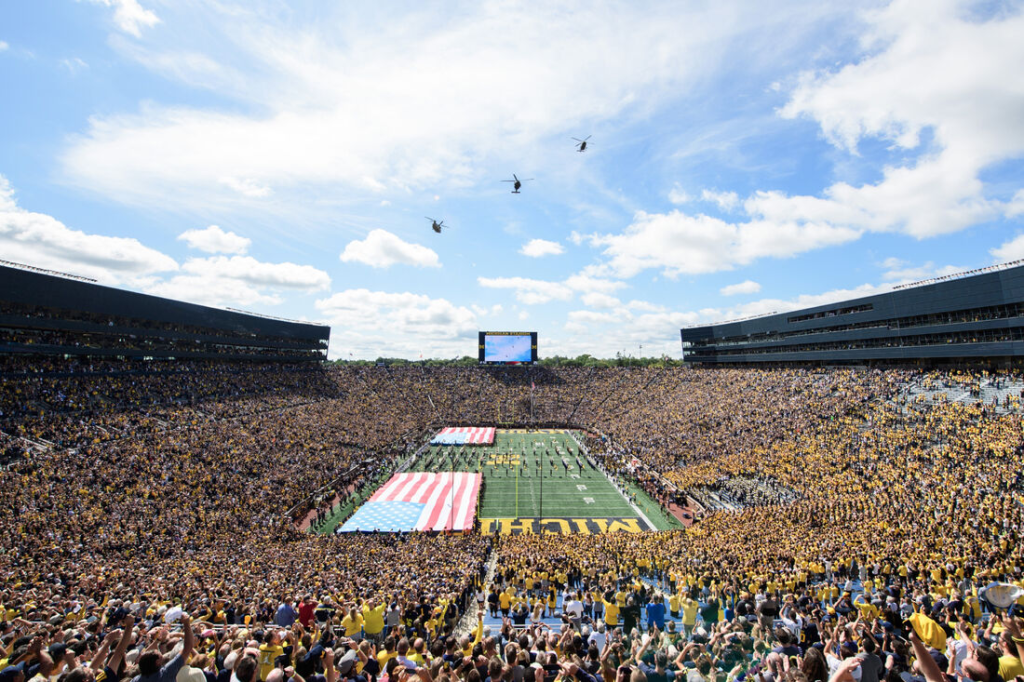
One of the biggest divides in NIL right now is between the Power conferences and the Group of Five. Schools in conferences like the SEC and Big Ten have larger media deals, bigger stadiums, and stronger booster networks. That naturally translates into stronger NIL collectives.
Yahoo Sports highlighted how Group of Five programs are struggling to keep up financially, especially when star players break out and attract interest from bigger schools (Yahoo Sports). A player can have a great season at a smaller school, and suddenly there are Power conference programs offering better exposure and stronger NIL opportunities. Before 2021, transferring for financial reasons was not really part of the conversation. Now it absolutely is.
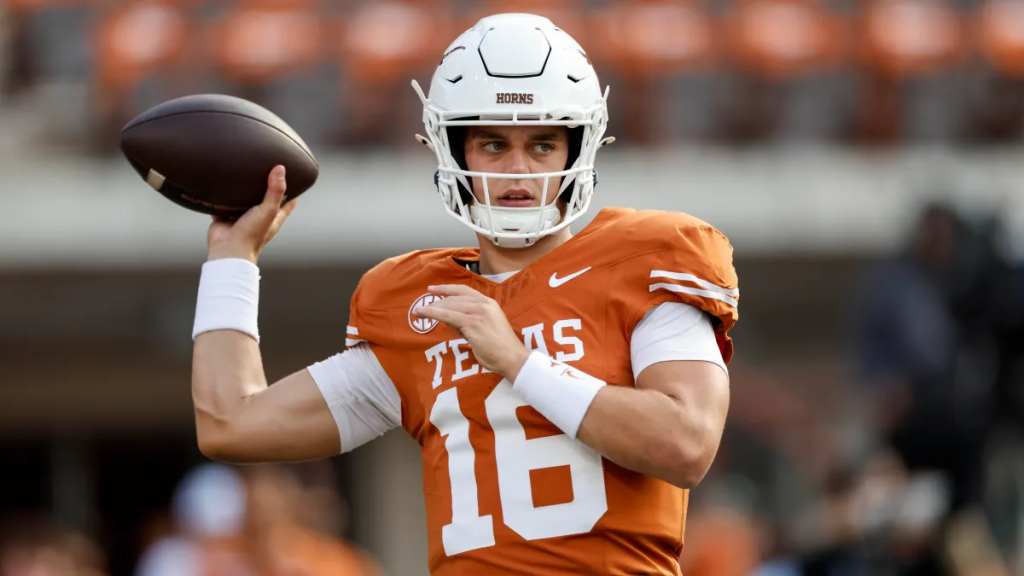
This does not mean Group of Five athletes cannot earn NIL deals. They can. But the scale is different. A Power 4 starting quarterback might sign six-figure endorsement deals. A standout player at a smaller program might partner with local businesses or run youth camps. Both are opportunities, but they are not equal.
Football and Men’s Basketball Dominate
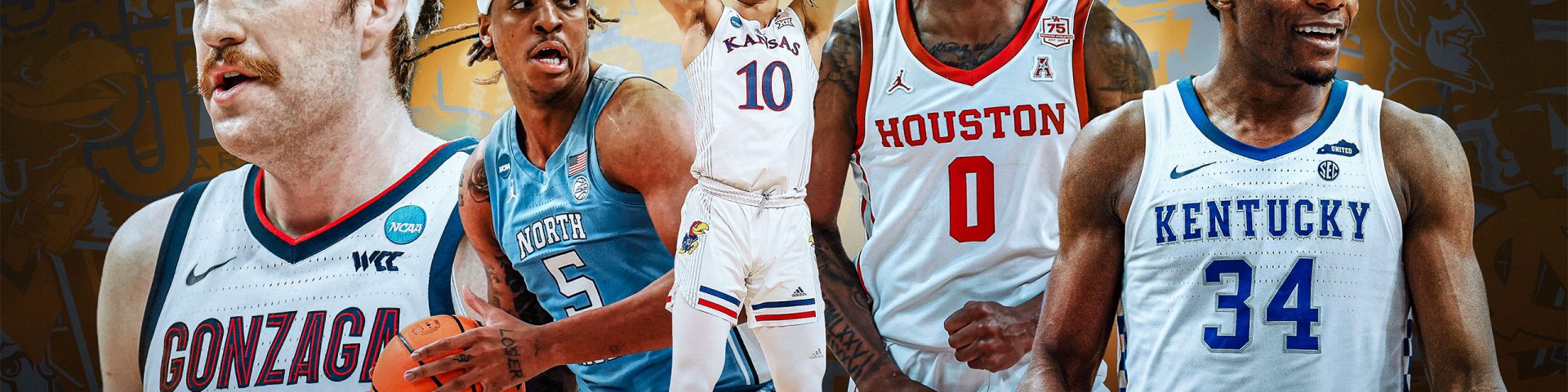
Another clear trend is which sports benefit the most. Football and men’s basketball drive the most revenue and receive the most media attention. That exposure matters when it comes to endorsements. USA Today discussed the broader compensation debate in college football, especially around championship-level programs and the money flowing through the sport (USA Today). When national championship games draw millions of viewers, those athletes naturally become more marketable.
It makes sense. Brands want visibility. They want athletes who are on national television and trending on social media. That is why quarterbacks, star wide receivers, and high-profile basketball players often land the biggest deals. However, that does not mean other sports have no opportunity. NIL is not just about on-field performance anymore. It is about brand.
Social Media Is the New Recruiting Tool
One thing that is often overlooked in NIL conversations is social media. According to Claire Bahn, NIL opportunities heavily depend on an athlete’s ability to build a personal brand and connect with audiences online (Claire Bahn). Engagement matters. Follower count matters. Personality matters. This is something that did not exist in recruiting conversations ten years ago.
Now, athletes think about market size, exposure, and branding when choosing a school. A larger market can mean more endorsement opportunities. A bigger fan base can mean more engagement. NIL is not just about how good you are. It is about how visible you are. That changes recruiting entirely.
The Reality for Most Athletes
There is a misconception that NIL means every college athlete is making serious money. That is simply not true.
Most athletes are not signing million-dollar deals. Many are partnering with local restaurants, car dealerships, training facilities, or apparel brands. For some, it might mean free gear. For others, a few paid posts on Instagram. The opportunity exists, but the scale depends on sport, school, exposure, and effort.
The bigger programs with national TV contracts and strong booster collectives are clearly positioned to win at a higher level. That is just reality. But NIL is not limited to those schools. Smaller programs still provide opportunities, just on a different level.
So Who Is Actually Winning?
Right now, the biggest winners in NIL are:
- Power conference programs with strong collectives
- Football and men’s basketball players at nationally ranked schools
- Athletes with strong social media presence and personal branding
- Programs in large media markets
But that does not mean others are losing. NIL has created opportunities that did not exist before 2021. Athletes can now profit from their work, their image, and their influence. That is a major shift in college athletics. However, the competitive balance conversation is real. When resources are uneven, opportunities are uneven. And that impacts recruiting, roster building, and long-term development.
From my perspective as a college athlete and someone who talks to recruits regularly, NIL is not just about money. It is about leverage. It is about options. It is about understanding your value beyond the field. NIL is not a guarantee. It is an opportunity. Some athletes will maximize it. Some programs will dominate it. And others will have to adapt.
College athletics is still adjusting to this new era. The headlines focus on the biggest deals, but the real story is more complex. If you are a recruit right now, the question should not just be “How much can I make?” It should be “Where can I develop, compete, and build something long-term?”
Because in the end, NIL might open the door but what you do with that opportunity still matters most.