Mental Health for Professional Athletes
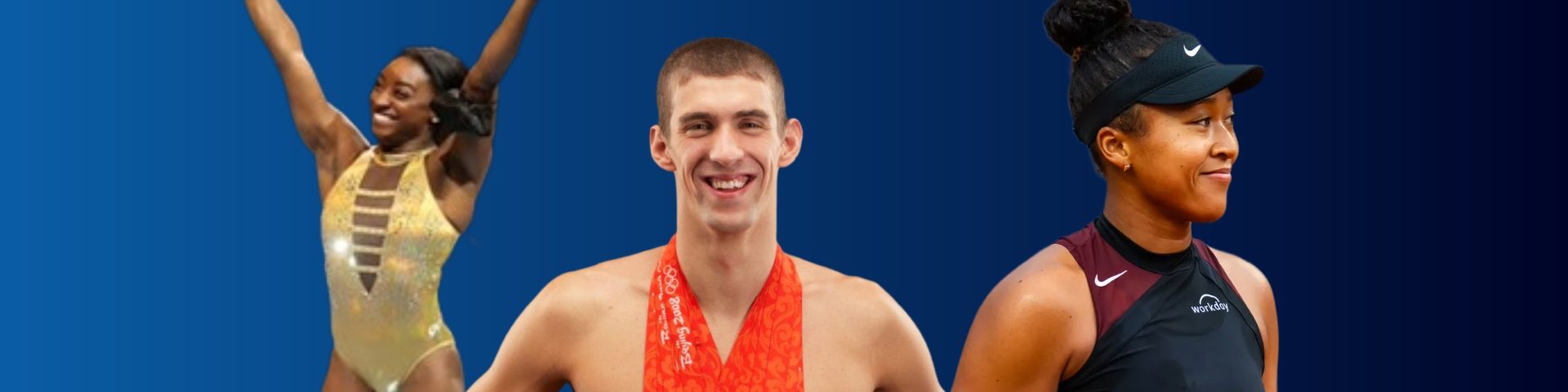
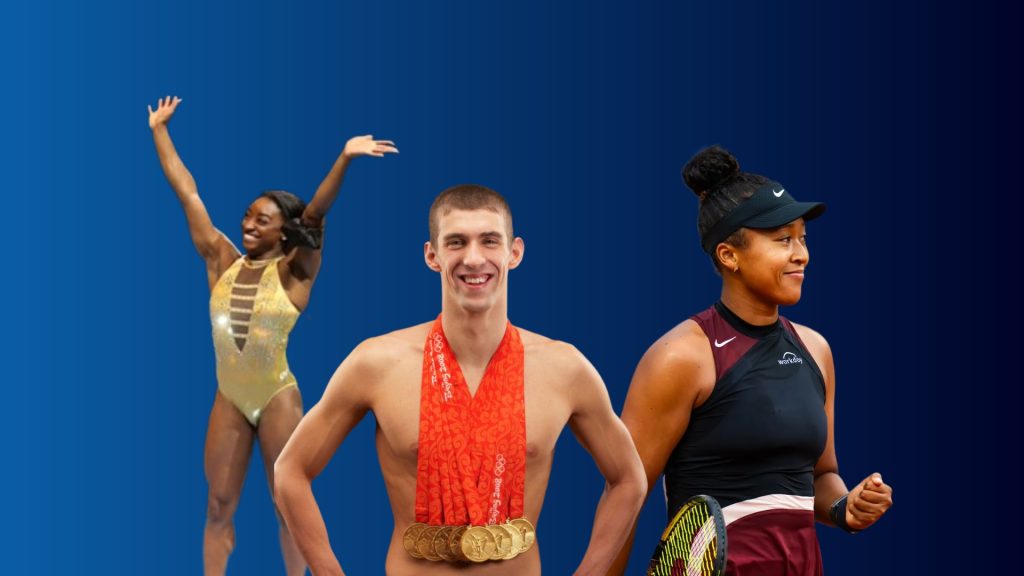
Mental health in athletics is a topic that has been receiving some much needed attention. Athletes at all levels have spoken out, including professional athletes. Michael Phelps, Naomi Osaka, and Simone Biles are among some of the most prevalent to have shared their stories. By sharing their stories, these athletes hope to the lessen the stigma surrounding athlete mental health. Below, I will dive into each of their stories and share the resources that helped them along the way.
Michael Phelps
Before Michael Phelps made his 2016 Olympic run in Rio de Janeiro, he publicly shared his mental health struggles. Phelps spoke about his battle with depression and suicidal thoughts, which he first began experiencing after his first gold medal win in 2004. He described experiencing what many people call post-Olympic depression and deep feeling of worthlessness. To battle these thoughts, Phelps took to self medicating with drugs and alcohol. He felt it was his only way to escape from his reality that he no longer wanted to be a part of. After putting on a brave face for years and hiding in silence, Phelps made the headlines when he was arrested and charged with a DUI in September of 2014.
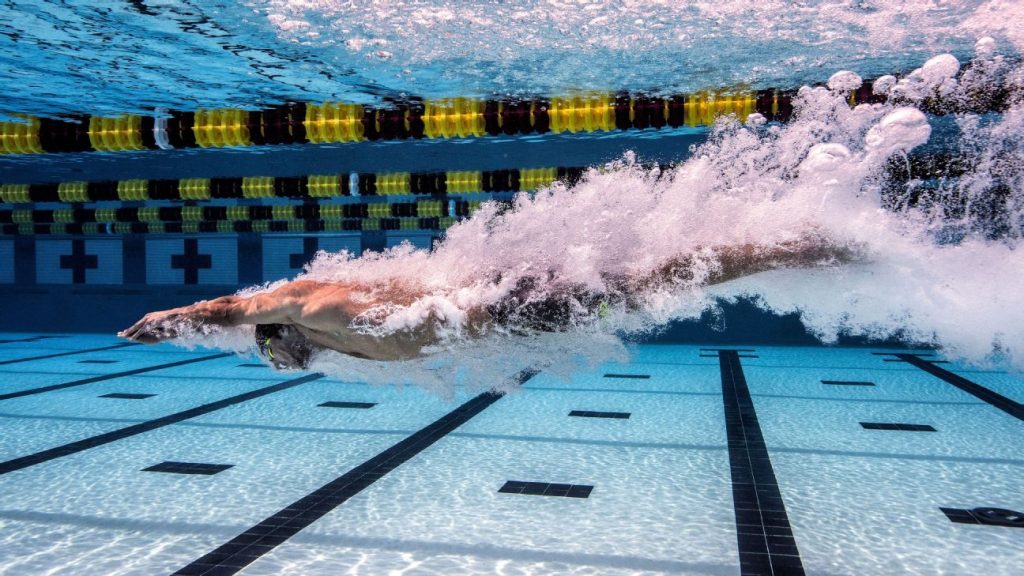
In October, Phelps checked himself into Meadows, a rehabilitation facility in Arizona. Though he initially struggles, he gradually opened up to other patients and therapists and began addressing his childhood trauma and mental health challenges. After 45 days, Phelps left the rehab facility with his condition much more manageable. In 2016, Phelps went on to compete in Rio and win 6 medals. However, he is the first to say that his battles with mental health are ongoing and will require treatment and work for the rest of his life. To stay on track, Phelps likes to keep a routine and prioritize a few specific things. He works out every morning, journals, writes positive affirmations to himself, and sees a therapist regularly. He also prioritizes giving himself more love and compassion and has come to realize there is nothing he needs to hide from.
Naomi Osaka
Naomi Osaka is another big name athlete that has publicly shared her mental health struggles. Osaka made the headlines in 2021 after refusing to speak to reporters after a match in the French Open. She stated that she was refraining from speaking in order to protect her mental health. Osaka believes subjecting athletes to post-match interviews is a bad practice. She said that oftentimes, they are “asked questions that bring doubt into our minds and I’m just no going to subject myself to people that doubt me.” This caused a lot of outrage, and Osaka was fined $15,000. She ultimately pulled out of the French Open and Wimbledon to focus on her mental health.

Brunskill, C. (2024, Aug 6). Everything Naomi Osaka Has Said About Her Mental Health. Self.
https://www.self.com/story/naomiosaka-mentalhealth#:~:text=Her%20self%2Dcare%20routine%20centers,really%20love%
20that%20about%20him.%E2%80%9D
Since this event, Naomi has spoken openly about the importance of a work-life balance in professional athletics. She has shared her struggles with depression and anxiety, helping to reduce stigma in sports culture that has not always felt safe for these conversation. Osaka shared that she receives professional help from a therapist, which she has said has been a huge game changer for her. She also practices journaling, makes time to put her phone away, and tries to find time to participate in low stress, leisurely activities. Finally, she said that her dog, Butta, has been very helpful in comforting her through tough times.
Simone Biles
During the 2020 Tokyo Olympics, Simone Biles shocked the world by withdrawing from the competition. Biles was the leading gymnast, and favored to win the gold medal, so her withdrawal came as a surprise to many. Biles spoke out and shared that she was suffering from the twisties. In the gymnastics world, the twisties are a mental block that causes the athlete to lose their sense of space and direction while they are in the air completing a trick. Biles opened up about the fear this instilled in her and how she felt it was no longer safe for her to try to push through and compete. Unfortunately, her decision received a lot of backlash and criticism, especially since she has been referred to as the Greatest of All Time (GOAT) in gymnastics.
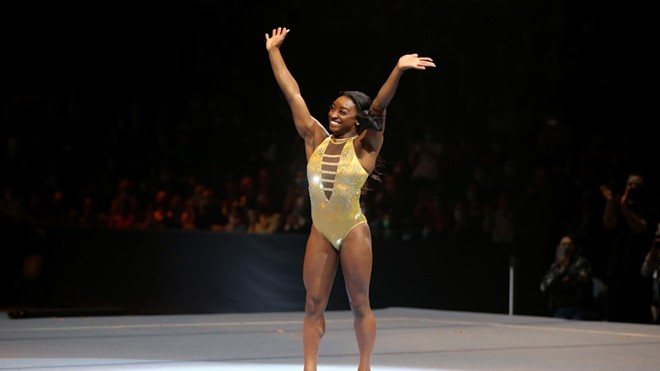
In response to this criticism Biles stated “We have to protect our body and our mind … It just sucks when you’re fighting with your own head.” By taking a stand, Biles has helped to change the face of mental health for professional athletes. She has also been very open about her treatment and the resources she has used during her struggles. Biles explained that working with a therapist has been very helpful for her, and she has now collaborated with the mental health app called Cerebral. This mobile therapy app has helped her manage her condition while on the road with her busy livelihood. Her biggest piece of advice has been to utilize the support systems you have around you and that it’s okay to not be okay.
What Does This Mean For the Future of Athletics?
Although there’s still much progress that needs to be done in lessening the stigma surrounding athlete mental health, when professional athletes like these speak out, the athletic community is taking a step forward. Hopefully, athletes speaking out and sharing their stories will continue to become commonplace in athletics at all levels. If you related to any of these stories, just know you are not alone. For more mental health resources and informations, check out these articles!
Morgan’s Message: What is it and How Can I Get Involved?
Mental Health Resources For Athletes: What Should I Look For In a School?