For most high school athletes, the “ideal path” feels obvious: commit to a four-year NCAA school. That’s the dream right? Go D1. But what if that isn’t the best starting point for everyone? What if junior college (JUCO) isn’t a fallback, but a strategy?
With eligibility standards and transfer rules constantly evolving, understanding the JUCO route is more important than ever. Let’s break it down clearly.
What is JUCO?
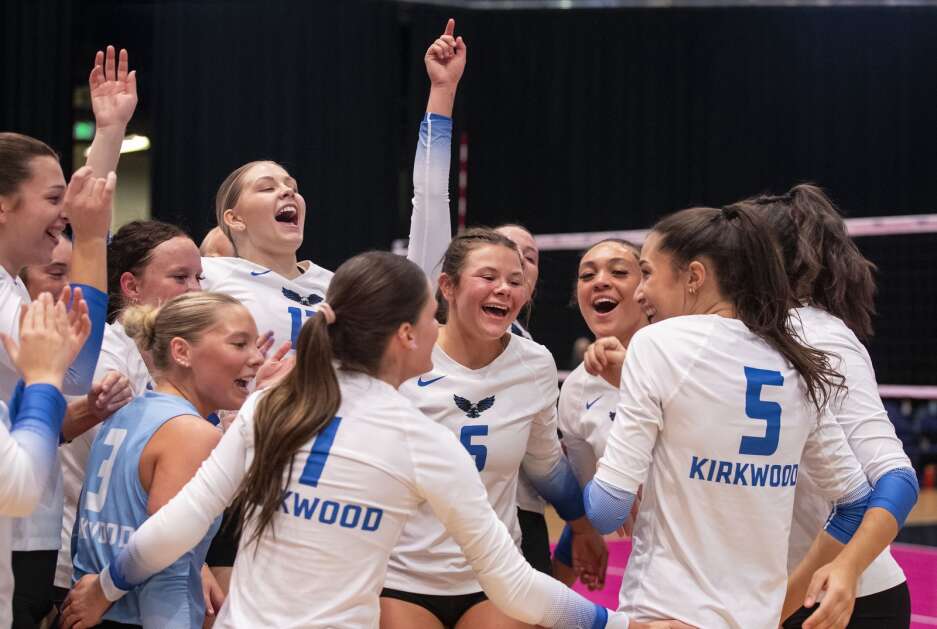
JUCO refers to junior college athletics governed by the National Junior College Athletic Association (NJCAA), not the NCAA. Junior colleges are typically two year schools. Many JUCOs offer athletic scholarships and like NCAA have competitive opportunities across different divisions.
According to the NJCAA’s official eligibility guidelines, student-athletes (D1 & D2) must:
- Graduate high school or earn equivalent credentials
- Maintain academic progress to remain eligible
- Enroll full time
How Is NCAA Different?
Four-year college athletics are governed by the National Collegiate Athletic Association (NCAA). Each division has different scholarship models and eligibility requirements. For high school athletes, one of the biggest differences is initial eligibility.
The NCAA Eligibility Center requires Division I and II athletes to meet specific academic benchmarks, including:
- Core course requirements
- Minimum GPA standards
- Academic certification before competition
This is a little more strict the NJCAA, which can be a limitation for some students. Division III schools do not use the NCAA Eligibility Center for initial academic certification in the same way, but they have academic standard that vary per institution.
JUCO vs. NCAA Out of High School
Academic Path
NCAA (D1/D2):
Athletes must meet NCAA academic standards immediately to compete.
JUCO:
Provides an opportunity to improve GPA or complete transferable credits before transferring to a four-year institution.
However, (and this part is important) transferring from JUCO to an NCAA school still requires meeting NCAA academic transfer requirements. The NCAA outlines specific rules for two-year college transfers, including credit-hour and GPA standards. JUCO is not a shortcut around eligibility, it is a different timeline.
Athletic Development
NCAA programs, especially at Division I schools, often have larger rosters and more intense competition for playing time.
JUCO programs can offer:
- More immediate playing opportunities
- Increased game film for recruiting
- Faster development for athletes not physically ready for D1 competition
For some athletes, two years of consistent competition at the JUCO level can increase recruiting interest from four-year programs.
Scholarships & Cost
Cost is often a major factor. Junior colleges are typically less expensive than four-year institutions, which can make them financially appealing. For some athletes, that development and financial decision is very intentional. A close friend of mine, a current high school athlete, recently chose the JUCO route to begin her college career next year. When explaining her decision, she put it simply:
“I wanted to play right away and not be pushed aside. I wanted real coaching from the start. JUCO meant smaller team sizes, more training, and honestly – free college to play, not expensive college to sit on the bench.”’
Her perspective reinforces an important idea: for many athletes, JUCO isn’t about settling. It’s about prioritizing opportunity, growth, and financial clarity from the start.
How JUCO to NCAA Transfers Work
If you start at a junior college and plan to transfer to an NCAA school, the process is more structured than a lot of people realize. According to the NCAA’s official Two-Year College Transfer Guide, moving from a JUCO to a Division I or Division II program requires meeting specific academic, credit-hour, and eligibility standards, not just performing well enough in your sport to get recruited.
To compete immediately after transferring, athletes have to earn a required number of transferable credits, meet minimum GPA standards, and demonstrate progress toward a degree. The exact requirements vary depending on what division you are transferring to and whether you were considered a “qualifier” or “non-qualifier” coming out of high school. That high school academic status still matters. JUCO does not really erase your original eligibility, it continues to builds on it.
Another important factor is coursework. Not all classes automatically transfer to four-year institutions. If you take the wrong classes or fall short on credit requirements, you may not be able to compete right away. That’s why academic planning at the JUCO level is critical. Meeting regularly with advisors and confirming that they transfer right correctly and doing this early can prevent setbacks later.
To compete right away at an NCAA school, athletes must also be in good academic standing at their junior college and receive proper certification through the NCAA Eligibility Center. If any requirement is not met, you may be required to sit out or delay competition.
The biggest takeaway? JUCO is not a shortcut around eligibility, it’s a structured path that makes the most sense for some athletes. If your goal is to move from JUCO to an NCAA program, planning early and staying academically focused is just as important as your performance on the field or court.
Pros of Starting at JUCO
- Immediate playing time
- Academic reset opportunity
- Physical development
- Lower cost
- Potential scholarships
For some athletes, JUCO provides confidence and exposure that wasn’t available straight out of high school.
Cons of Starting at JUCO
- Only two years before needing to transfer
- More recruiting pressure after
- Academic transfer complications
- Less long-term campus stability
Because junior college is typically a two-year path, athletes must plan their next move relatively quickly.
Is JUCO a Step Down?

No.
It’s just a different strategy. Many athletes move from JUCO to Division I, II, or III programs after developing academically and athletically. The key question isn’t: “Which is better (or more impressive)?” It’s: “Which gives me the best chance to grow?”
Questions to Ask Before Choosing JUCO or NCAA
- Am I academically eligible for the NCAA right now?
- Do I need more development time physically?
- Is playing time my top priority?
- Am I prepared to transfer again in two years?
- Have I reviewed official eligibility rules on NJCAA and NCAA websites?
Choosing between JUCO and NCAA should be intentional, not reactive. There isn’t one “correct” starting point in college athletics. There’s only the path that aligns with your long-term goals, athletically, academically, and professionally.