
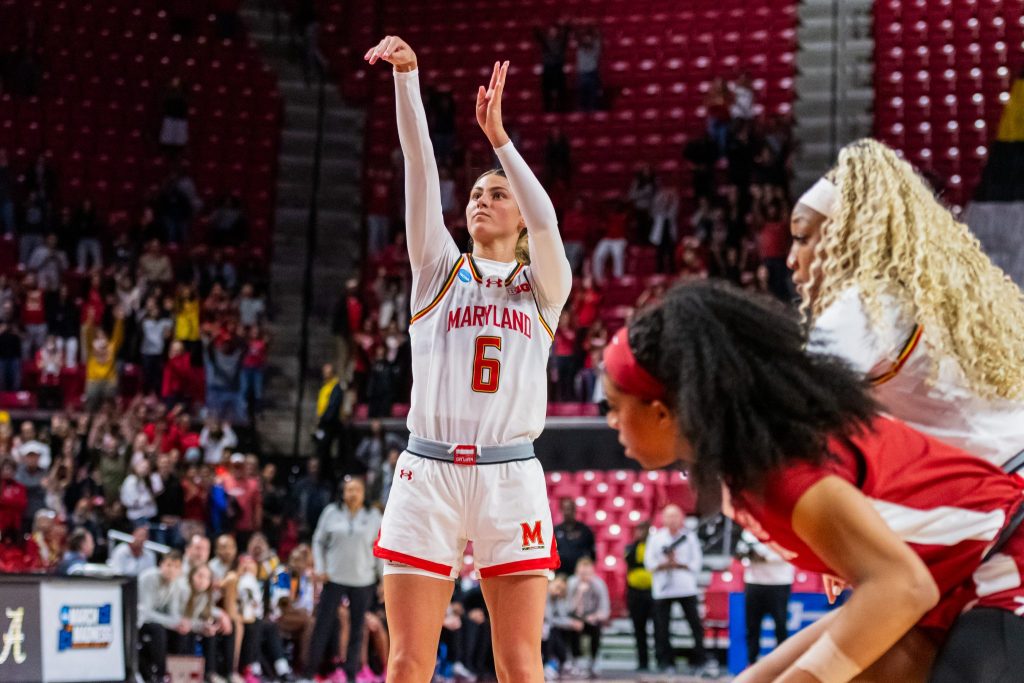
If you have spent any time around college athletics, you have probably heard the term redshirt. But what does it actually mean and how does it impact a student-athlete’s career?
Essentially, redshirting is a decision that allows a college athlete to extend their eligibility. Under NCAA rules, usually Division I athletes have five calendar years to compete in their four seasons of competition. So that means an athlete can sit out one season to keep a year of eligibility. Simply, you practice with the team, train, and get better, but you don’t compete in any official competition that season.
So Why Would an Athlete Redshirt?
It usually is not just about “not being good enough.” In many situations, it is about long-term development.
- Physical Development
The transition from high school to college sports is significant. Competition level increases dramatically, so a redshirt year can give athletes time to build physically and adjust to the new pace and level of the game.
- Deep Roster
Sometimes the certain position on the team is stacked. Instead of using a year of eligibility to sit on the bench, coaches may suggest redshirting so they can contribute to the team more later in their time.
- Academic Transition
Balancing college courses with practice, lift, travel, and competition can be very overwhelming. A redshirt year can provide time and space to adapt to the academic challenges before competitive pressure is added on top of that.
- Injury (Medical Redshirt)
If an athlete goes through a season-ending injury early enough in the season, they could qualify for a medical hardship waiver, often called a medical redshirt. In the newest rules, to qualify the injury must occur before the athlete has participated in more than a limited percentage of competitions in that season. This varies based on sports but there are formal rules based on percent of competition dates and time in the season.
Important Football Redshirt Rules Change
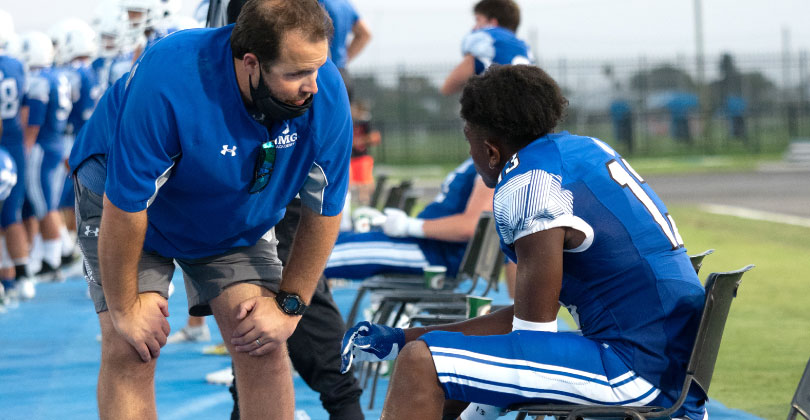
Redshirt rules have changed over time. Most notable in Division I football, as of 2018, athletes can now compete in up to four games in a season and still be able to redshirt. This really gives coaches more flexibility and allows them to use freshmen strategically without costing them a whole season of eligibility. Understanding the sport-specific rules is important because they can vary by sport and by division.
What Redshirting Means for You
Redshirting can feel complicated and emotional. Some people see it as a setback, while others see it as an opportunity. It really is neither good nor bad, it is usually strategic.
A redshirt year can:
- Extend your career
- Increase your physical readiness
- Improve your academic performance
- Increase your impact in your program
The Bigger Picture
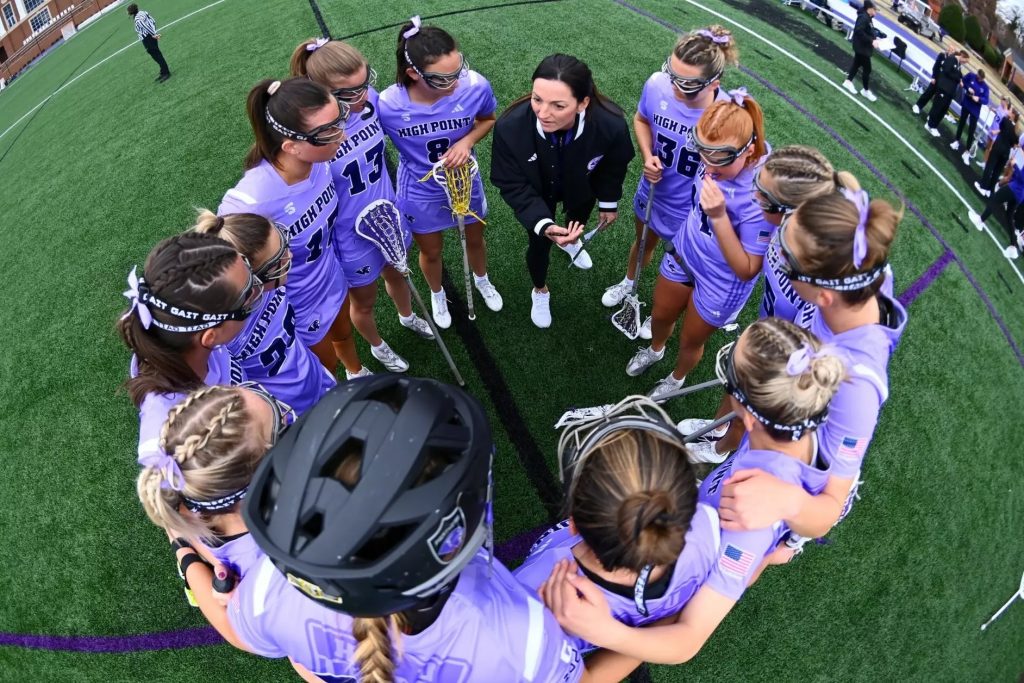
College athletics is really about growth, not instant results. Reshirting is a tool that programs use to support team growth, alongside NIL opportunities, transfer portal decisions, academic planning, and mental health resources. The biggest takeaway is to understand your eligibility, ask questions, and make informed decisions.
At Level the Playing Field, our goal is to give you the information you need so you can advocate for yourself with confidence.