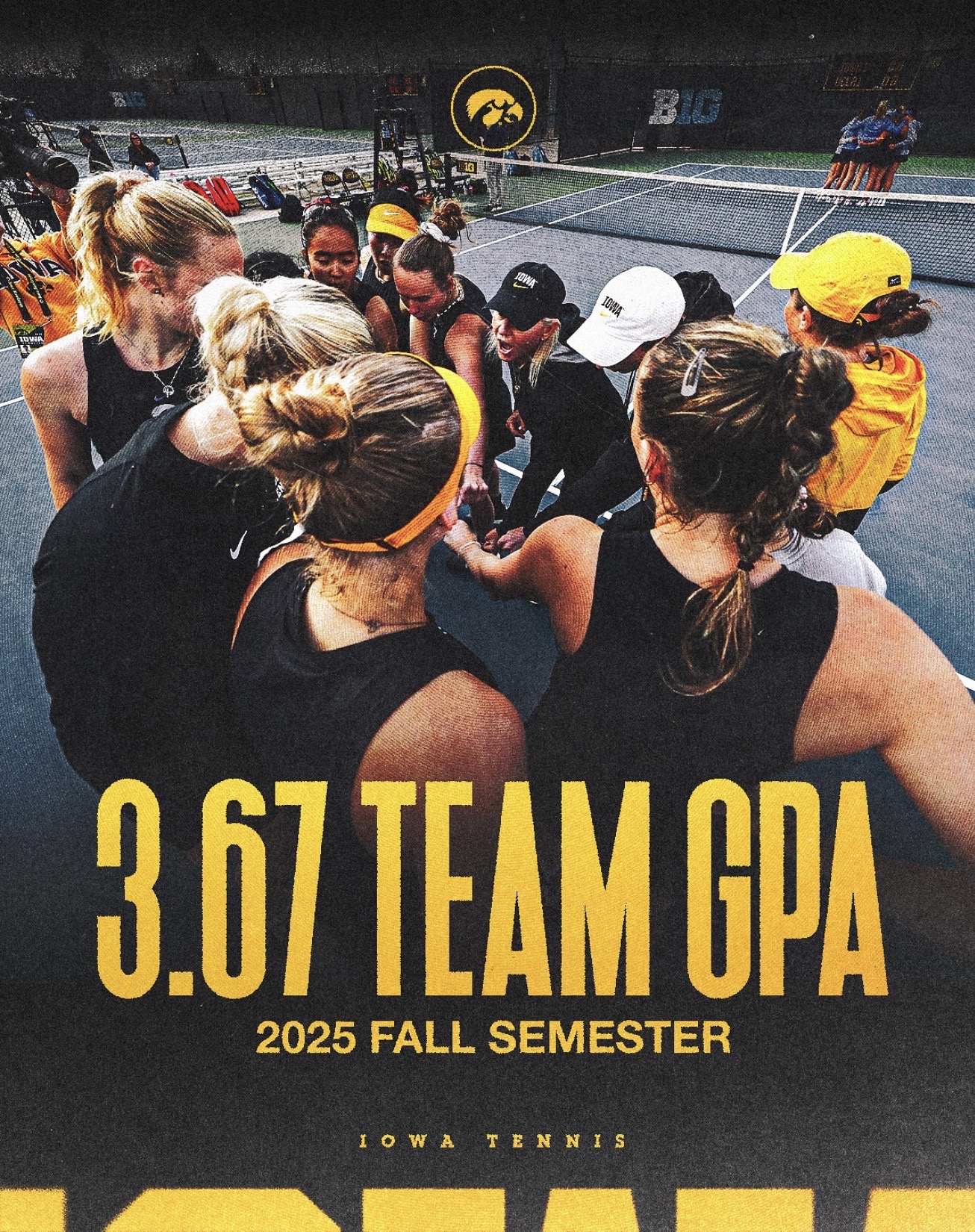
D1 and D2 Academic Resources
It’s no secret that playing a college sport can sometimes interfere with academic achievement. So how do successful student-athletes balance their work? It’s because of the academic resources they are offered. It’s important to note that almost every athletic program holds their athletes to different standards when it comes to academics. For many D1 programs, athletes are offered a lot of academic guidance. This is because these programs have more money to fund a better support system for the athletes. In some cases this has to do with specifically targeted academic programming; in fact, former Drake volleyball player Elle Tubbs said that their team had a minimum number of study hall hours they had to complete each week based on their GPA. They also had to meet with their advisor once every month.
So why is it so important to be in good academic standing as a student athlete? The NCAA requires a minimum GPA of 2.3 for D1 programs and a 2.2 for D2 programs. Individual programs and teams may also set different expectations of achieving a higher GPA. It’s important for college teams to have a clear set of academic expectations, as athletes have to miss class due to travel or competition days. Having a strong academic resources for athletes is crucial. Team study tables provide a designated time for athletes to catch up on missed work, or a traveling tutor can help support the team on away trips.
D3 Academic Resources
At a smaller college or Division III school athletes may not have the luxury of getting this much academic support. The NCAA doesn’t even have a guideline for the minimum GPA an athlete must obtain when competing at the D3 level. So how can these athletes stay motivated in classes? The short answer is: through self motivation and accountability.
Individual D3 institutions may have their own set of rules regarding GPA as student athletes. When starting at a new school it is important to find a routine early to set yourself up for success. This way when when you are in the busiest part of the season you can stay on top of classes. Ways to find success in academics include:
Find a time that works best for you to get homework done.
As a D3 athlete myself, I focus on getting work done over lunch or at any free time I find during the day because it is always hard for me to focus on class work after practice as I am normally pretty tired. Finding a time of day to get work done that aligns with your schedule is crucial in being a student athlete because you’ll almost always have something to do with your sport daily. My roommate, for example, finds it easier to focus in the morning so she wakes up early to work on homework.

Find a nice place where you can get homework done.
I find it easy to focus on homework in the library. It is quiet with comfy seating. However, everyone is different and I know that some of my teammates need background noise to work so they may work with friends or at the lounge area in our athletic facility.

Find people in your classes that you are able to study with.
It can get boring studying alone. When you find people in your class you can work with, it makes it easier to stay motivated. Study buddies keep you on track! They also can offer help and support when balancing school and academics.
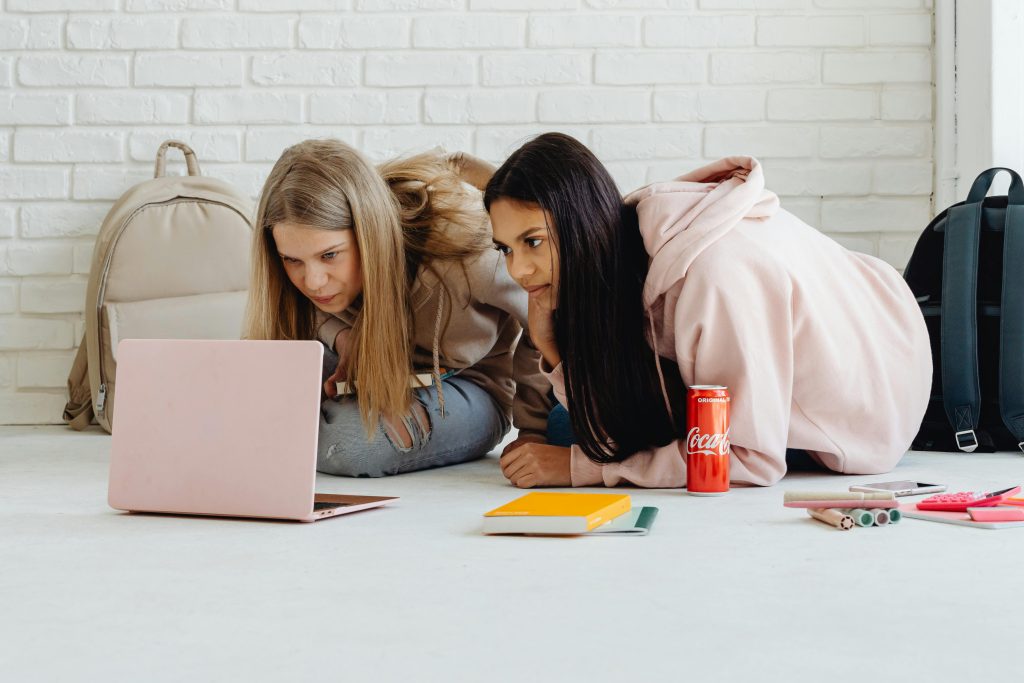
Coaches at the D3 level may check in every once in while to ask how classes are going. At the end of the day it’s up to the student to stay on track with their classes. If student athletes aren’t in good academic standing, they could face repercussions like being suspended from the team or having playing time taken away. Many college coaches will make expectations clear at the beginning of the season, and it’s important to take that seriously. Remember–you are in school to get a degree and you can not play your sport forever, so it’s important to take academics seriously to support your career after college.
Wow this article was very informative!