Camila Vázquez Marrero
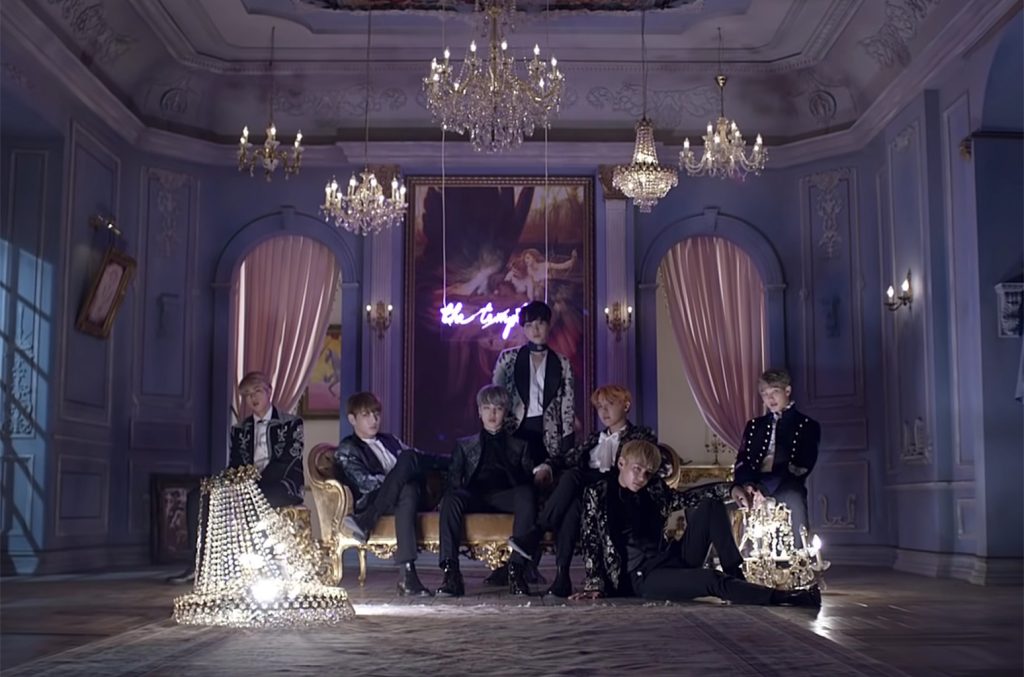
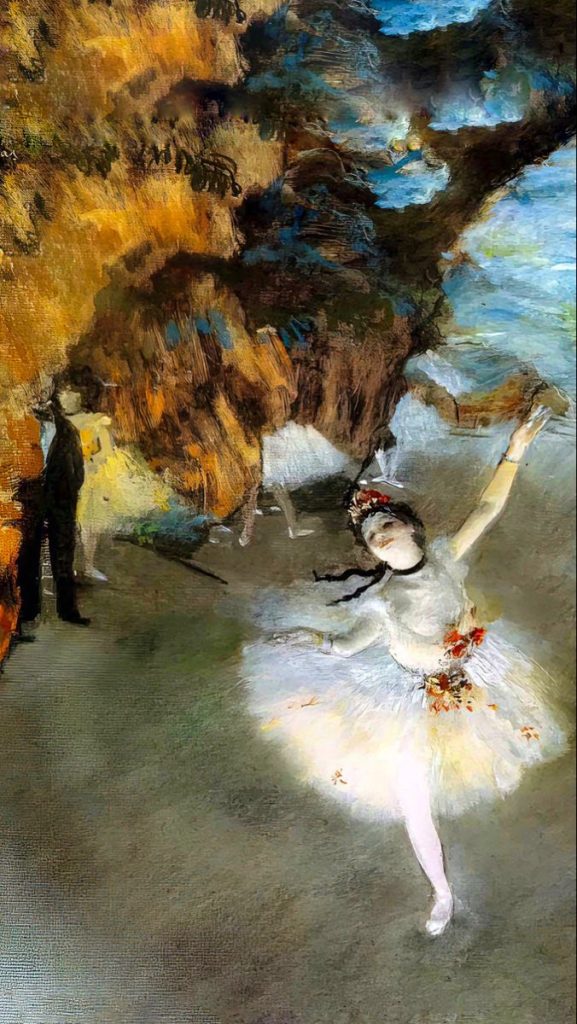
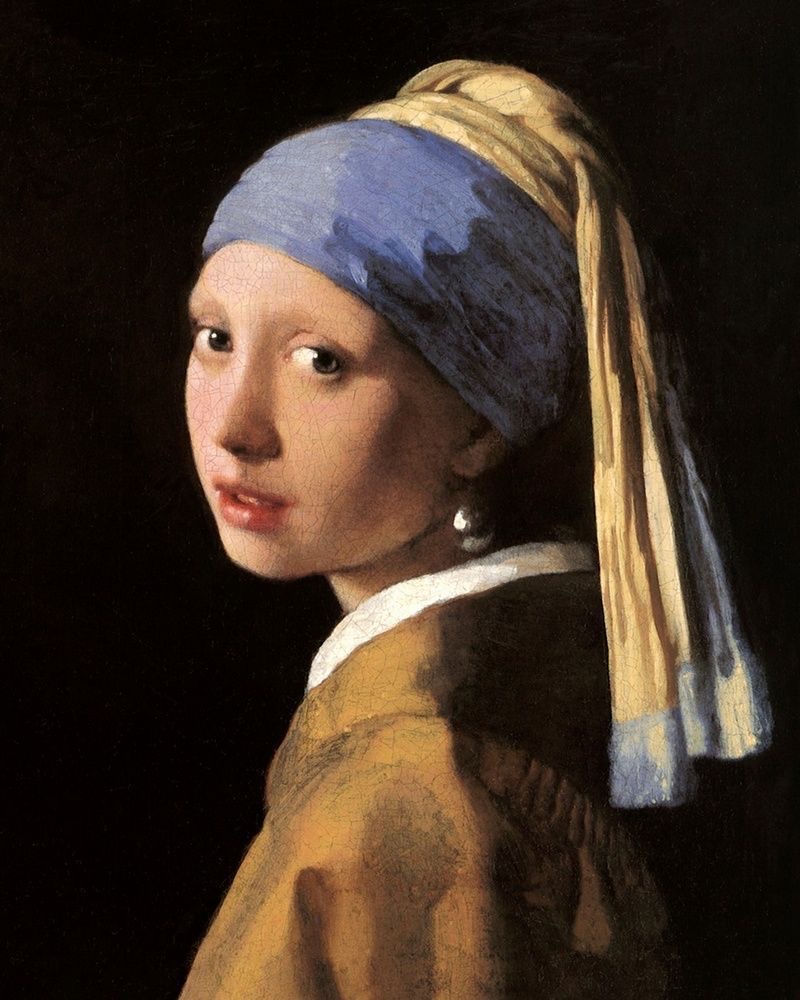
BTS’s “Blood Sweat & Tears” is a music video brimming with artistic and literary references, rich in history and visuals. When we watch this video closely, we realize that, in a way, it functions as a moving art exhibition. Released in 2016 and making part of the album WINGS, this music video (MV) combines paintings, sculptures, religious references, literature, and mythology to weave a story about desire, temptation, and the loss of innocence. The aesthetic is opulent and surreal; each element contributes to a narrative about what it means to grow up and to face, for the first time, experiences that reshape our identity.
Demian and the Discovery of a New Identity
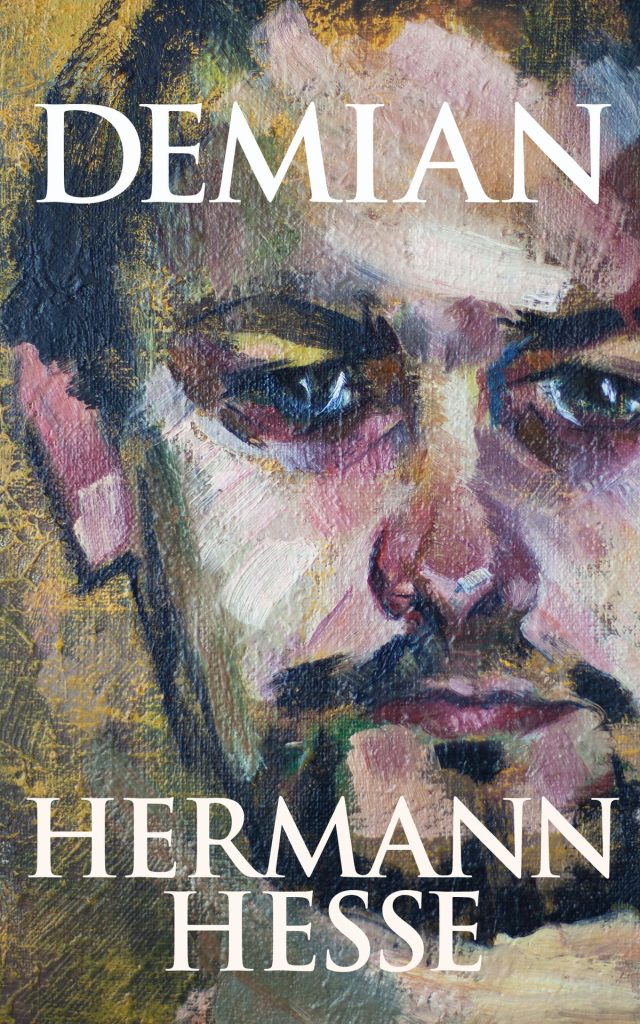
The video’s story is based on Hermann Hesse’s “Demian”, a novel that explores the coming-of-age journey of a young man. Emil Sinclair begins to question traditional ideas about good and evil. For Sinclair, becoming an adult means confronting his own darkness and discovering an identity that doesn’t always align with others’ expectations.
This collection is one of the most important literary references in “Blood Sweat & Tears.” Throughout the video, the members are surrounded by contradictory images: angels and demons, light and darkness, innocence and sensuality, beauty and destruction; rather than presenting these forces as opposites, they blend them together. Midway through the video, Kim Namjoon (RM) reads an excerpt from “Demian”. “He, too, was a tempter; he, too, was a link to the second world, the evil world with which I no longer wanted to have anything to do.” At this moment, the reference becomes a direct part of the video’s narrative. The question posed by the novel, what happens when that which tempts us is also part of the process of discovering who we are?, becomes the central question of “Blood Sweat & Tears”.
The Fall of the Rebel Angels: When Innocence Falls
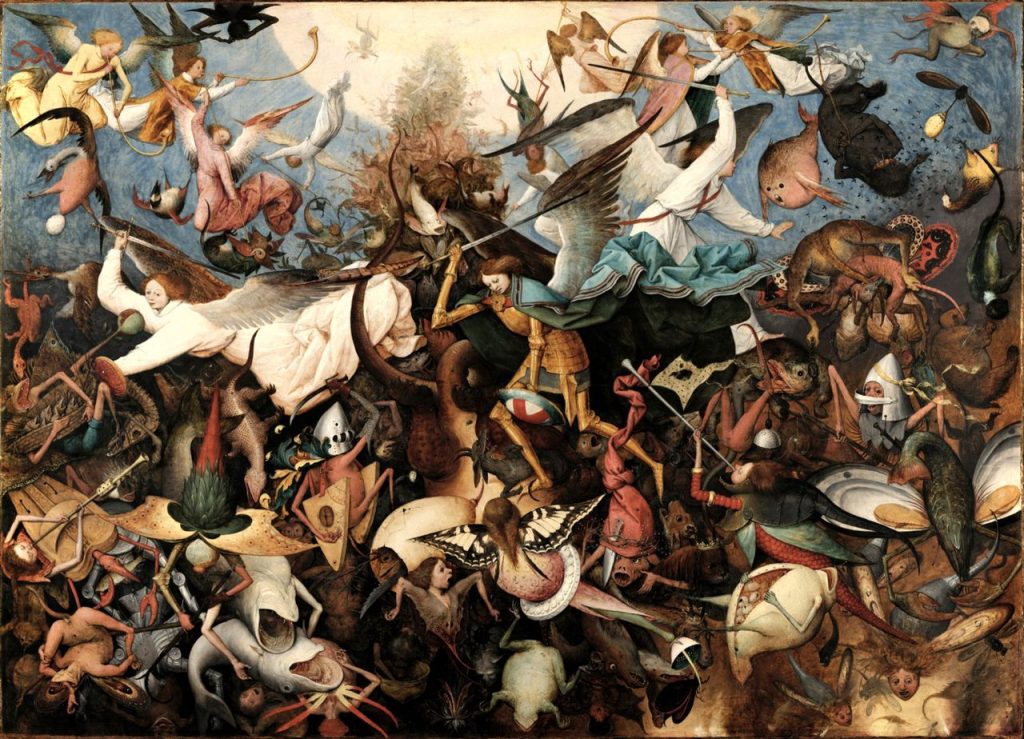
One of the first works to appear in the video is “The Fall of the Rebel Angels” by Pieter Bruegel the Elder. Jin is shown looking at this painting at the beginning of the video. Angels are often depicted as symbols of purity, protection, and divinity. However, in the painting, these beings have been cast out of heaven and become symbols of rebellion and the fall. Through this image, we can anticipate what will happen later in the music video: just as the angels abandon their heavenly state, the boys leave behind a stage of innocence.
Furthermore, this painting introduces us to an important concept in the video: Falling does not necessarily mean dying; it can also mean changing. Jin is not just looking at a painting; he is contemplating a representation of what can happen when someone crosses the boundary between innocence and experience.
Landscape with the Fall of Icarus: The Desire to Fly Too High
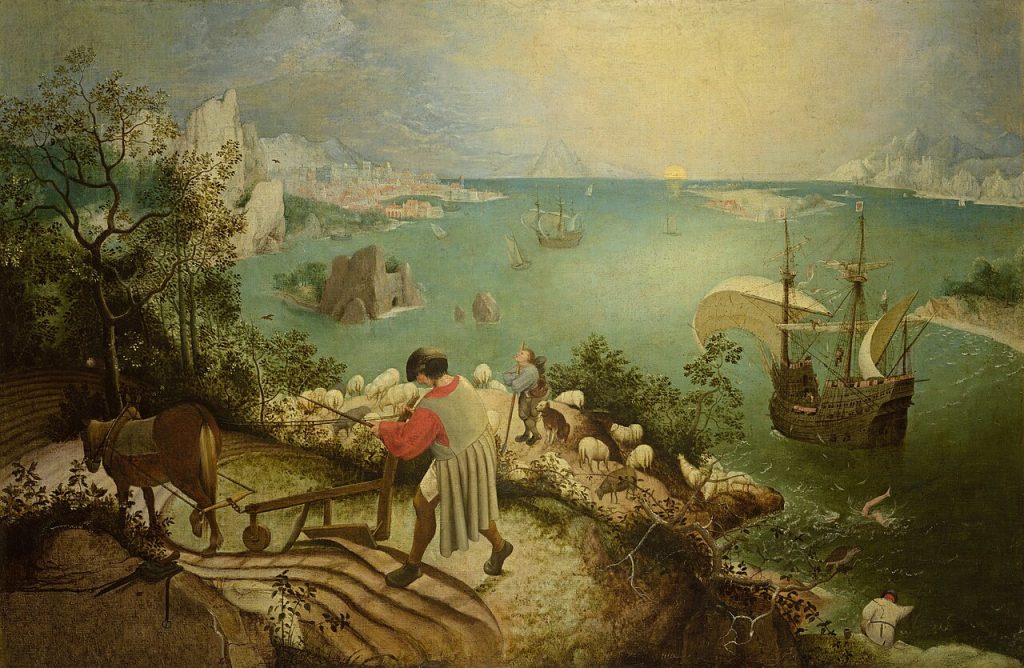
Another work by Pieter Bruegel the Elder is “Landscape with the Fall of Icarus”. The story of Icarus comes from Greek mythology. Daedalus builds wings for him and warns him not to fly too close to the sun. However, Icarus lets himself be carried away by his desire to fly and ends up falling when the heat melts his wings. Like Icarus, Taehyung (V) finds himself facing something that represents both freedom and danger. His leap is a symbolic representation of surrendering completely to temptation. V’s fall depicts the moment when a person stops observing the danger from afar and decides to experience it for themselves.
The desire is so intense that the members are willing to give themselves over to it completely. Like Icarus, they are aware that it is a risk, but the desire to get closer is stronger than the fear of falling.
The Lament for Icarus: The Price of Temptation
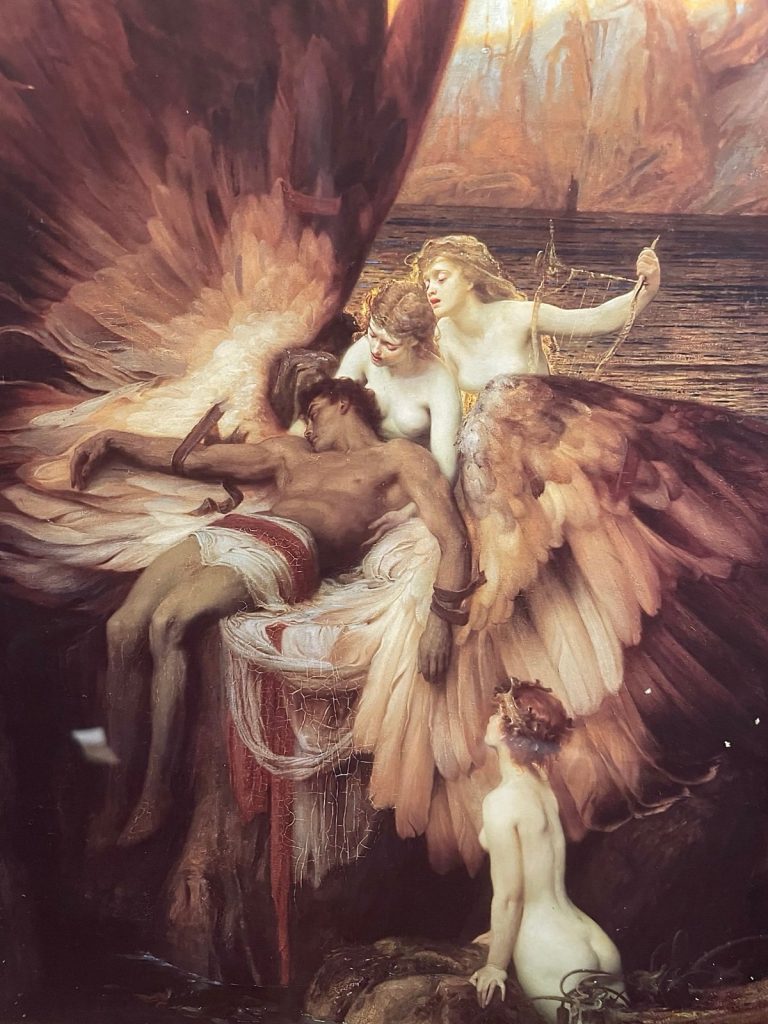
Icarus reappears in Herbert James Draper’s “The Lament for Icarus”. Unlike Bruegel, Draper depicts Icarus from an emotional perspective, focusing his work on Icarus’s body and the figures mourning his death. This difference allows us to observe two important aspects of temptation. Bruegel depicts the fall as an event within a world that carries on, while Draper depicts the emotional consequences of that fall.
BTS uses this reference to show that desire has two sides: while it can bring pleasure and excitement, it can also cause suffering. We see this directly in the song’s title. Blood represents pain and sacrifice, sweat represents effort and dedication, and tears represent emotional suffering.
The Pietà: Beauty, Pain, and Sacrifice
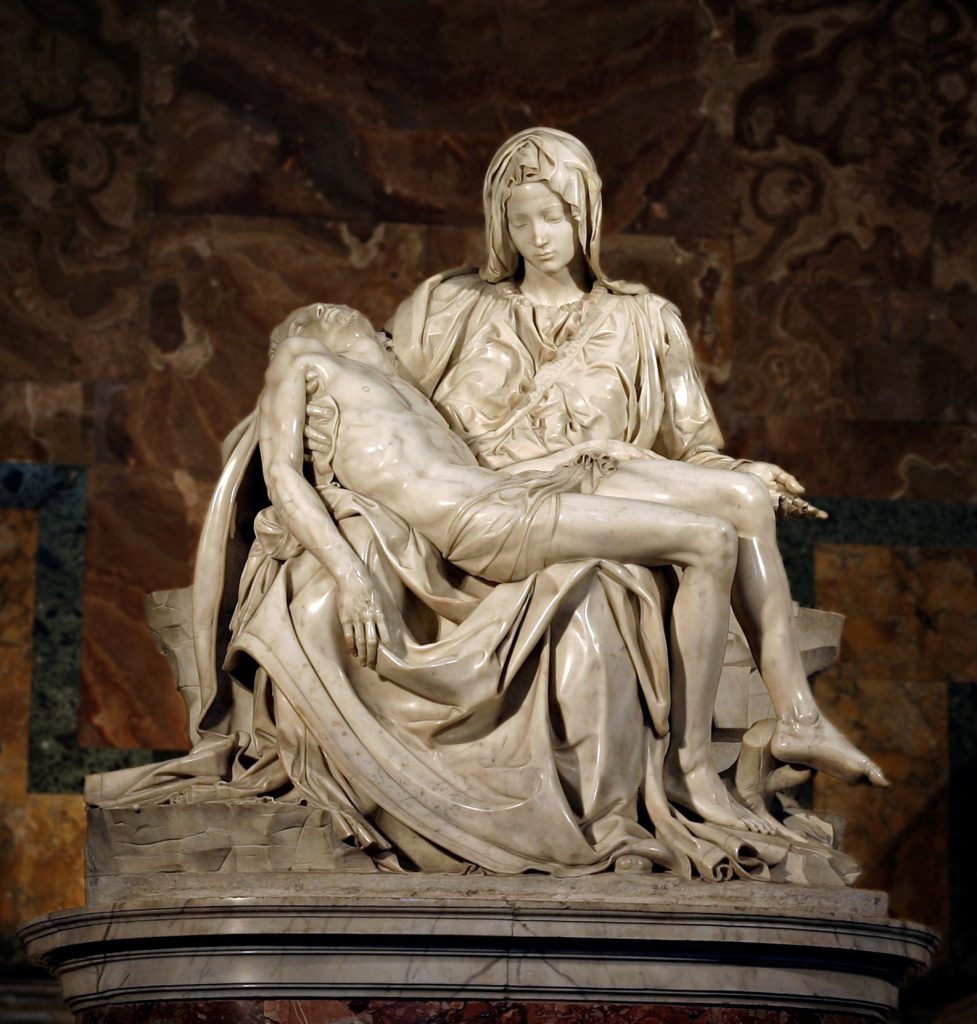
Michelangelo’s Pietà is a sculpture depicting the Virgin Mary holding the body of Jesus Christ after his crucifixion. This work introduces a new dimension to the concept of sacrifice. While Icarus represents the danger of ambition and the fall, the Pietà represents the pain caused by loss and sacrifice. The song portrays love as something for which a person is willing to sacrifice themselves. The beauty of the Pietà creates a contradiction that we can see throughout the music video. A deeply painful scene can be profoundly beautiful, just as temptation can be dangerous yet utterly alluring.
The Last Supper: Shared Desire and Conflict
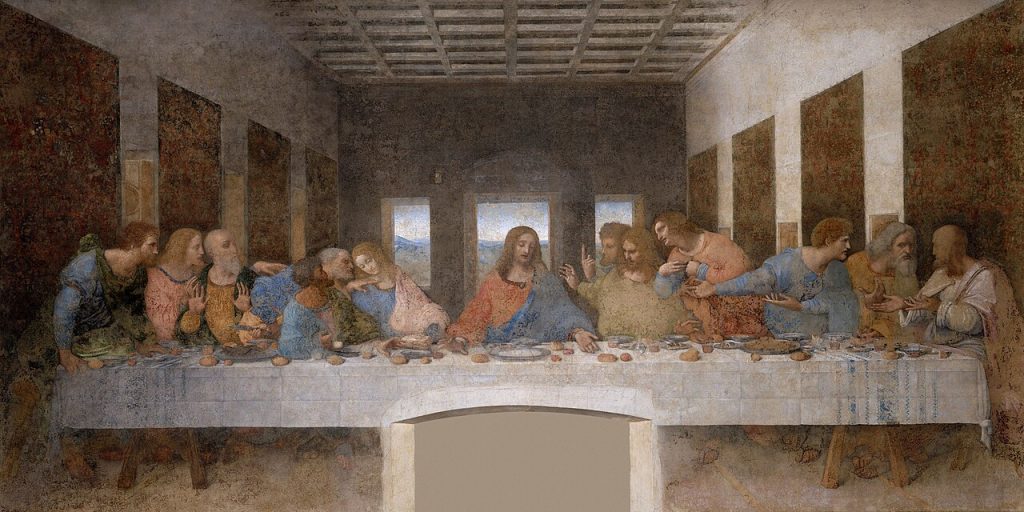
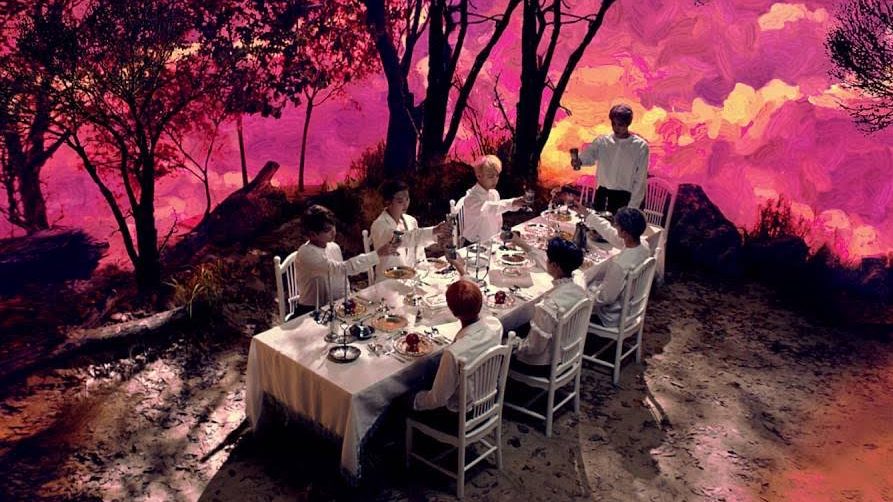
One of the most recognizable scenes in the music video is a composition reminiscent of Leonardo da Vinci’s “The Last Supper”. In the painting, Jesus is at the center, surrounded by his disciples in the moments leading up to his betrayal and crucifixion. The scene is charged with tension because the viewer knows that something tragic is about to happen. The similar composition used by BTS builds anticipation. Rather than directly depicting the biblical scene, they transform the image by relating it to desire, youth, and temptation. It also reinforces the concept of sacrifice present in the song.
Conclusion: A Museum of Temptation
“Blood Sweat & Tears” functions as a complete work of art. Drawing on literary and artistic works to create an audiovisual narrative about the transition from innocence to experience, with each work of art representing a part of that process. The video suggests that falling, suffering, and confronting our desires are necessary experiences for discovering who we are. Growing up means being willing to lose a part of who you were in order to discover who you can become.