Ah, nonfiction. The often forgotten side of reading. But, why? Not because there is any less that readers can gain from it. While fiction may teach vague yet powerful lessons that may be applicable at one point in time or many, rarely do they have the specificity and nuanced understanding of the world that they inhabit that comes with living in that world all one’s life. A fictional world might captivate a reader, but when the reader inevitably wants to know more about it, all they can do is imagine. But when something is left out of a story about an existing culture, they can turn to more stories and other writings on that culture. They can always learn more.
Nonfiction reading is simply an intimidating venture. I would be willing to bet that most of us did not grow up reading nonfiction as we read fiction, and I would bet that those who did did so in a manner similar to yours truly, limited to simply flipping through travel guides looking at maps and pictures of far-off landscapes and cityscapes. The type of readings that will get focus in this article will be more akin to traditional novels. However, even these types of more heady and dense nonfiction reading need not be so intimidating. This article will give you several ways to view nonfiction reading as it is, which is simply more reading!
Before we get into some recommendations, I think it is important to define the two types of nonfiction readings that this article will focus on by both their structure and their goals as pieces of literature. These are; expository nonfiction and narrative nonfiction. If you’re looking to start in someplace more familiar, narrative nonfiction will be just the place. It has many of the same trappings as traditional fiction, including narrative direction (as the name suggests), character development, order of events, and story structure, with little of the dry presentation of something like a textbook.
Narrative Nonfiction:
We can separate narrative nonfiction even further into three groups. These groups can be quite similar but still have their important differences. Memoirs focus on a certain time within the writer’s life, usually one of particular note in the context of the rest of their life, whereas autobiographies will chart the course of the writer’s life up to the point at which they wrote the story, and (this part can get confusing, so pay close attention) biographies are a study by the author of someone else’s life. Here are some recommendations:
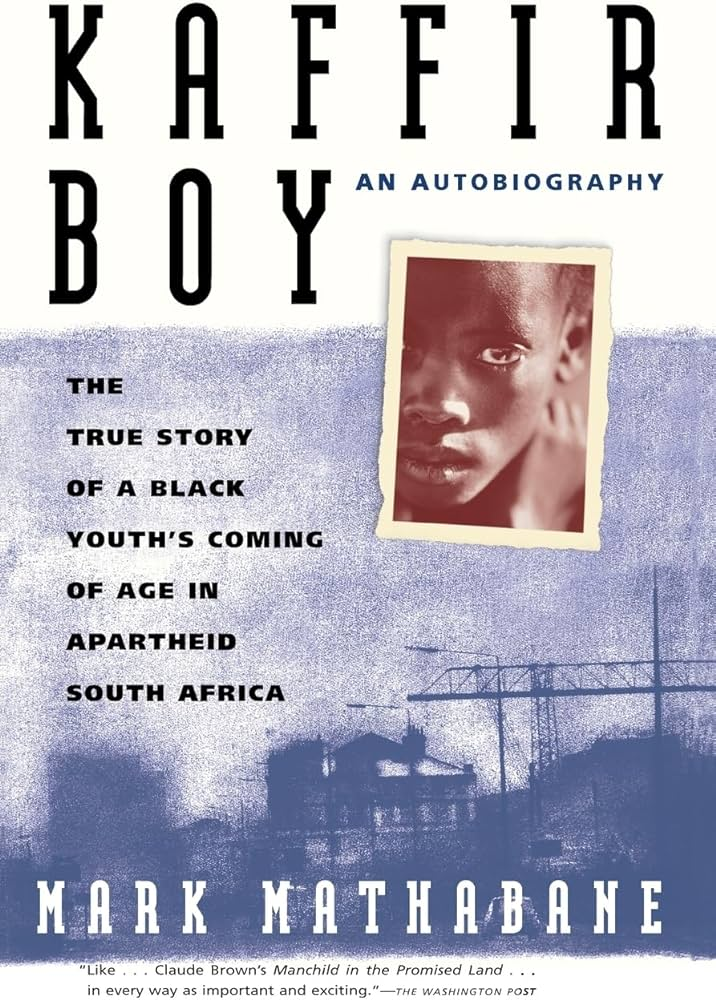
- Kaffir Boy by Mark Mathabane; an autobiography about Mathabane’s life under the apartheid system in South Africa
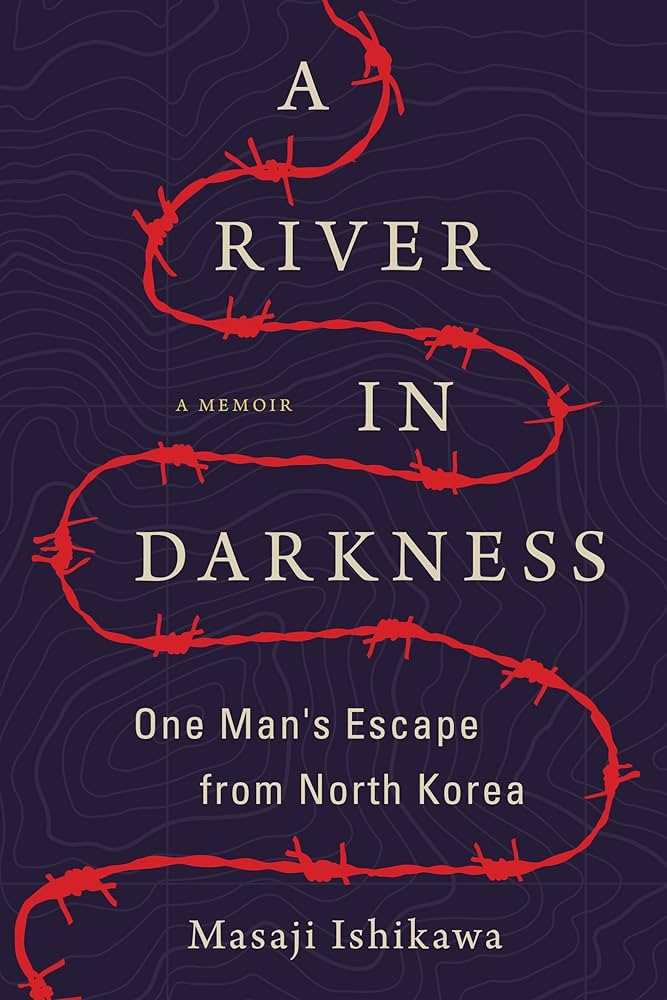
- A River in Darkness by Masaji Ishikawa; a memoir about Ishikawa’s experience growing up in and escaping from North Korea
- A Beautiful Mind by Sylvia Nasar; a biography looking into the life of schizophrenic mathematician and economist John Nash
Expository Nonfiction:
Expostory nonfiction is more for those who want to dive straight into the deep end, so to speak. It can have some sense of narrative direction, particularly if it is charting the events of a study, although this can be seen as having elements of both narrative and expository nonfiction (if something like that is interesting to you, I’d recommend Wild Dog Dreaming by Deborah Bird Rose, which explores the human role in the current mass extinction event, or Braiding Sweetgrass by Robin Wall Kimmerer, which blends Western and Indigenous knowledge to explore humanity’s relationship with nature). True expository nonfiction, however, does not tell any story in the traditional sense. Rather, they can act as anything from a guidebook on the likes of travel, cooking, and even parenting, to a stand-up routine.
From here, the most important piece of advice I can give about reading expository nonfiction is to start with what you already have an interest in. With that in mind, some recommendations:
History:
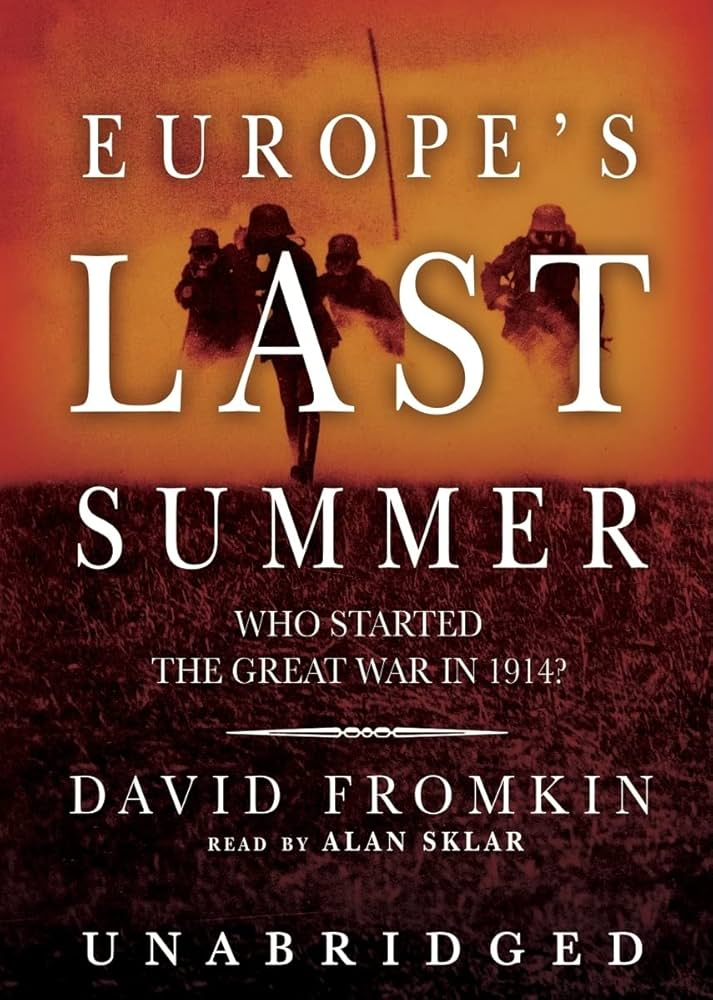
- Europe’s Last Summer by David Fromkin; a look into the events surrounding the beginning of the First World War
Philosophy:
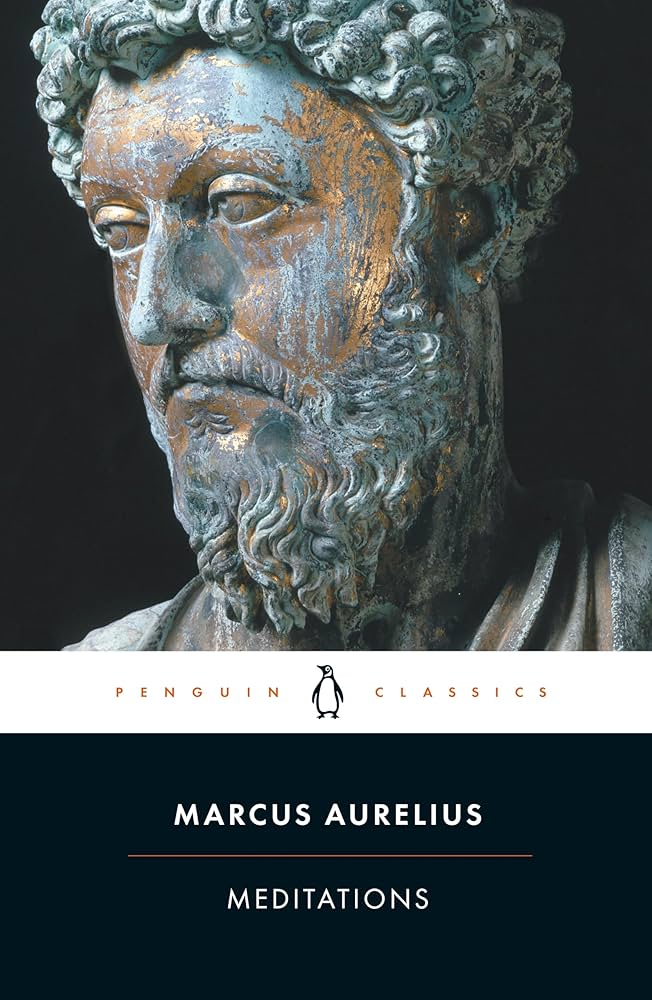
- Meditations by Marcus Aurelius; a series of private, spiritual, and philosophical writings that is surprisingly readable even almost two thousand years after it was written
Politics:
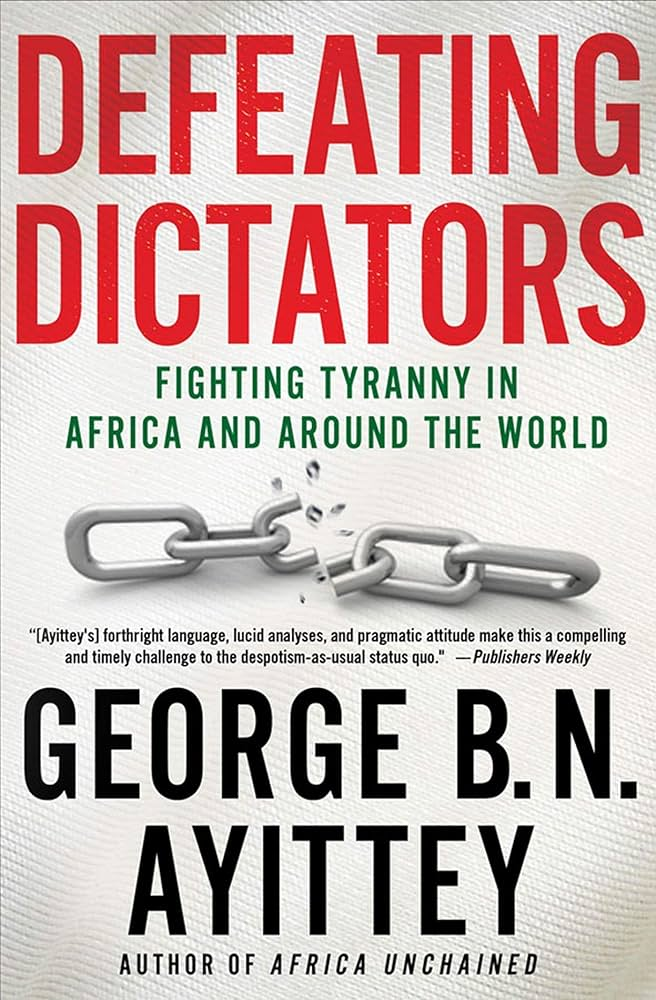
- Defeating Dictators by George Ayittey; the White House advisor on Africa provides an honest exploration of the fight against dictatorship, with special focus on Africa
Comedy:
- Assassination Vacation by Sarah Vowell; perhaps this one could also fall under politics, but Vowell’s writing makes it more of a comedy as she looks at the commercialization of presidential assassinations in the US
Final Advice:
Of course, there are any number of genres and subgenres that I have not covered here. To make up for that however, I have some last words of advice. Firstly, audiobooks are your best friend, apart from maybe yours truly. If you can listen to a book effectively while doing something, not only is it far more efficient, but it can also take some of the tedium out of whatever else you’re doing, whether that is cleaning, driving, or even nothing.
Secondly, and this applies especially to expository nonfiction, don’t think that you have to finish every book that you start. I know, this sounds so incredibly counter-intuitive, but many expository books are divided into sections similar to fictional chapter books. The difference is that you don’t have to have read all the previous chapters to understand the later ones. If certain information interests you, you can look through that section for the information, and then stop reading. If you enjoy these books, or have recommendation of your own, let us know in the comments
Leave a Reply