

Let’s Say…
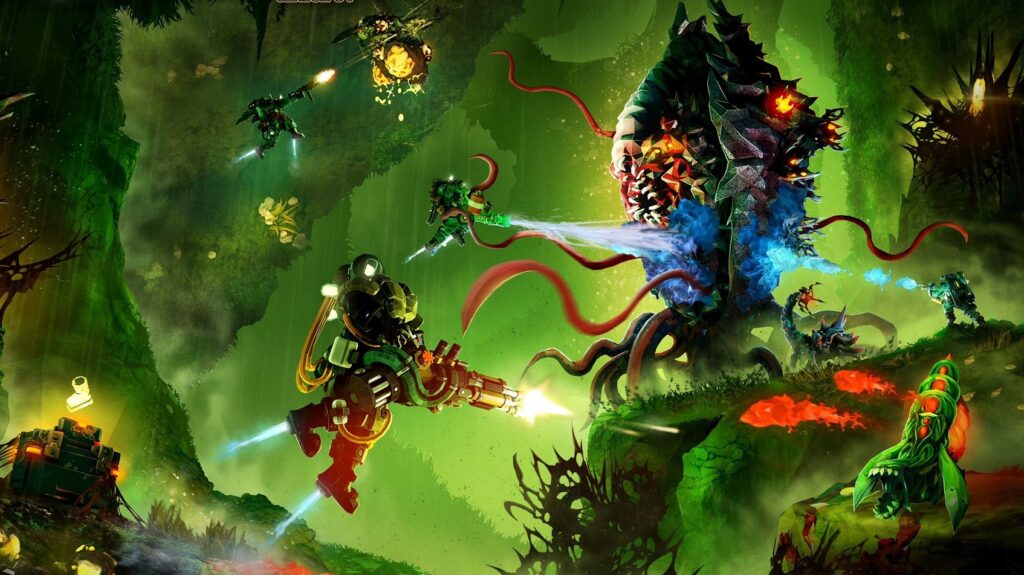
You are on a simple, short mission in the caves of an alien planet for some resource–you can’t remember which one after so many missions–when you see something that frustrates you. On the ground is a patch of Rockpox, an annoying hazard that infects, traps, and damages you. Many things can cause it to appear, but there’s only one thing you can think of that leaves small batches of it by itself. You look around the randomly generated caves before you see it–the Lithophage Corruptor, a monolith of rock that crawls around flaking around Rockpox. It’s not actively attacking you, so you can leave it alone and navigate the Rockpox. It’s a dangerous opponent that’s a pain to deal with solo, but it drops goodies that increase experience points and kills all the Rockpox when it dies. You make the choice.
Credit: https://www.mobygames.com/game/49034/cut-the-rope/screenshots/android/618594/
Player Procedure?
I encountered this scenario during a run of Deep Rock Galactic, a game where the Dwarves of Deep Rock Galactic mine the caves of Hoxxes IV while facing the dangers of alien life. I chose to fight the Corruptor, because I figured it would cause more problems for Deep Rock Galactic if I left it. The Rockpox is a threat, so we should fight it where we can. I know it’s a game and running won’t hurt anyone, but I got immersed in the world. Once I completed a mission while playing a character that I felt wasn’t ready for the Corruptor. I won the level, but I felt bad for not wanting to fight it. I needed to tell myself that it was only a game and I could do whatever I wanted. But that’s one of the points of video games. You can play it however you want.
Choice
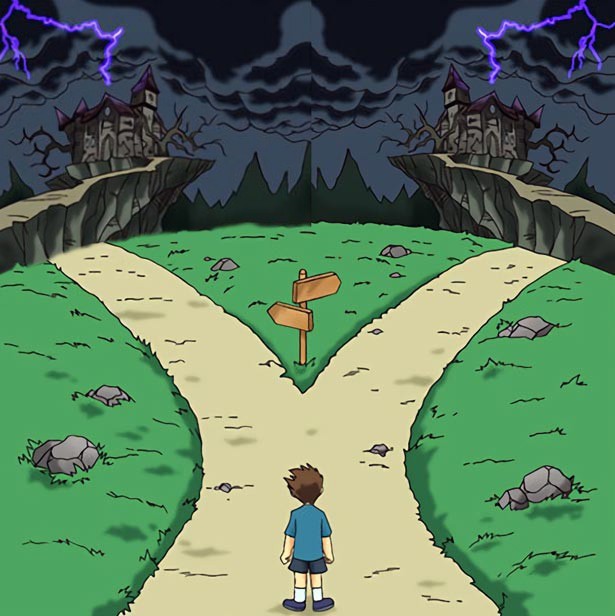
It’s not only the best part of being a real person, but it’s a key component in many video games. When you play a game, you are the one who chooses how you would react to specific scenarios. Let’s say you read a horror novel where a small group of college graduates are out in a house next to the lake with no one nearby, with a monster stalking them. One character may hear a growling animal and decide to investigate. “What were you thinking, you #^@%*!?” you say to yourself when this soul meets the danger and dies. “Why didn’t you call animal control or NOT GO THERE!?” You can’t control this guy’s fate, but what if you could make the choice for him? In a video game where this occurred, you could make the choice to not investigate the noise. In games like this one you may earn other endings. Sure, there are quite a few times where you have to make dumb choices, but you do have the ability to make it for yourself.
Real-Time Storywriting
Video games have you be an active participant in an adventure. In a book, where a journey across a country may take only a few sentences, video games may let you make the journey yourself. When a character leaps across the levels to rescue whoever’s in danger, you make the choices. Whether he saves everyone or dies by falling off a cliff depends on what you do. When have you read a book where a young knight goes on a quest to save his lover and breaks his neck due to a fluke? He needs to make it further along or else it’d be a bad story. Unfortunately for Sir Plotarmorless, nobody’s completely certain to make it through something without incident. A book might say a journey is hard, but you get that feeling when you have to traverse an entire game of levels where you die if you make a mistake.
Intricate Freedom
When you play games, you can choose how you use them. Games abound where you can customize yourself, your home, or your tools. Even in linear games, you have the choice on how to play the game. Books tend to be used in one way: Read from beginning to end, you have a story. If you start or end partway through, you don’t get the experience. Video games laugh at that. If you play a game with more than one ending, you can get one ending and ignore all the others. Pick a hard game, you can quit partway through. In a platformer with many levels, you choose when to play a new level, or go back to an old one. You might do better or worse, unlike books where it stays the same. This small freedom is something book characters have no conception of, and you decide the fate of your playthrough.
King of the World, #$&%@!
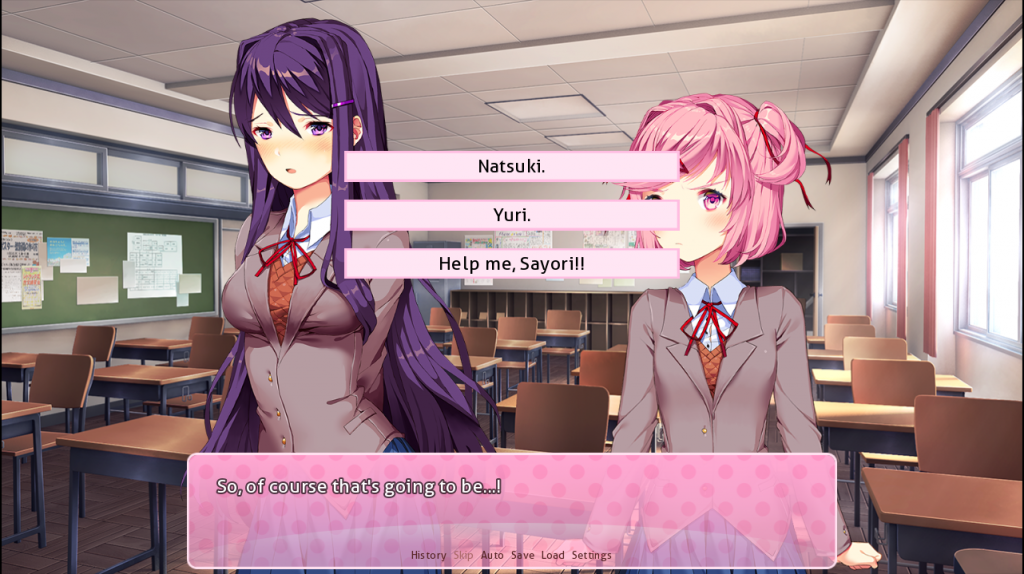
When you pick up a video game, you cast your shadow onto the world. Even if there isn’t any option apart from not playing, you still have the power to affect the game. You can’t kill the villain of a book early, but you can choose to kill every monster of a video game’s forest. Think about this reality. You interact with the story. You don’t observe, you do things. When you play a video game, take a moment to examine how wonderful that is.