By Andrea Sanchez Luna 08-25-26
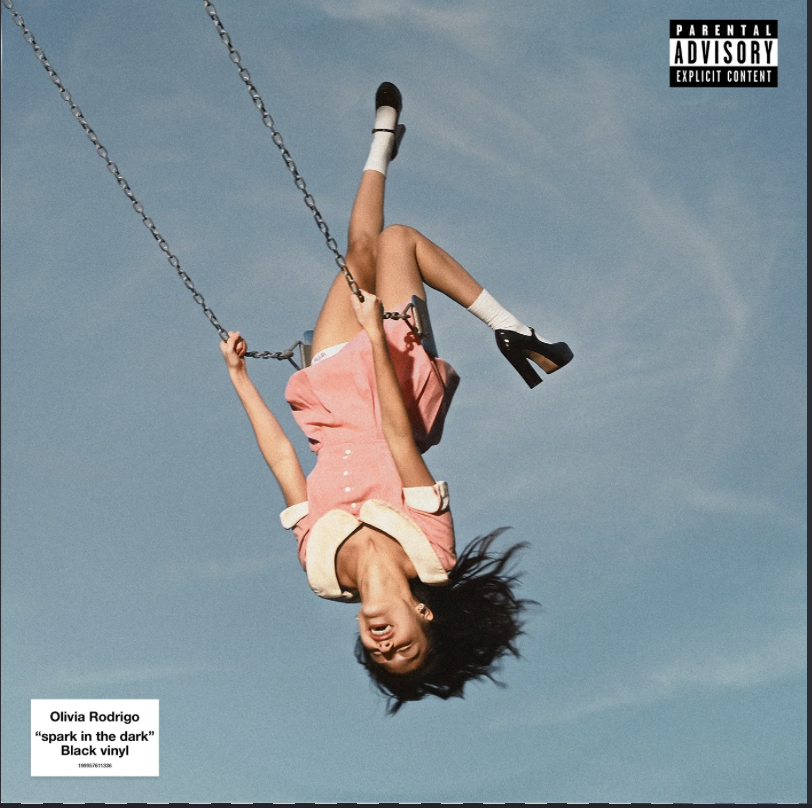
A recent album I’ve been listening to lately is Olivia Rodrgo’s new album ‘You seem pretty sad for a girl so in love’. There seems to be an array of directions each of her songs go to yet they remain under a similar umbrella of romance and heartbreak. Along with the music itself, the album art is pretty “romantic” in a sense as she (Olivia) is on a swing upside down with a smile in a pink collared dress with a blue sky behind her. Something that both the music and the album cover art is that is very reminiscent of the Rococo era of art.
Subject Matter of of her album and of the Rococo Period
I say this because I think given the subject matter of her music which is kind of heavy as some rococo paintings were with their more melancholic subject matter and even the context in which the rococo period was happening with the uprise in the french revolution and enlightenment yet the colors and detailing of the pieces were very “light” and “fluffy” and depicted almost the opposite through lavish clothing, backgrounds, vegetation, etc.
Rococo: a Western style of architecture, art, and decoration that emerged in France in the 1730s as a reaction against the Louis XIV style
Wikipedia
This kind of distinct difference in the subject matter in her music vs the sound represents that through her softer and lighter vocals yet a lot of music deals with finding better for herself after her experience with falling hard in love but then breaking up as she finds out the man she thought her partner was, was completely different than what she thought he was.
But my head is full of poison
Olivia Rodrigo lyrics to “The cure”
And my heart is full of doubt
I got toxins in my bloodstream
You tried hard to suck ’em out
And it feels like medication
And it’s good for me, I’m sure
But it don’t matter how your love feels anymore
It’ll never be the cure
It’ll never be the cure
Album cover and art similarities and differences
In the aspect of her cover art, it’s very reminiscent of one of the most famous rococo era paintings by Jean-Honoré Fragonard named “the swing”. It depicts similar details, namely both the woman in the painting and Olivia are swinging on a swing.
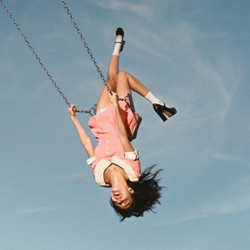
To get further into detail, the painting has many different details about it as that was a common aspect of rococo art but some of the big things that pointed themselves out to me was the expression on the girls face, it’s definitely a face of joy and her body language along with the expression is very free as one leg is up which in turn lifts her dress along with it.
These kinds of details can also be seen in Olivia’s album cover but ever so slightly differently as Olivia is upside down but if you turn it around it looks almost as though she’s doing a very similar thing as the woman in the painting.
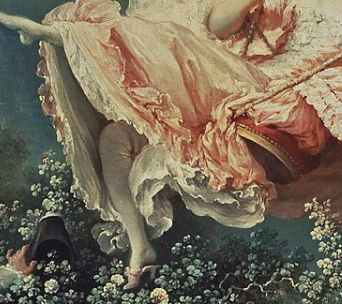
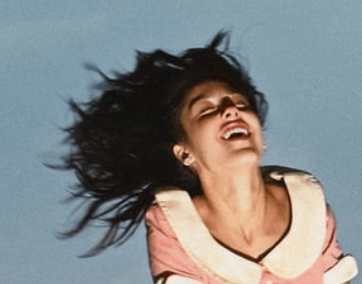
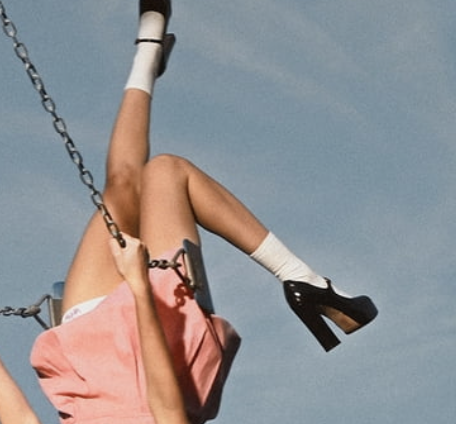
Through different kinds of dresses, both the woman and Olivia are wearing pink dresses with white details and white ruffles beneath them that are being lifted as they lift one of their legs with joy as they swing.
Reclaimed Sexuality
Another thing that can be seen if you really analyze both the album and the painting, both really play with the idea of reclaimed sexuality!
This can be seen as I’ve mentioned before in the leg kick in both pieces. Both show a little bit more leg than expected and it’s almost sexual in a way. Obviously it doesn’t seem in “The Swing” that much leg is showing but during the time it was created, it was probably quite scandalous and rare to see that much of a “gentle woman’s” legs.
Clearest among these is the swinging woman’s raised left leg, which lifts the hem of her skirt to reveal her curved right calf clad with a white stocking and pink garter. This flirtatious act signals her rejection of the traditional constraints of female modesty.
Dr. Ashely Bruckbauer on Kahn Academy
Olivia Rodrigo’s overall musical aesthetic has always been a girl going against societal norms and this album is no different as she is seen swinging which is deemed as a typical girlish thing to do but the way her skirt lifts up higher than expected, showing a lot of leg suggests not girlish behavior but more seductive and sexual behavior that she is doing for herself and herself only.
What do you guys think about the album? Do you see any similarities between the album and the Rococo period? Shoot us a comment down below and let us know your opinions!
Leave a Reply