Have you found yourself wearing an absurd amount of eyeshadow lately? Or perhaps been scheming more than usual? These may be signs the path of queer villainy is for you!
Just what is a queer-coded villain?
A queer-coded villain is a villain in media that is assigned stereotypical “queer” traits, such as men wearing makeup, acting flamboyantly, or deviating from the hetero-typical norm. Their evilness and queerness are always intrinsic. Also, it is important to mention their queerness is never confirmed, just very obviously hinted at (don’t worry, I’ll delve into why in just a second).
So how do I become one?
Fear not! Below are some quick and easy steps on how to achieve this.
Step #1: Be an antagonistic character during Hollywood’s Hays Code (be queer, but not actually queer)
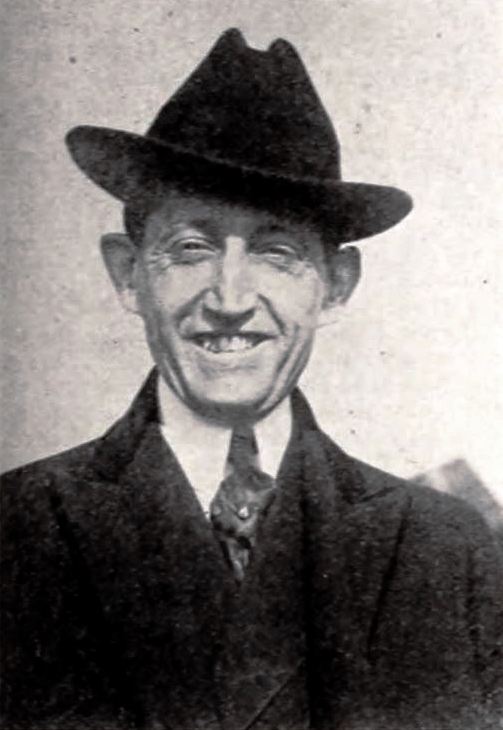
When films became popular in the 1920s and 30s, the US government decided that some content needed to be censored. This led to the official establishment of the Hays Code in 1934–though most major film companies had already adopted it in 1930. This law was super problematic for tons of reasons: it banned the portrayal of interracial relationships on film, disrespect toward religion (aka Christianity), and sexual/passionate scenes in general. This last part not only meant we’d have basically a 40-year period of lukewarm romance scenes, but also–and more importantly–LGBTQ+ characters were not allowed to exist in television shows and movies. The result? Queer-coded characters that were queer in everything except title.
How this impacted positive and negative representation
While positive, necessary representation of LGBTQ+ characters was hindered, negative representation was relatively unaffected. Even though a villain wasn’t officially stated as homosexual, they could still embody negative gay stereotypes. Meanwhile, filmmakers looking to depict positive and respectful representation of queer individuals would have to “tone it down,” not ever being able to explicitly verify that their characters were LGBTQ+. This in turn diluted the already dismal amounts of good queer visibility in media, while negative representation was held to much lower standards for potential censorship.
It couldn’t have been that bad, right? It was. Long-term impacts of the Hays Code
The Hays Code was lifted in 1968. In the grand scheme of things, it didn’t last for that long, but it did, however, set the standard for the portrayal of queer characters in movies and TV shows. It’s important to remember that even if the Hays Code was officially removed legally, it still existed as a standard many companies adhered to. Also, since the Hays Code was enacted early on in the film industry, it contributed to the normalization of a lack of LGBTQ+ representation. Meaning, that when TV and filmmakers in the 1980s and ’90s tried to show something as simple as two women kissing, it caused an uproar.
Now that you know a bit about queer-coding, let’s move on to the other steps to becoming a queer-coded villain.
Step #2: Be owned by Disney
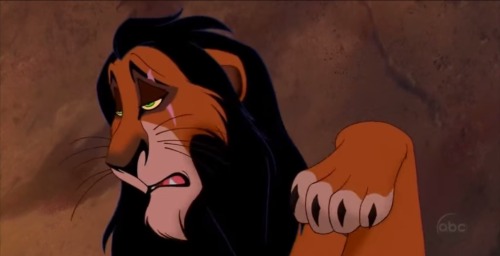
Especially in the 90s, Disney–one of the biggest entertainment companies in the world I might add–put out a lot of queer-coded villains. The list is incredibly long, including iconic antagonists such as Scar from “The Lion King”, Ursula from “The Little Mermaid”, that one dude no one remembers the name of from “Pocahontas”, Jafar from “Aladdin”, and Captain Hook from “Peter Pan” (who’s totally gay for Mr. Smee). While the absolute queerness of these characters wasn’t obvious to me as a pea-brained child, when I rewatch the classics I’m almost always surprised by just how gay the villains are (Scar has a limp paw??? Hello??).
Queer-coded men vs queer-coded women villains
An interesting thing I came across while researching this topic was that at first glance, there weren’t a lot of obviously queer-coded women villains in the same way there were men (besides Ursula). Then I realized tons of Disney villain women were queer-coded, they just embodied a different set of queer stereotypes than the men. While queer-coded men were the flamboyant gay man type, the women were often butch lesbian-esque with masculine traits or had ties to drag (I’m looking at you again, Ursula).
Some women villains with drag vibes or “over-the-top” gayness
- Yzma from “The Emperor’s New Groove” (2000)
- Ursula from “The Little Mermaid” (1989)
- Cruella De Vil from “101 Dalmations” (1961)
Women villains that are butch, masculine, or unconventional (in an impliedly queer way)
- Maleficent from “Sleeping Beauty” (1959)
- The Evil Queen from “Snow White” (1937)
- Queen of Hearts from “Alice in Wonderland” (1951)
Wait, if all of these Disney characters are queer-coded, isn’t that queer representation–and isn’t queer representation important?
Yes, positive queer representation is important (if you want to learn more about that, check out our article “Why is good representation important?”). While queer folk can get a kick out of watching queer-coded villains, that does not mean it is representation that helps the community. In fact, I’d say it’s detrimental. By having literally almost every Disney villain be queer-coded, the company is making the message that queer=evil. Adults obviously see this as a ridiculous concept (at least LGBTQ+ folk and allies, I can’t say the same for homophobes), but what about the target audience of Disney movies–young kids? Even if kids recognize the problem, the belief can still exist subconsciously, as they’re constantly consuming media that portray evil characters as queer. They’ll grow up, and we’ll have even more homophobes and transphobes to worry about.
Step #3: Adopt queer-coded traits and appearance: Be an outcast
A major theme of most queer-coded villains is that they’re constantly othered by society! Take Maleficent or Ursula for example–both being shunned by the established “good” society. For Maleficent, it’s Aurora’s kingdom, and for Ursula, Triton’s castle.
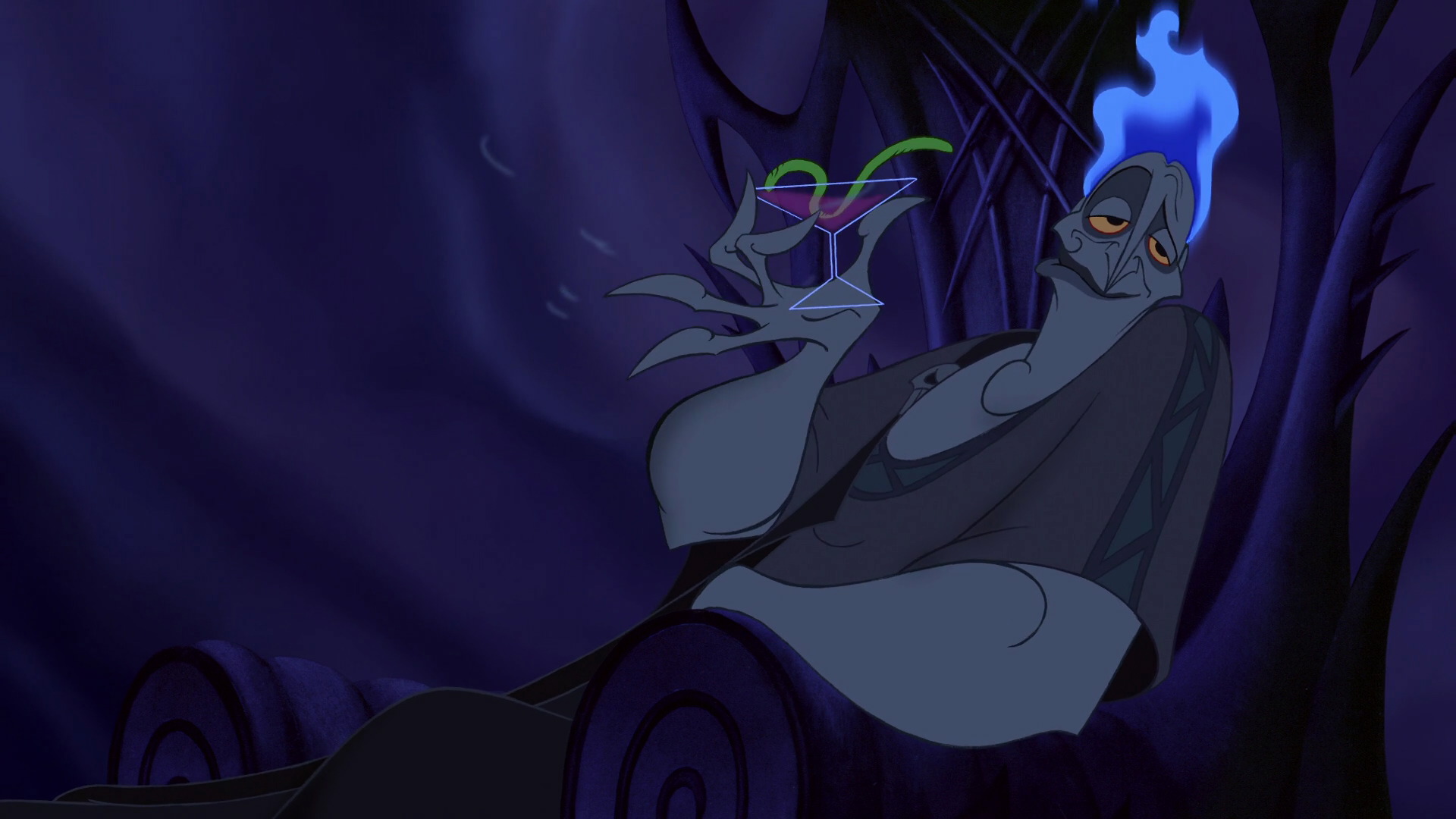
In addition, queer-coded villains also tend to physically look different, not meeting conventional beauty standards, or having “freakish” features or weird mannerisms. Take Hades from the Disney movie “Hercules”, for example. First off, he’s got flaming hair, which can literally be a reference to the term “flaming homosexual”, wears a long robe, and appears to be wearing makeup. Even his feminine use of language in comparison to Zeus, Hercules, and the other “good” men in Hercules indicates something queer about him.
Both of these factors tie into another important theme of queer-coded villains: their challenge of the status quo. If you are already a queer person, this part will be pretty easy, because your existence already challenges the heteronormative status quo! While this rebellion is disapproved of in their respective movies, many queer people agree that breaking a couple of rules is necessary for change–such as protests for queer liberation.
Conclusion
That’s it! That’s literally all you need to do to become a queer-coded villain. Surprisingly easy, right?
Wanna learn more? Check out these articles!
Disney’s Queer-Coded Villains
The Hays Code and LGBTQ+ Representation in TV and Film
The cover of this post is a screenshot of Hades from Disney’s “Hercules” (1997) taken by Kelvin Childs on CBR
Comments