
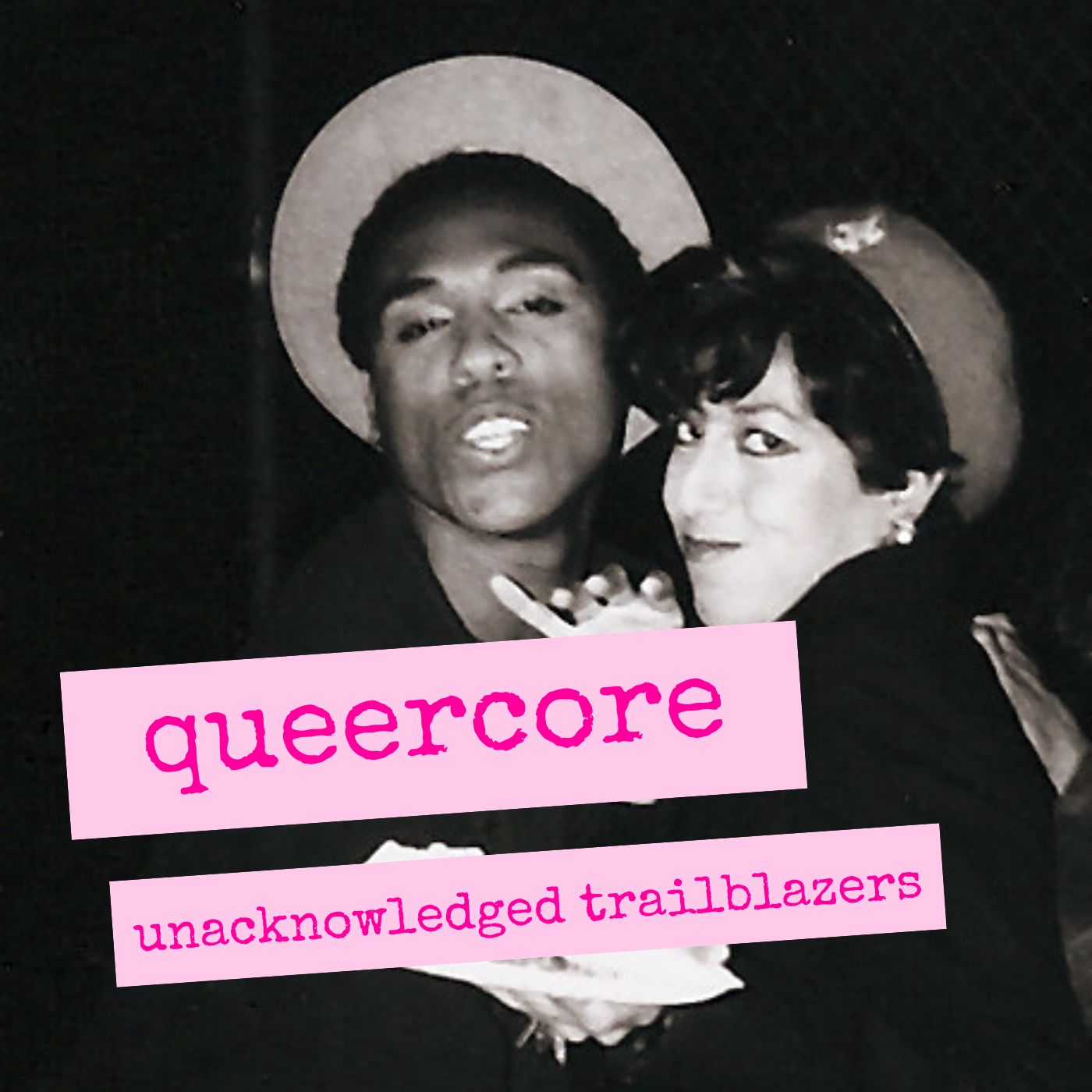
Cover photo of Vaginal Davis (a queercore icon) and Alice Bag, 1986, from Wikimedia Commons.
If you’re a queer person with some sort of music listening platform (Spotify, Apple Music, or even godforsaken Pandora) chances are at some point you’ve looked for queer music on it. For LGBTQ+ folk, it’s only natural–I know I love finding other queer people to relate to. This combined with my love of punk music drove me to discover Queercore and Riotgrrrl, two intriguing parts of feminist and queer history not often talked about. While I cherish both dearly, and they’re kind of connected, today I’ll only be doing a deep dive into Queercore. So sit back, pull out your artist recommendation list, and get ready to learn!
So…what is Queercore?
Queercore is a subculture of punk formed in the 1980s centered around LGBTQ+ artists, community, and activism. It is a designated safe space for queer punks to express their gender and sexuality, largely through zines, art, and music. Being a punk subculture, Queercore also holds the punk values of being anti-establishment and resistance–which align perfectly with queer activism movements.
History of Queercore
Despite the punk scene literally being centered around deviating from the social norm, homophobia, misogyny, racism, and transphobia were rampant in it. I mean, take a look at skinheads. Or punks’ historical treatment of women. Because of this, queer punks needed a space where they could exist and resist. So, they created queercore. Though queer punks have been making music since the beginning of punk, queercore didn’t gain traction until the mid-1980s and was popularized mostly due to increasing anti-LGBTQ+ sentiment and the AIDS epidemic.
The Founders
Two queer creators credited for creating queercore were G.B. Jones and Bruce LaBruce. In Toronto, Canada, in 1985, they created a zine called J.D.s. This queer punk zine coined the term ‘Homocore’, which then changed to ‘Queercore’ for inclusivity. In J.D.s, they envisioned they were involved in a queer punk movement in Toronto, using the zine to build an inclusive space they didn’t see in the world around them (which is actually really sad if you think about it). G.B. Jones, often referred to as the mother of Queercore then went on to make the band Fifth Column, a Queercore band that was also extremely influential to the Queercore movement. Bruce LaBruce was also in a Queercore band of his own called Zuzu’s Petals, and made queer films.
Queercore media forms
Zines
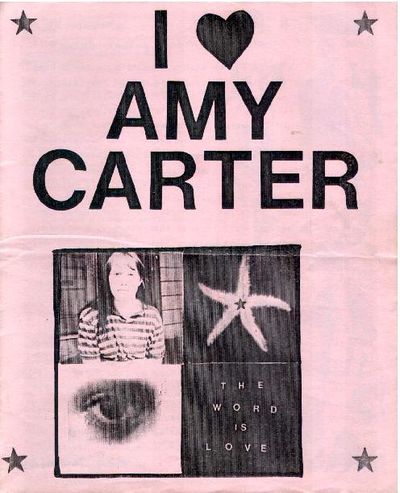
If you don’t know, zines are self-published print-works of art and text, known for their DIY feel. Being similar to pamphlets, they are made to be passed around small communities and are strictly non-commercial. Zines can be about anything and include just about anything. In addition, queer zines were used to discuss gender and sexuality through personal narrative, comics, artwork–the list goes on. Though allegedly the official pronunciation of zine is “zeen”, I don’t care, it’s “zine” like “dine”.
Image of the zine “I Heart Amy Carter” by Tammy Rae Carland. More info about the zine and Amy Carter here.
Music
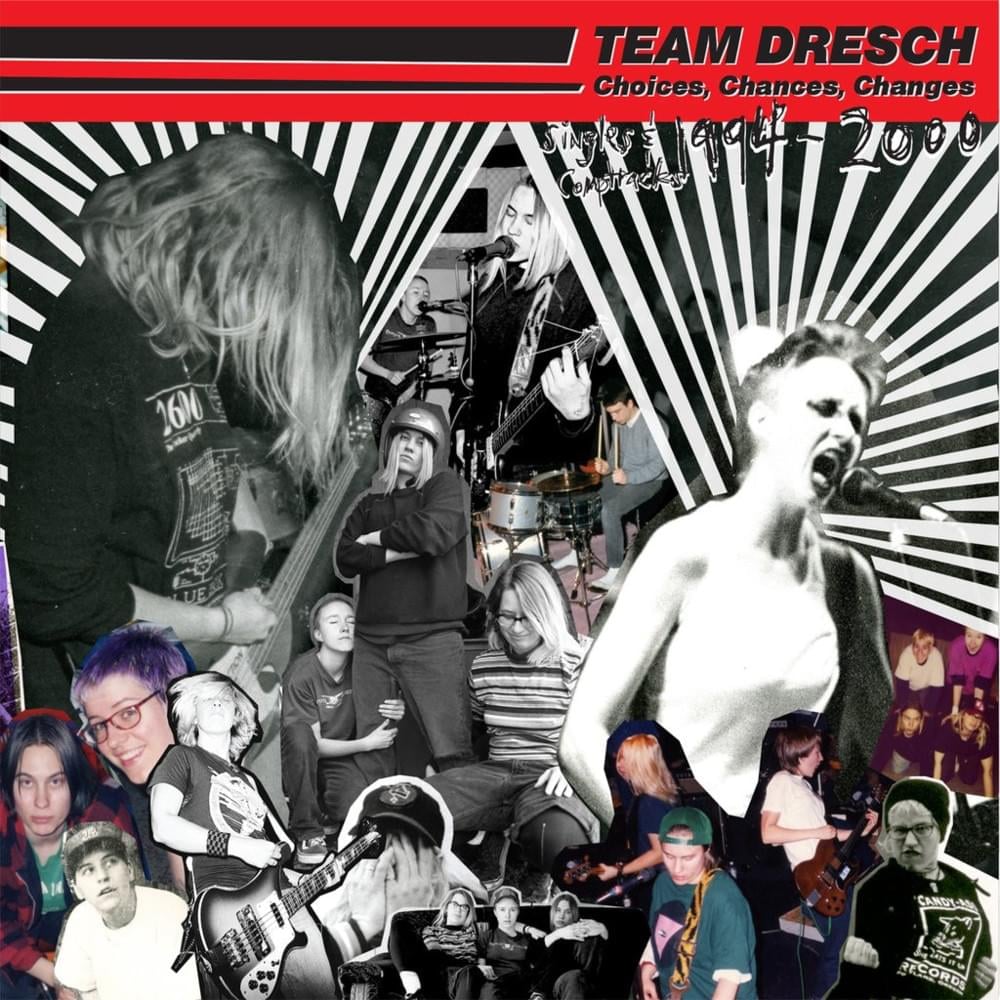
Like zines and other forms of queer media, Queercore music is very DIY. It often sounds the same way punk does: loud, aggressive, and fast-paced, but it can encompass many different genres like hardcore, indie rock, experimental, and more.
Cover of the Team Dresch album “Choices, Chances, and Changes”
Film
While music and zines were relatively popular in the Queercore scene, filmmaking was present, but definitely not as abundant. One of the only films I could find that directly related to it was “Queercore, How to Punk a Revolution,” which was released in 2017, and of course works created by Bruce LaBruce such as “No Skin Off My Ass”, “Super 81/2”, “Hustler White”, and more. That’s not to say Bruce LaBruce wasn’t putting out a lot of queer films–in fact, he released over 20–but it just indicates that queer filmmaking wasn’t as widespread as other forms of artwork. This has to do with a mix of filmmaking resources being hard to access at the time and the fact the Queercore movement wasn’t well-known.
Filmmaking icon Bruce LaBruce
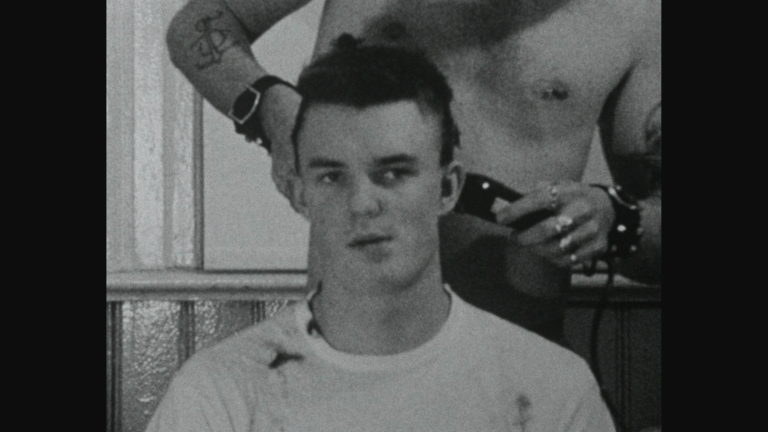
Bruce LaBruce’s films were unapologetically queer and were often regarded as scandalous. LaBruce was not afraid to have fun, exploring the queer experience and related themes alongside queer nudity and sexuality. In his debut film, “No Skin Off My Ass” (1991), LaBruce paints a gay love story between a lonely punk hairdresser and a skinhead (which is a wacky premise, but okay) in which after a bath scene and a visit to the skinhead’s filmmaking sister, they find out their feelings are requited, and they can then live out their gay fantasies. The plot of this film, which in a way is a queer fantasy (requited love and the ability to be with a lover), draws back to the zines Bruce LaBruce and G.B. Jones created where they created an idealized punk scene out of desire for one.
Due to homophobia and transphobia, a lot of Queercore films, music, and art at the time were based around wanting queer progress to be further than it was. While Queercore still brings up the world’s lack of progress today, in my interactions with the scene, modern Queercore doesn’t have as much yearning as it did back in the 1980s, ‘90s, and even 2000s. It’s still (typically) angry and drives for change, of course. Just now we have a little more rights, and it’s more socially acceptable to be queer, so there’s less of a need to fantasize about progress.
Bands
Below are a list of bands and band members that are involved in or contributed to queercore with their music. While there’s plenty more, the list would end up being way too long.
Pre-1990s
Since Queercore started in 1985, many bands before and during this time period weren’t specifically involved in it. That being said, I did find one that technically counts.
- Fifth Column (1981)
1990s-2000s
Some of the bands below are more relevent and important to the scene than others, but I thought I’d include a variety.
- Pansy Division (1991)
- Tribe 8 (1991)
- Team Dresch (1993)
- Limp Wrist (1998)
- Baby Guts (2005)
2010-Modern
- The Worriers (2011)
- The Hirs Collective (2011)
- She/her/hers (2011)
- Big Joanie (2013)
- G.L.O.S.S. (2014)
- Fea (2015)
- Dog Park Dissidents (2017)
Finding Queercore music
Usually, platforms like Spotify have pre-curated playlists made for everything–including queercore. Still, you should probably check out and research the bands yourself, because sometimes they put bands in the Queercore playlist that aren’t queer (Ex: ‘The Royal They’ was put in Spotify’s Queercore playlist, but as an avid listener to them they aren’t queer and never talk about it. Also, the name is probably referring to “the royal we,” not a person that uses they/them pronouns, unfortunately.) If you can’t find music you like on those playlists, you can always google lists of Queercore bands and check them out, or browse r/punk, r/riotgrrrl, or r/queercore on Reddit.
Zines
- “Jane and Frankie” (1990) by Jena von Brucker and Klaus von Brucker
- “Fertile LaToyah Jackson” (1982-1991) and “Shrimp” (early 1990s) by Vaginal Davis
- S.C.A.B. (1991) by Johny Noxzema (which stands for Society For The Complete Annihilation of Breeding)
- Fanorama (1992) by Richard E. Bump
Queercore today/post-Queercore
The Queercore spirit lives on through modern music, zines, and queer activists. A cool example of this is “Against Equality Press”, which is a publishing organization and online archive that’s been running since the ‘90s. They’ve involved themselves in politics over time, such as voicing their opinions on gay marriage and military service in 2010 and 2011, when both of those subjects were hot topics. As shown earlier, there are also plenty of queercore bands that produce music today. As long as there are queer punks fighting for their rights and creating media, queercore will continue to exist.